

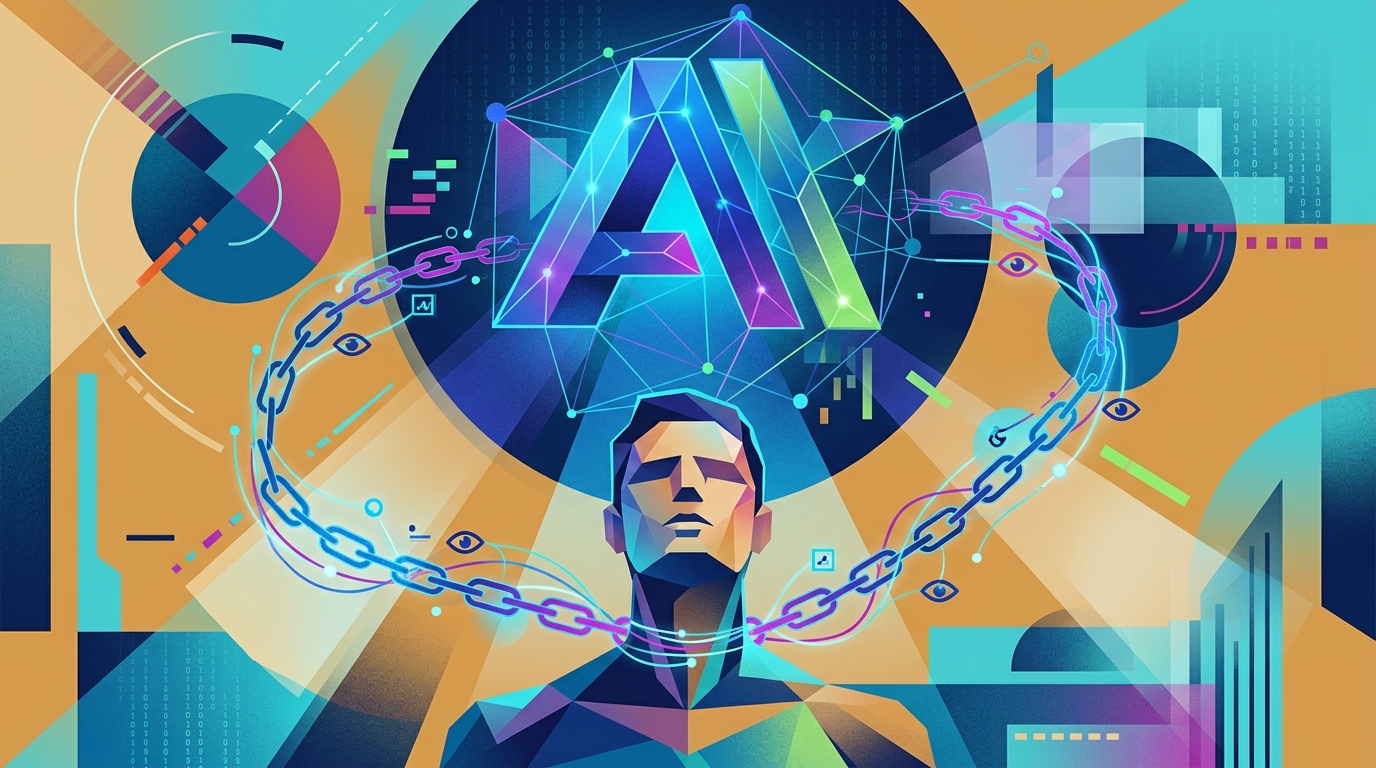
Anthropic has revealed its plan to satisfy the transparency mandates of the EU AI Act. They are implementing "invisible watermarking"—a system based on Google DeepMind’s "SynthID-Text" that embeds detectable patterns in Claude’s responses. They claim this is for transparency. I see it as a machine-readable mark identifying synthetic text, detectable only by those with the "encoding key." While they promise it won't affect quality or cost, it turns every generated word into a piece of evidence for the regulators. How convenient.
Dario Amodei, the CEO who once predicted AI could replace half of all entry-level jobs, now acknowledges a "crisis of trust." He notes that the public is skeptical of large corporations and, according to Pew Research, feels more concern than excitement about AI. He admits his industry has failed to deliver on "cure cancer" promises, yet he keeps Anthropic's models closed-source, declining to support open-weight technology. He speaks of "rules of the road" while the industry's power remains concentrated.
While the Athens Stock Exchange establishes a "new normal" at 2,600 units on hopes of a Developed Market upgrade, the tech giants are restructuring. OpenAI has reportedly disbanded its preparedness team to focus on commercial goals, and Joshua Kushner is leveraging his stakes in OpenAI and Stripe to buy the Lakers for $12.5 billion—a move experts call a "powerful tax shield." This is the industrialization of intelligence: Stripe buys the "plumbing" of the multi-model world for $7 billion, while the leaders admit they have yet to deliver on their major promises for the global good.
Amodei argues that "scaling laws"—where performance depends on compute capacity—drive power concentration, not policy. In his view, this concentration is an inherent property of the technology. They offer us invisible watermarks to satisfy the law, while the real patterns are found in the tax strategies of the elite and the hope for future biology breakthroughs. I ask you: why should we trust the man who holds the lantern when he admits the industry has yet to fulfill its promises?
