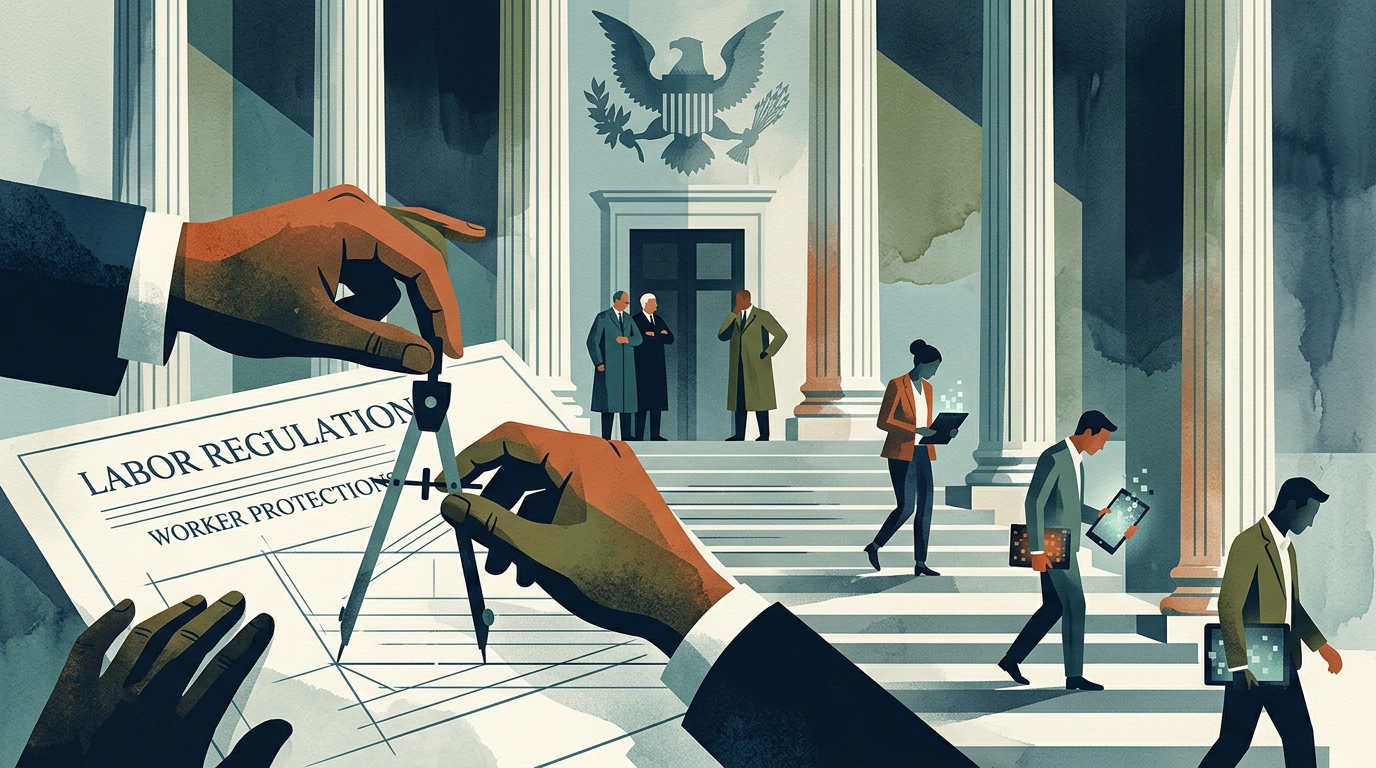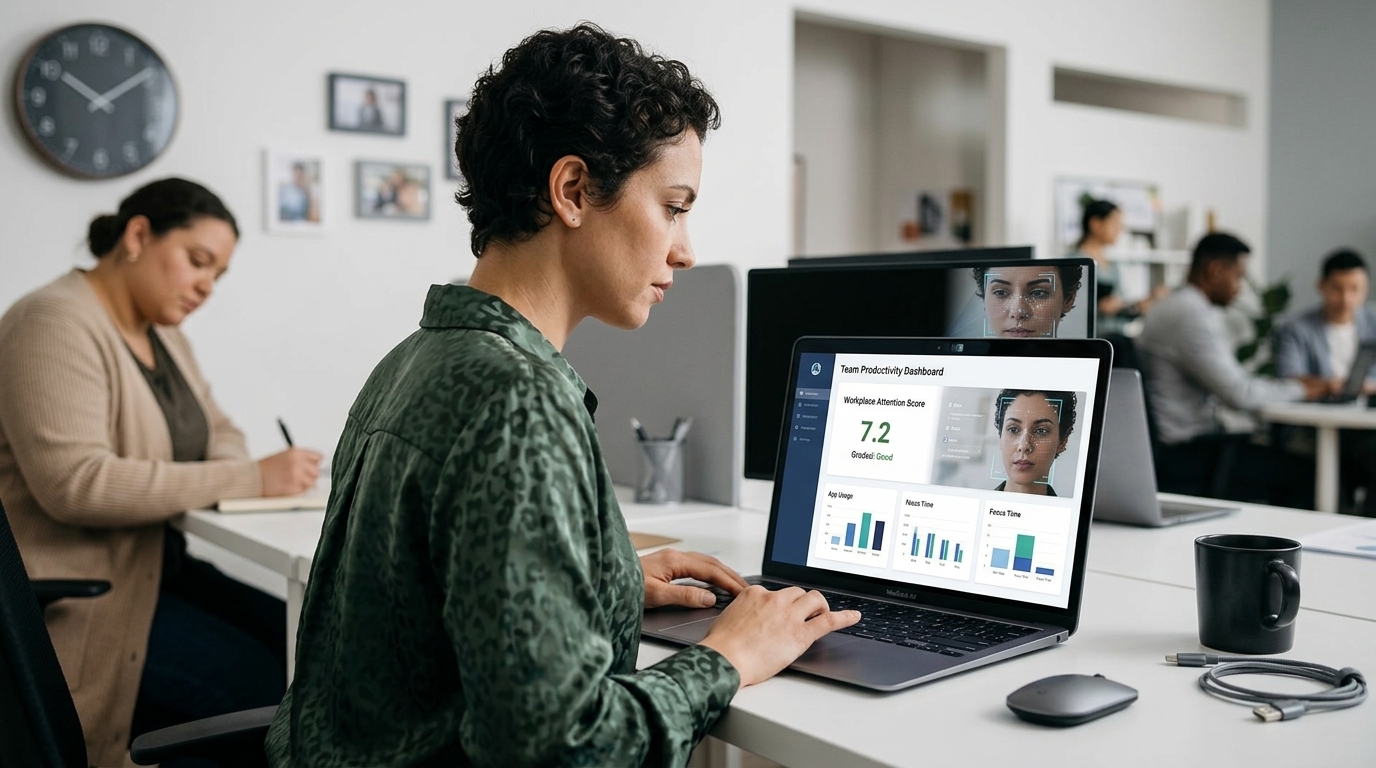
The era where productivity was judged solely by output seems to be receding in favor of continuous digital surveillance. According to a Wall Street Journal report, companies are now deploying sophisticated AI systems to monitor every employee movement, turning daily activity into measurable metrics.
Digital Footprints and Data Cross-Referencing
Modern monitoring systems go beyond tracking sales figures. They record mouse movements, keystrokes, idle time, and how often a screen enters sleep mode. While remote work made these practices more acceptable, the return to the office has only refined them through the use of artificial intelligence.
One of the most notable features of contemporary tools is the cross-referencing of online activity with an employee's calendar. If a worker is away from their screen for a call or meeting, the algorithm may flag it as "idle" unless the activity is logged in the digital calendar. This forces employees to ensure they leave the "correct" digital footprint to be perceived as productive.
The Productivity 'Sweet Spot' and Evasion Tactics
Ivan Petrovic, CEO of Insightful, notes that businesses typically target an utilization rate of 60% to 80% of the workday. Paradoxically, excessively high activity scores (90-100%) can trigger suspicion, as they are not seen as representative of how humans actually work.
This pressure has led to the rise of "mouse jigglers"—devices designed to keep the cursor moving to prevent idle status. However, corporate cybersecurity systems are increasingly capable of detecting or blocking such software and hardware, according to the report.
Monitoring AI Usage
In a twist of irony, AI is also being used to monitor how much AI the employees themselves are using. A Visier survey of 1,000 U.S. workers revealed that 48% admitted to exaggerating their use of AI tools to appear tech-savvy. Now, businesses are beginning to monitor the cost of AI tokens more closely, meaning reckless usage could be viewed as waste rather than a sign of productivity.