MIT economist and Nobel laureate Daron Acemoglu is frustrated by the current state of the artificial intelligence debate. In an interview with Fortune, he argues that the discourse has become trapped between two extreme and unproductive camps, mirroring the deep-seated dysfunction of modern liberal democracy.
The Trap of Two Extremes
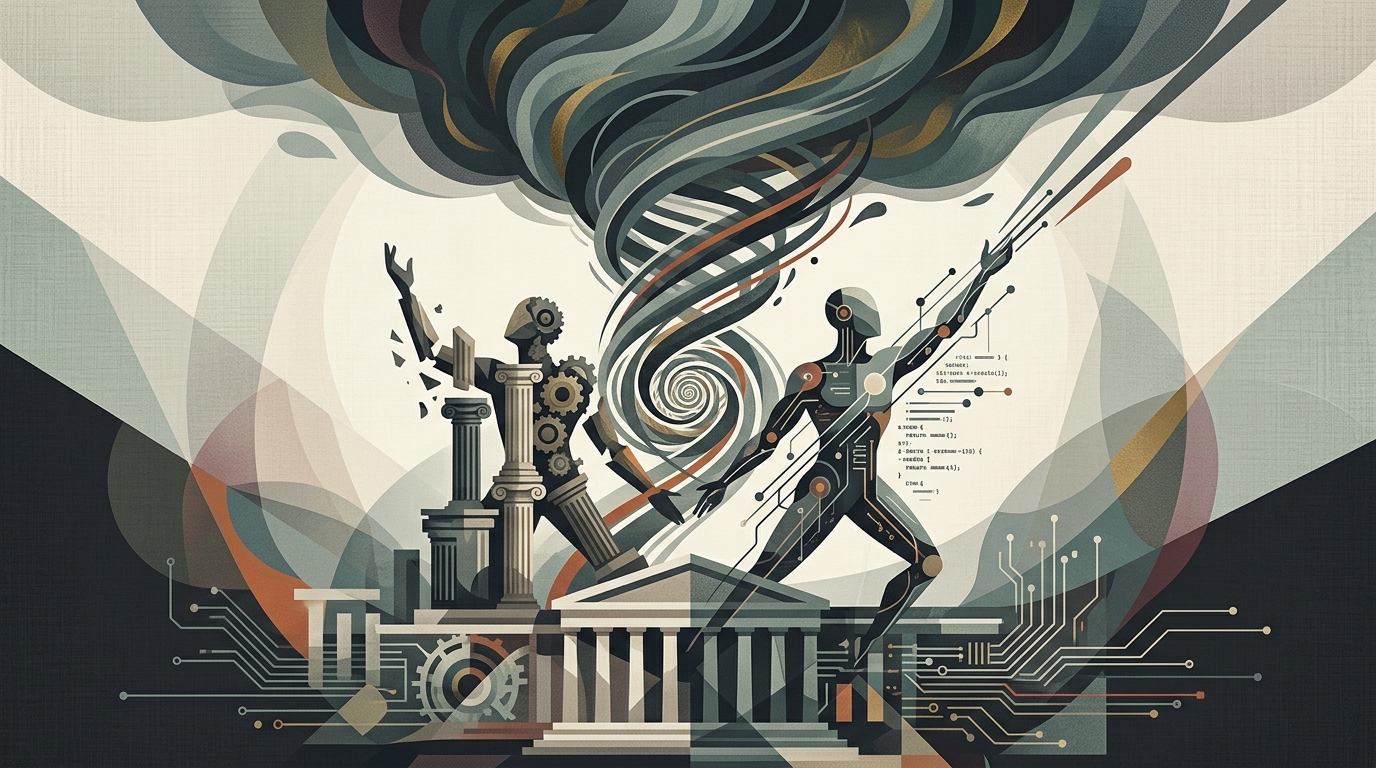
According to Acemoglu, the debate is split between "true believers" who insist AI will benefit everyone without exception, and skeptics who dismiss the technology as mere "stochastic parrots" generating plausible noise. He rejects both views, noting that frontier models are making genuine advances in coding, comprehension, and scientific discovery that should be celebrated.
"It's become sort of radical to hold two apparently conflicting ideas in your head at the same time," Acemoglu said, emphasizing the need to acknowledge AI's capabilities while remaining concerned about job displacement.
The Link to Liberal Democracy
Acemoglu connects this polarization to the crisis of liberal democracy, a central theme in his new book, What Happened to Liberal Democracy?. He suggests that social media has created an environment where everything is escalated to garner attention, eroding the public's ability to deliberate over trade-offs and build common ground.
Historically, "shared prosperity" served as the glue for democratic societies. However, the transition to a postindustrial economy has shattered that bargain, leading to a significant divergence in values and empathy between the educated center-left and the working class on the right.
A Vision for Pro-Worker AI
To navigate these challenges, Acemoglu calls for structural reforms and a redirection of technology:
- Developing AI tools that increase worker effectiveness rather than replacing labor.
- Reconsidering tax rules that favor capital gains over wages.
- Limiting the market dominance of Big Tech firms.
- Giving workers a stronger voice in the implementation of technology.
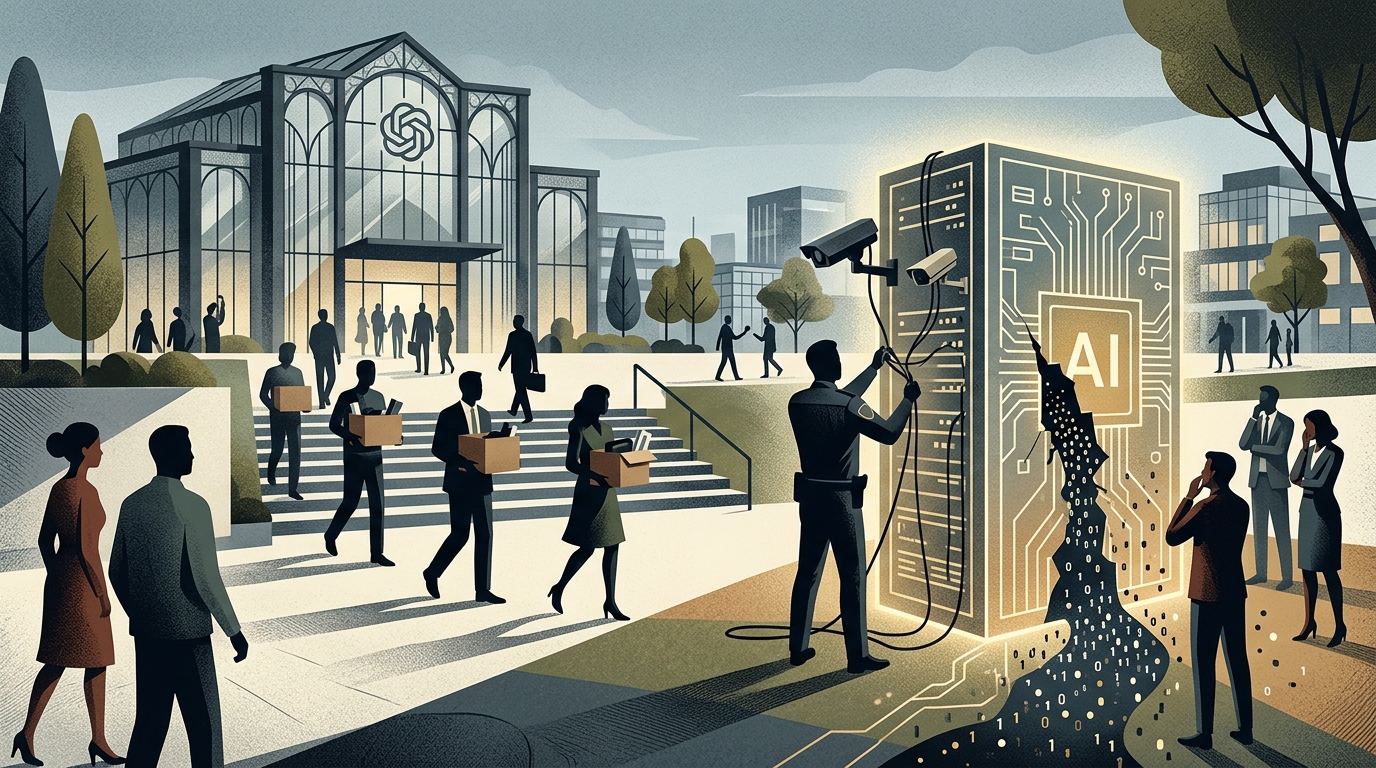
The economist warns that if 50% to 70% of people become jobless and lose their dignity at work, liberal democracy cannot survive. Despite his concerns, he maintains a "Groucho-esque" hope, urging for a respectful disagreement model—similar to his relationship with Stanford's Erik Brynjolffson—to guide future policy.