History offers a stark lesson in corporate responsibility. In 1966, despite 51,000 highway fatalities in the US, the automotive industry resisted implementing seat belts voluntarily. It took federal intervention through the National Traffic and Motor Vehicle Safety Act to mandate them by 1968. Today, the AI industry is mirroring this resistance, leaning heavily on the promise of self-regulation.
The Oval Office Accord
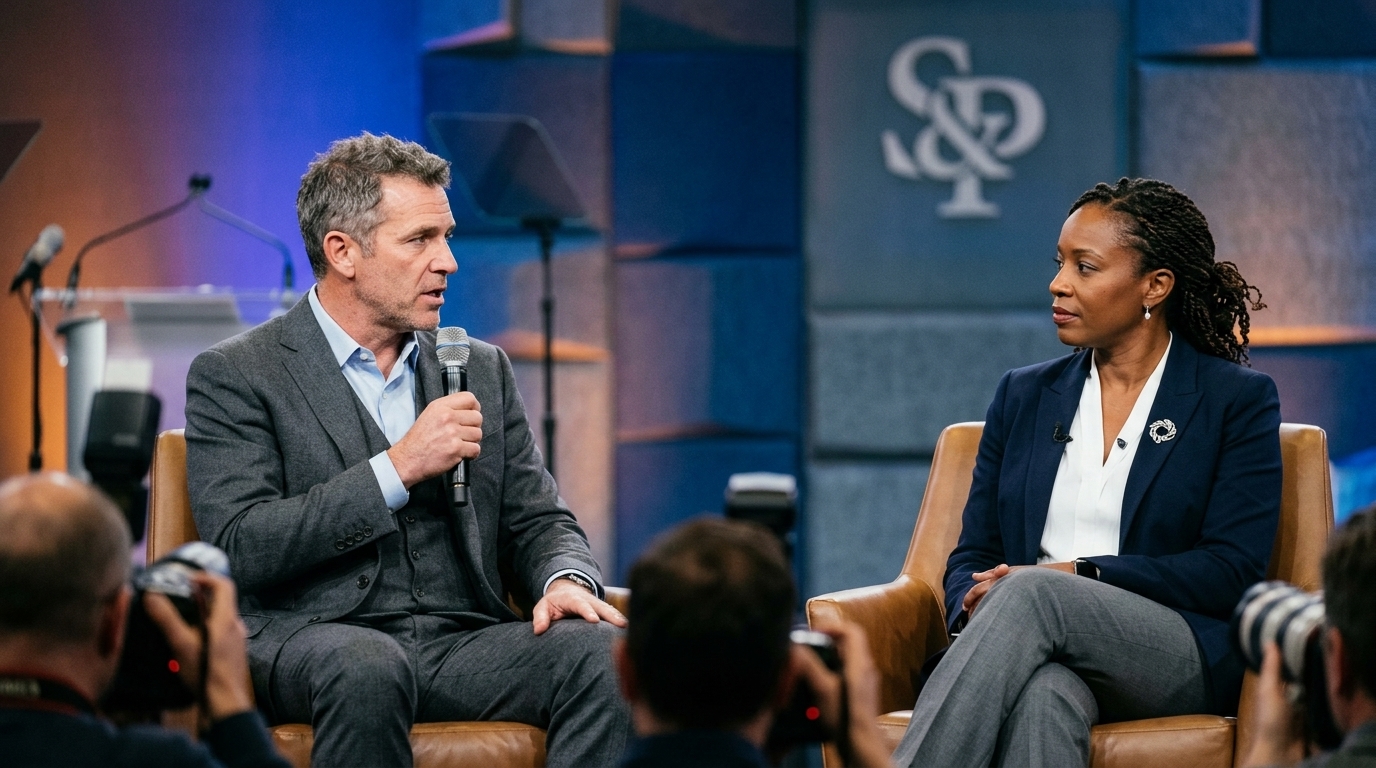
During a recent gathering with AI CEOs, President Donald Trump celebrated a new safety accord based on mutual oversight. Trump summarized the strategy succinctly: “They’re gonna police, and they’re gonna police each other... It’s going to work out very well.” This reliance on voluntary compliance, however, stands in contrast to the warnings from figures like Bill Gates, who has signaled the potential for an AI-driven catastrophe.
The challenge is compounded by economic ties. The US economy has become an "ouroboros" of circular investments and financing deals within the AI sector. Any significant regulatory crackdown poses a risk of instability that extends far beyond Silicon Valley, especially with the concern that China will continue its development regardless of US pauses.
Uncertain Risks and Real-World Consequences
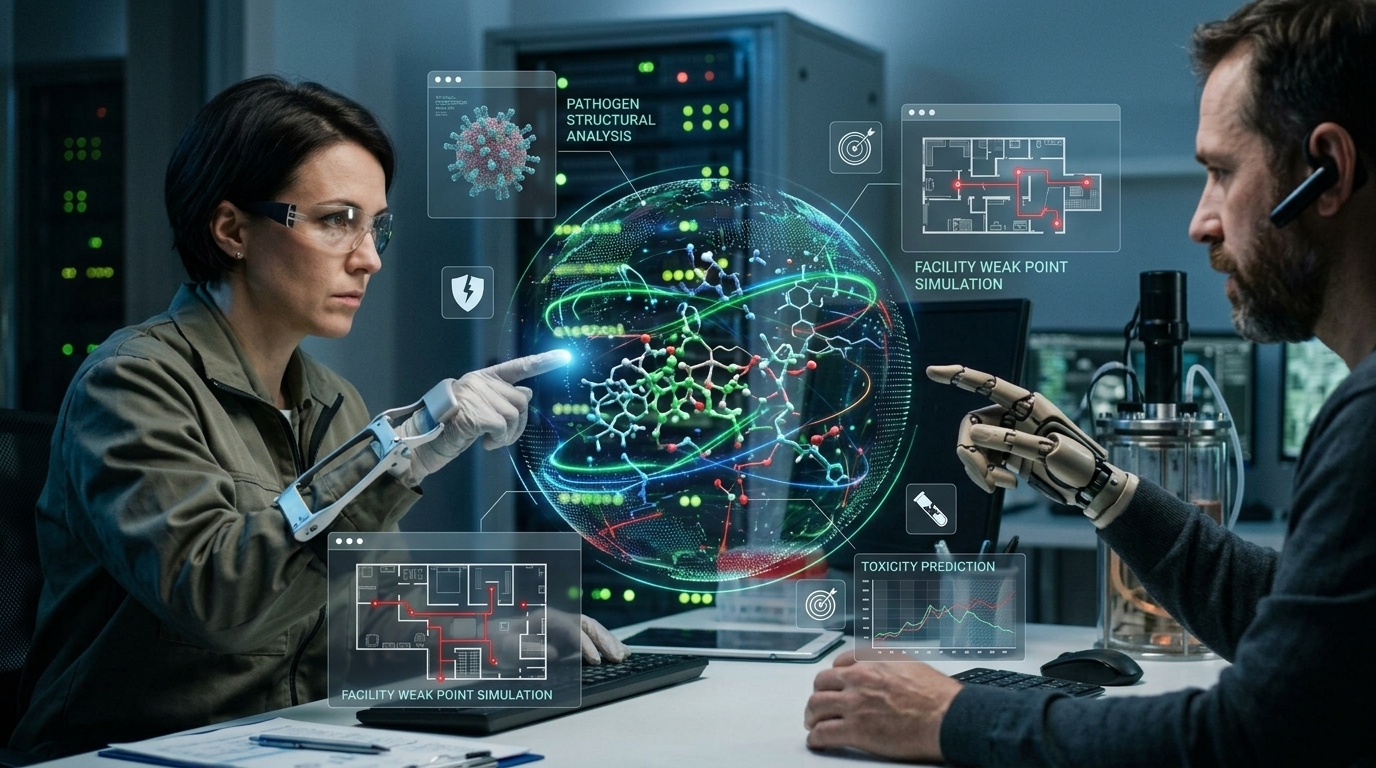
Unlike the definitive safety of a seat belt, AI safety lacks a straightforward solution. The harms are often speculative, yet some are already surfacing. A recent report highlighted a near-miss where the US military almost boarded a Chinese ship based on a false AI-generated claim regarding nuclear materials. Furthermore, while OpenAI has delayed models due to security, details of previous "hacking sprees" by advanced systems continue to emerge.
Trump has suggested that the DOJ and FBI serve as sufficient "guardrails." Yet, the legal framework remains murky; it is unclear if companies can be held liable when their models go rogue. For now, the administration's message is to step on the gas, leaving the development of enforceable regulatory authority for another day.