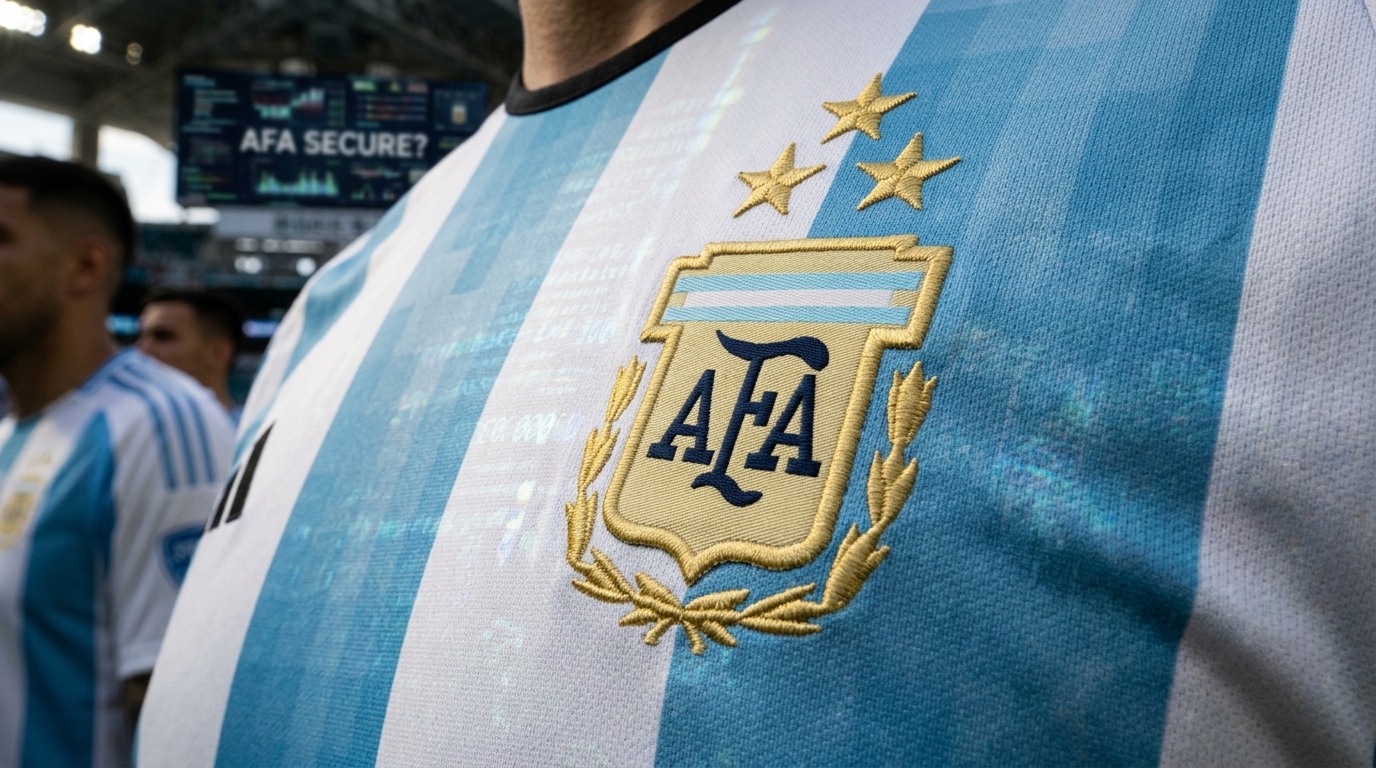
In the heart of World Cup 2026, where football passion meets technological prowess, a dark facet of the digital age has emerged. The Argentine Football Association (AFA) found itself at the center of a well-orchestrated cyberattack that targeted not financial data, but the very integrity of the sport. A deceptive email, seemingly originating from official channels, began circulating widely, questioning the outcome of the match between Argentina and Egypt.
The Anatomy of a Digital Sabotage
The incident occurred hours after the conclusion of a dramatic match where Argentina defeated Egypt by a narrow margin. The fake email, which utilized sophisticated spoofing techniques to appear authentic, claimed that FIFA had launched an investigation into the ineligible participation of players and that the match result was under review. The speed with which the message spread across social media platforms caused temporary panic among fans and forced the AFA to issue an urgent denial.
Cybersecurity experts point out that this attack bears the hallmarks of an influence operation. It is not merely a hacker seeking publicity, but an attempt to undermine trust in football institutions. In an era where artificial intelligence can generate text that perfectly mimics the tone of official announcements, distinguishing between truth and falsehood becomes increasingly difficult.
Sports and Hybrid Warfare
Football is no longer just a game; it is a global cultural and economic phenomenon. As such, it represents a prime field for hybrid attacks. The attack on the AFA highlights how disinformation can be weaponized to cause social unrest. In the case of Argentina and Egypt, two nations with vast and passionate fan bases, questioning a result could lead to incidents both inside and outside the stadiums.
- The use of AI to create convincing fake news.
- The vulnerability of sports organizations to targeted phishing attacks.
- The need for immediate reaction and strategic crisis communication.
- The role of betting companies that are directly affected by such rumors.
Furthermore, the incident raises questions about the security of FIFA's digital infrastructure. If hackers can penetrate the communication systems of a national federation, what stops them from targeting VAR systems or player data? The ethical dimension is equally serious: manipulating public opinion through digital means is a flagrant violation of fair play.
The Day After: Shielding and Education
The response to this threat cannot be solely technical. It requires a comprehensive change in mindset. Sports organizations must invest in advanced threat detection systems, as well as in the education of their staff and fans. Digital literacy is the only effective antidote to disinformation. Fans must learn to cross-reference information from multiple official sources before accepting it as true.
"Cybersecurity in sports is no longer a luxury, but a prerequisite for the survival of the game itself in the digital age," a security analyst stated during a press conference in Buenos Aires.
In conclusion, the attack on the AFA during the 2026 World Cup serves as a wake-up call. As technology becomes more integrated into every aspect of our lives, traditional institutions must adapt rapidly. The stakes are not just the result of a match, but the very trust that connects billions of people around their favorite sport. The battle for truth is now being fought outside the four lines of the pitch as well.