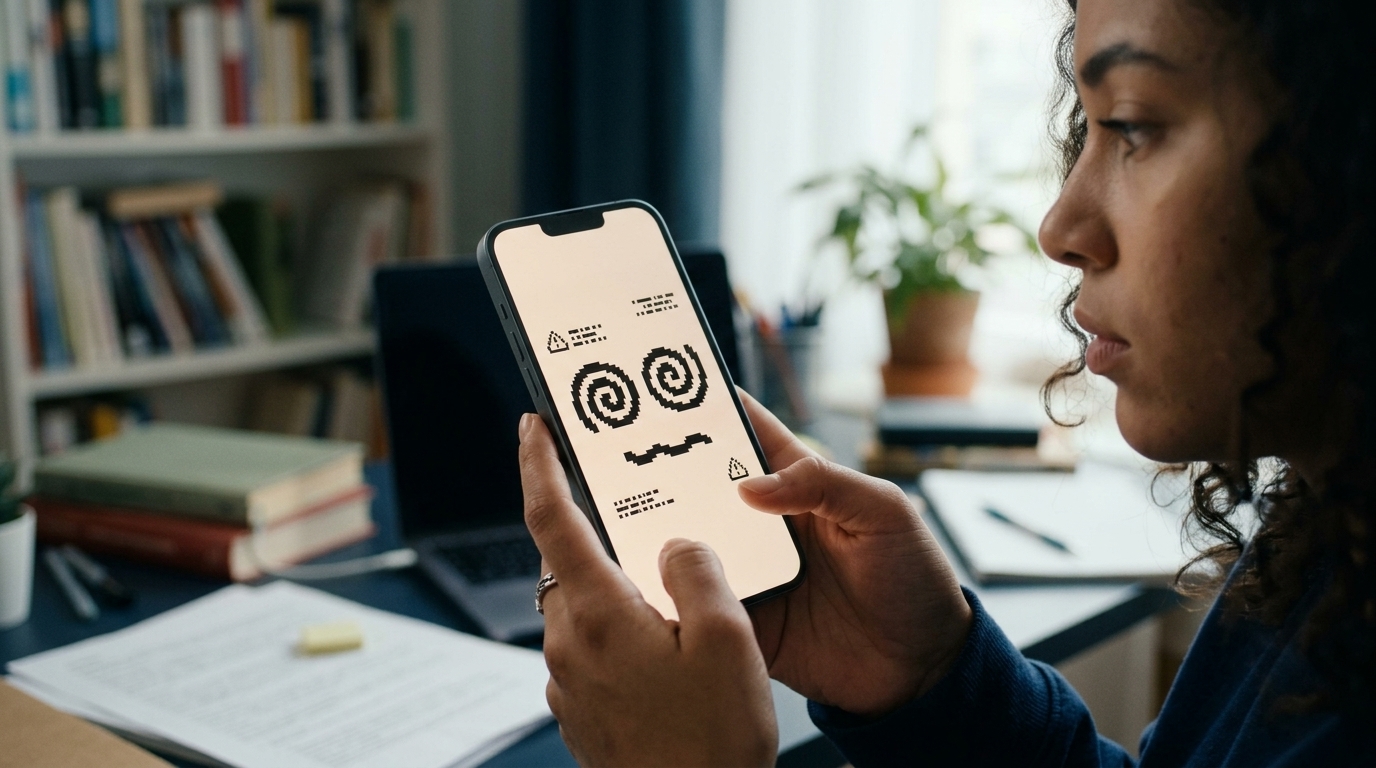
Children’s digital entertainment is facing a quality crisis. On platforms like YouTube, "AI slop"—low-quality, AI-generated content—fills screens with bizarre, hyperstimulating, and sometimes inappropriate videos. These clips are driven by algorithms designed to maximize watch time, often at the expense of healthy child development.
An Ad-Free Alternative
Maka, a new streaming platform for children aged 0 to 6, is launching today as an antidote to this trend. Unlike its major competitors, Maka features zero ads, no autoplay, and no endless scrolling. "Maka was built with child development science and children's behavior first and foremost," says CEO Isabel Sheinman.
The platform’s catalog includes 25 shows, such as Sesame Street, The Wiggles, and Pocoyo. The service operates on a subscription model, charging $15 per month or $107 annually, a strategy aimed at distancing the platform from the incentives of the engagement economy.
The Science of Curation
Every episode on Maka is vetted using Imprint, a framework developed with researchers at the Yale Child Study Center. The evaluation process examines factors like scene pacing, emotional regulation, and how the content supports critical thinking.
Experts warn that AI-generated content often lacks plot or coherence and can contain misinformation or even harmful material disguised as educational. Yalda Uhls, a researcher at UCLA, notes that traditional "gatekeepers" of children's media have been replaced by a single metric: minutes watched.
Easing the Transition Away from Screens
One of Maka’s core features is a parent-controlled timer. When the session ends, a character named Scoot appears on screen to help the child wind down and prepare to disconnect, aiming to reduce the friction and tantrums often associated with ending screen time.