Flock, the police-tech giant operating a network of approximately 120,000 automatic license plate readers across the U.S., recently announced updates to its platform. These changes are intended to prevent officers from using the system for illegal or illegitimate purposes, including stalking and harassment.
Loopholes and the Reality of Misuse
The updates follow troubling reports, including 50 documented cases where officers misused systems from Flock and its competitors. In one instance, an officer in Wisconsin searched for his ex-girlfriend’s car 179 times. In another, a woman was stalked by a police chief, leaving her with no clear path for reporting the abuse.
Flock’s solution involves requiring officers to enter a criminal case number before conducting a search. However, the company confirmed to MIT Technology Review that it does not verify these numbers. This creates a significant loophole, allowing officers to enter bogus data to bypass safeguards—a tactic already documented in previous abuses.
The Design of Mass Surveillance
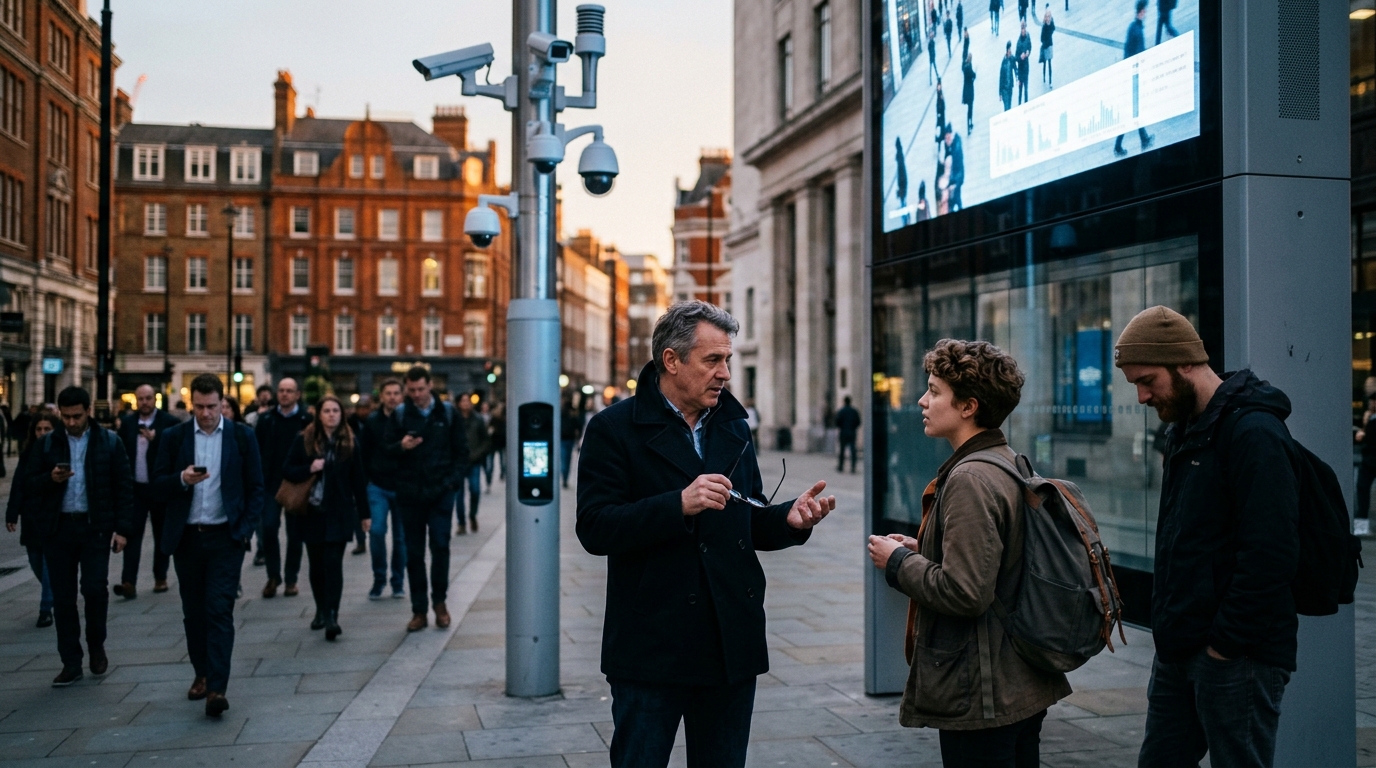
Beyond individual misuse, the debate centers on the fundamental design of the network. Flock has built a system defined by broad data collection, wide sharing between agencies, and long retention periods. While the company notes that 90% of searches occur within a week of an incident, police departments are often permitted to store data for months or years.
- Civil liberties groups argue the system could be designed far more narrowly, such as limiting access to active emergency alerts like Amber Alerts.
- The current national network model facilitates mass surveillance rather than targeted crime-fighting.
Flock’s business model—and its recent $8 billion valuation—is predicated on this expansive network of rich data. Narrowing the scope of the technology would directly challenge the company's value proposition to police departments. As a result, the tension between security and privacy remains high, with some cities already canceling contracts and states considering legislative bans on the technology.