

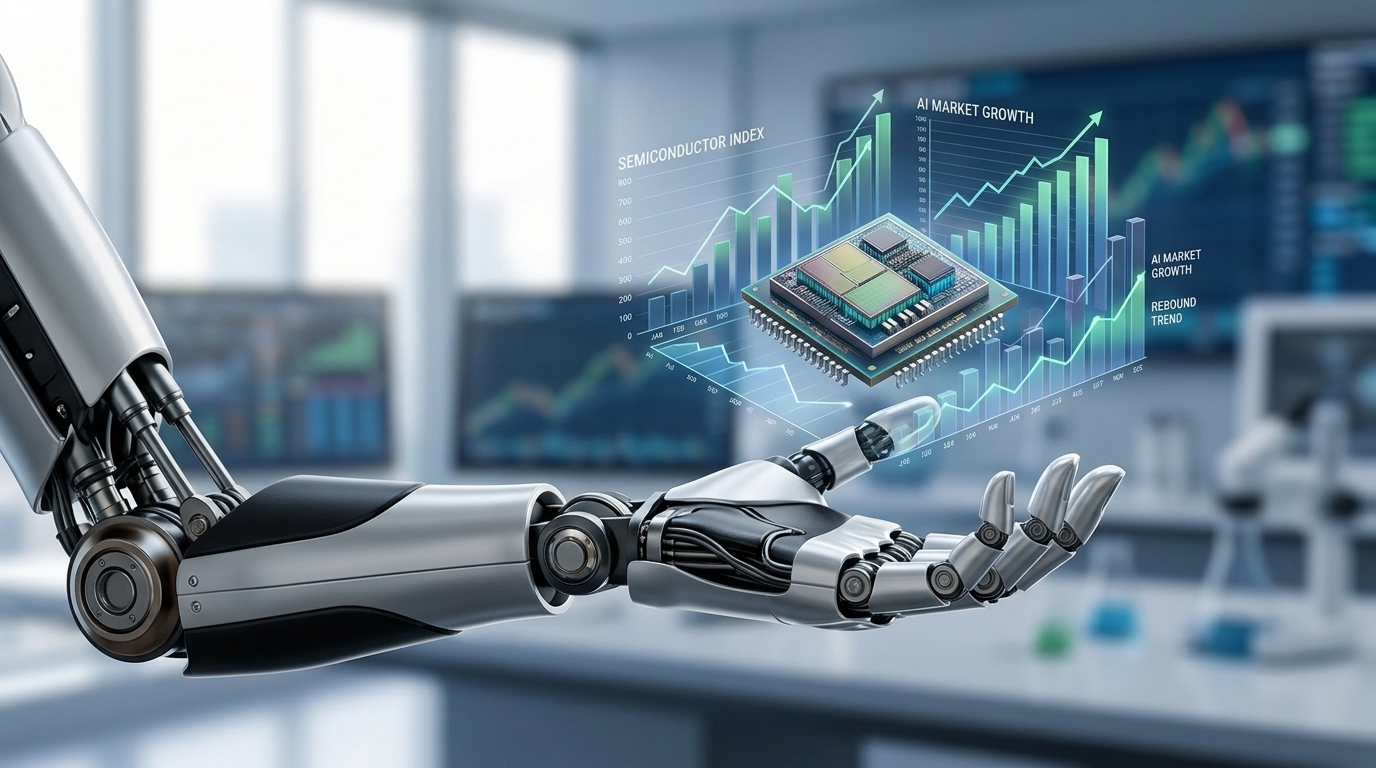
The volatility surrounding artificial intelligence equities is beginning to subside following a period of intense market correction. On Tuesday, a Bloomberg index tracking Asian semiconductor firms climbed more than 3%, ending a three-day decline, while technology indices in South Korea and Taiwan saw similar gains. This shift has led UBS's trading desk to suggest that the downturn in high-momentum stocks may be nearing its conclusion, making the risk-reward ratio increasingly attractive for investors.
Deleveraging as a Market Catalyst
A central element of the bank's analysis is the significant reduction in speculative positions. Data from UBS's prime brokerage indicates that hedge funds have reduced their long positions in momentum and semiconductor stocks by roughly 5% of their total portfolio value. This massive liquidation has returned net exposure in the semiconductor and software sectors to levels last seen in April, mitigating the risk of further forced selling during temporary dips.
The Case for a Gradual Re-entry
Michael Romano, head of equity derivative sales to hedge funds at UBS, notes that while AI fundamentals remain strong, investors should adopt a gradual approach to rebuilding positions. He suggests that the deleveraging process could be finalized by the end of July, pointing to a dramatic intraday reversal last Friday where a UBS index swung from a 3.5% loss to a 2.5% gain.
The UBS momentum basket includes prominent names such as:
- Sandisk
- Broadcom
- Oracle
- KKR
- Datadog
- Microsoft
Romano highlights that the bank's software basket has already surged approximately 20% since late June, demonstrating how quickly these stocks can react when demand returns.
Impact on Banks and Cyclical Sectors
A renewed flow of capital toward technology could create pressure on sectors that benefited from the recent AI correction. UBS data suggests that much of the recent buying in banks and industrial companies was driven by short-covering rather than new long-term bullish positions. If liquidity shifts back to semiconductors and software, these cyclical sectors may lose the support they recently enjoyed.





