Abandoning the bolivar in favor of the U.S. dollar would represent the world's most significant currency transition since the introduction of the euro, according to Steve Hanke. The Johns Hopkins University professor, widely known as the “Money Doctor,” has been appointed as a special advisor to Venezuela’s National Assembly.
A Prescription for Stability
With Venezuela facing a staggering 400% inflation rate, Hanke argues that full dollarization is the only viable solution. This plan involves dismantling the central bank to prevent the government from printing money to fund its deficits—a primary driver of hyperinflation.
“Taming inflation is the key to restoring stability in Venezuela, and all the other progress flows from that,” Hanke explained. “Stability isn’t everything, but without stability, which means stable prices, you have nothing.”
Hanke’s track record includes advising on currency switches in Montenegro, Ecuador, and Zimbabwe. He currently estimates the odds of official dollarization being approved in Venezuela at 50% to 80%.
Market Realities and Spontaneous Dollarization
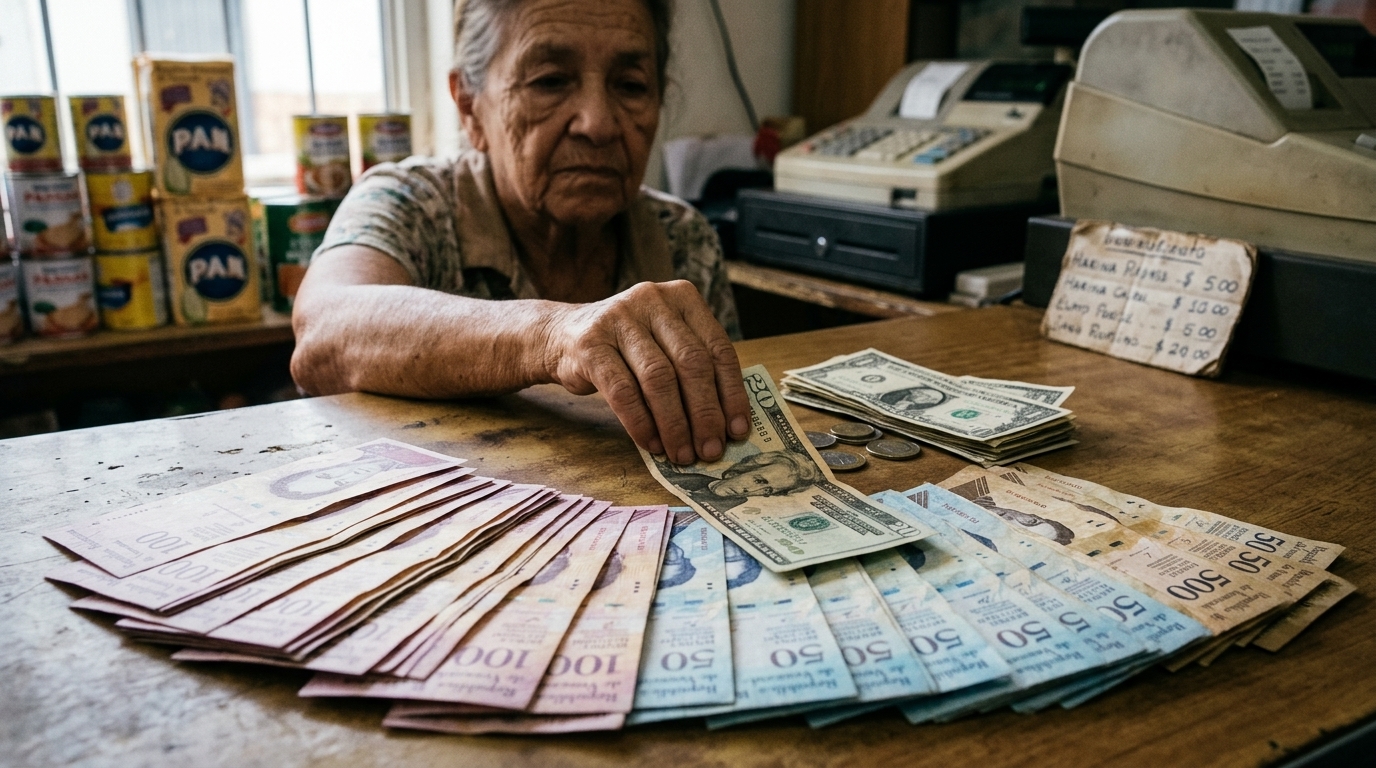
In many ways, the Venezuelan economy has already moved toward the greenback. The bolivar has plummeted 78% against the dollar over the past year, leading most citizens—except for those on government payrolls or pensions—to use dollars for daily transactions. Hanke refers to this trend as “spontaneous dollarization,” which he believes increases the likelihood of a formal policy shift.
However, significant hurdles remain. The loss of a central bank as a lender of last resort and the surrender of monetary sovereignty to the U.S. Federal Reserve are daunting prospects. Even Argentine President Javier Milei, who campaigned on a platform of dollarization, backed away from the idea after taking office.
Economic Outlook
Despite the risks, Hanke predicts that dollarization would unlock Venezuela’s oil-dependent economy by attracting a surge of foreign investment. He suggests that increased production would provide the necessary funds to service the nation’s $250 billion debt, while lower interest rates would stimulate housing and domestic business growth.