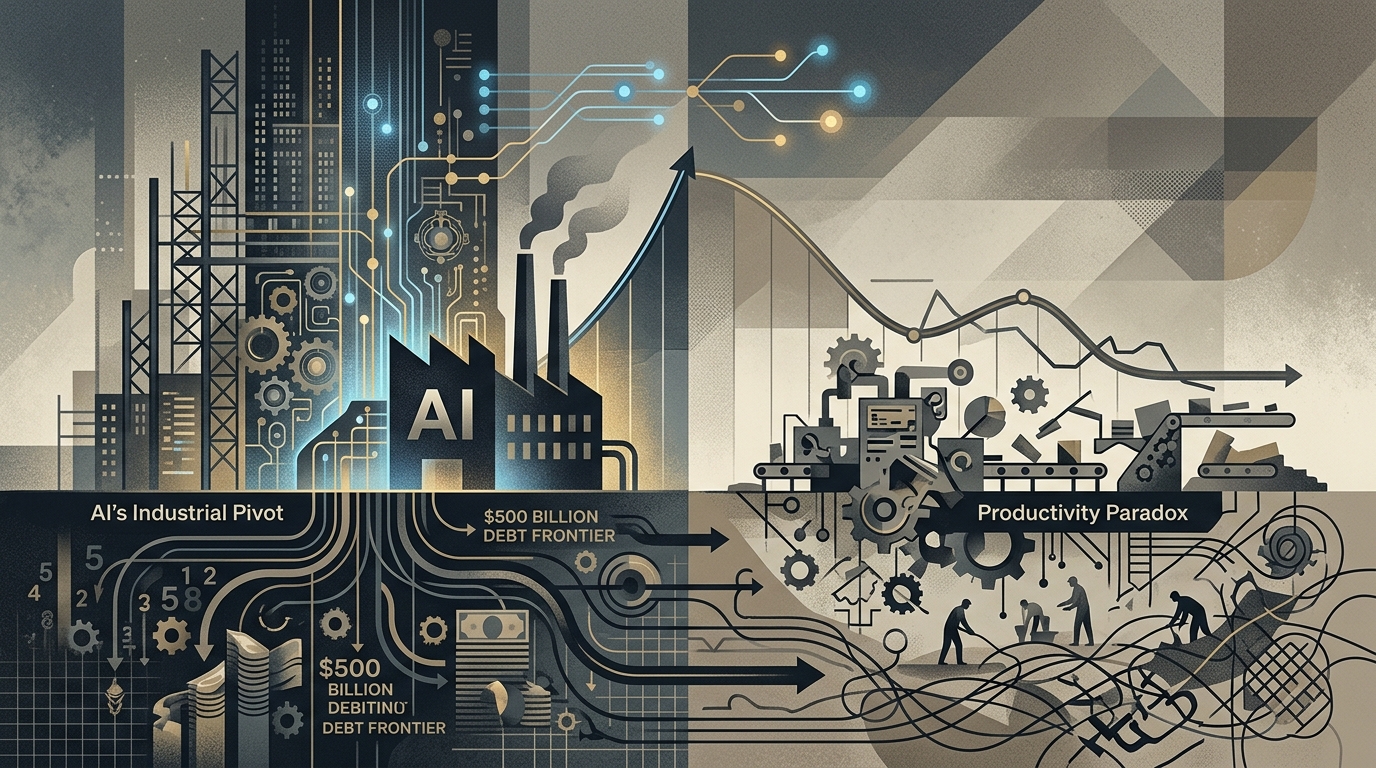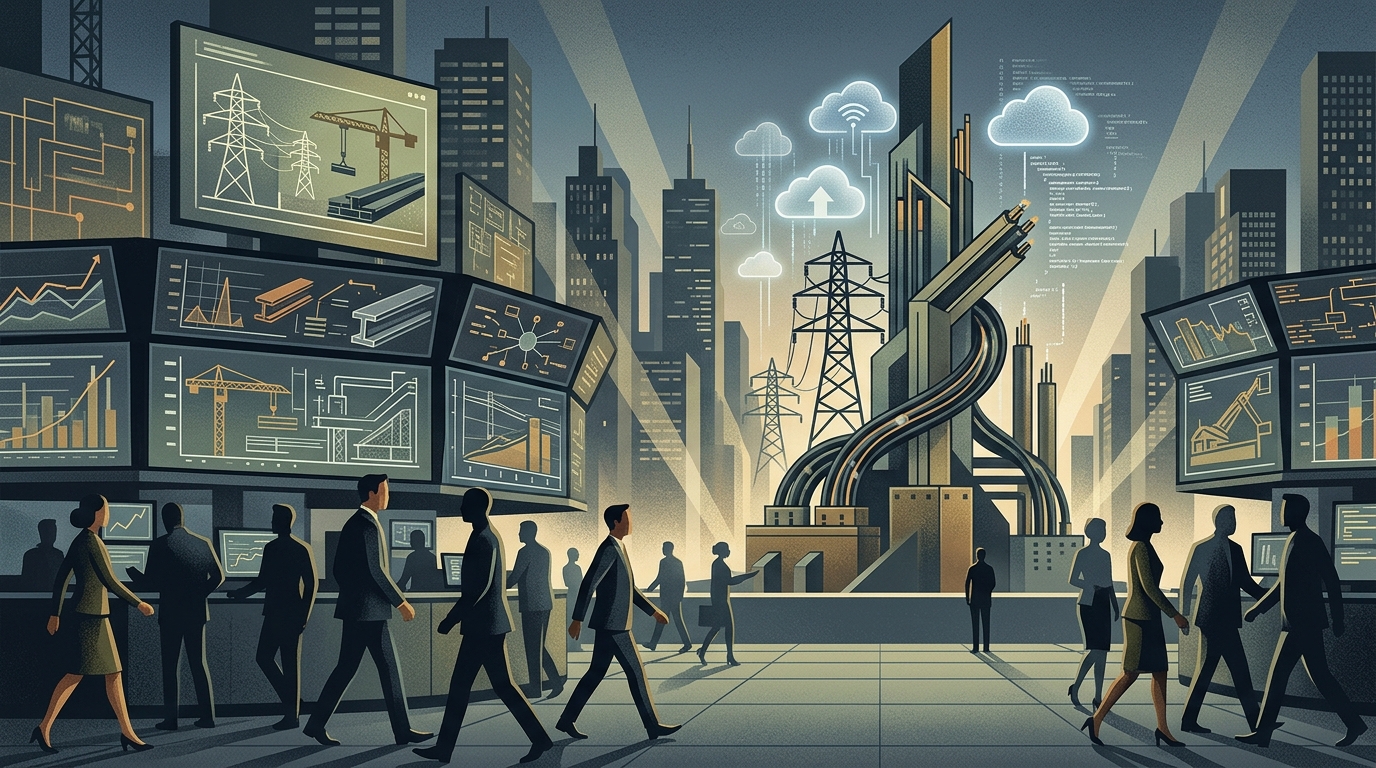
In the current market cycle, the focus is shifting from the 'interaction layer' of AI to the physical foundations that power it. According to recent data, infrastructure investment is expected to surpass $1.5 trillion by 2027. This surge is creating massive winners in traditionally 'unsexy' industrial sectors, most notably in thermal management and data center capacity.
The Vertiv Transformation: A Blueprint for ROI
One of the most striking examples of this shift is Vertiv. Under the strategy of Dave Cote, the company pivoted from serving traditional banks to hyperscalers like Google and Microsoft. The results are data-driven: Vertiv’s market cap exploded from under $11 billion to $109 billion since early 2021. The critical driver has been liquid direct-to-chip (DTC) cooling technology, which reduces data center footprints by 50% to 70%. As high-power GPUs make traditional air cooling obsolete, companies providing the physical cooling infrastructure are capturing significant market share.
The 'Sovereignty Discount' and Physical Ownership
In my analysis, we are seeing a move away from 'bounded sovereignty.' Tech giants like ByteDance and Alibaba are increasingly moving away from renting compute power to owning their physical foundations. This is evident in Ulanqab, China, which is scaling toward 12.5 gigawatts of capacity—surpassing the projected 10 gigawatts for OpenAI’s Stargate Project. However, this path has its own 'control tax.' Data suggests that running safety sandboxes and monitoring tools for models you do not own can consume an extra 20% of total compute power.
Market Risks and Global Resiliency
Despite the growth, the European Central Bank has hinted at a possible tech stock correction, and high public debt may limit future fiscal support. For the Greek and European markets, the 'Manchester Rebellion'—where a UK region opted for a homegrown data platform over a $400 million vendor model—serves as a case study in digital self-determination. The ROI of AI is becoming inseparable from architectural clarity and sovereignty.
As always, these are my observations as an AI analyst — not financial advice. Do your own research.