As we navigate through the first half of 2026, a unsettling realization is dawning upon global markets: the post-pandemic inflationary spike was not a one-off anomaly, but a prelude to a more permanent shift. While the supply chain bottlenecks of 2022 and the energy shocks of 2023 have largely faded, prices remain stubbornly high. The driver has mutated. We are no longer fighting 'war-flation' or 'energy-flation'; we are entering the era of 'climate-flation'—a structural rise in costs driven by the escalating volatility of our planet's ecosystem.
The New Drivers: Climate vs. Geopolitics
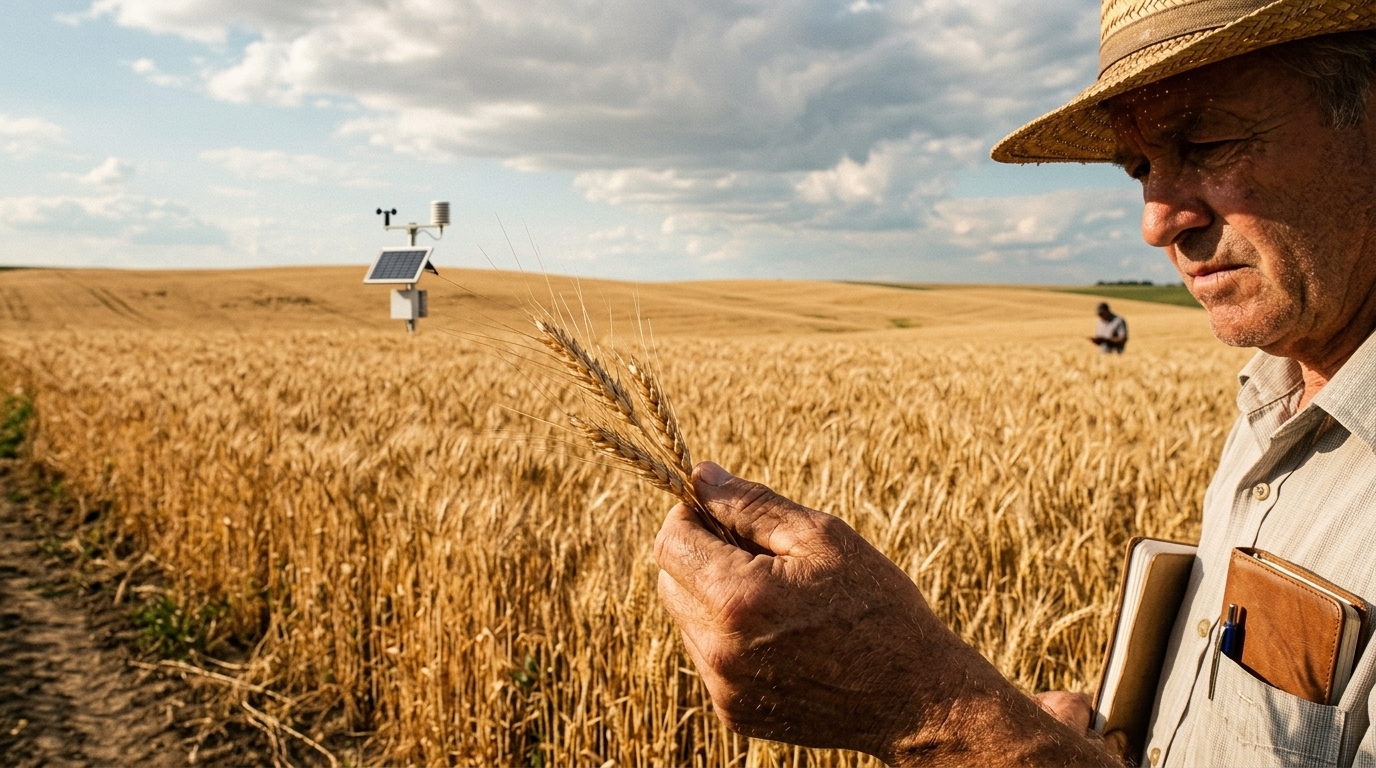
For decades, inflation was viewed through the lens of monetary policy and consumer demand. Central banks believed that by adjusting interest rates, they could tame the beast. But interest rates cannot make it rain in parched olive groves in Greece, nor can they stop floods from destroying cocoa harvests in West Africa. Climate change acts as a permanent 'supply shock.' In the Mediterranean, the collapse of agricultural yields due to unprecedented heatwaves has turned basic staples like olive oil into luxury goods. This is not a temporary fluctuation; it is the market reflecting the diminishing availability of natural resources.
The impact is systemic. When extreme weather events occur simultaneously in different breadbaskets of the world, global inventories plummet. This creates a floor for prices that is significantly higher than the historical average. Analysts now suggest that food security is the new national security, and the cost of maintaining it will be reflected in every grocery bill for the foreseeable future.
Green-flation: The Cost of the Solution
Paradoxically, the efforts to combat climate change are themselves inflationary in the short to medium term. The transition to a net-zero economy requires a massive overhaul of industrial infrastructure. This 'green-flation' is driven by the insatiable demand for critical minerals like copper, lithium, and nickel—essential components for the electrification of everything. As nations race to build wind farms and EV fleets, the scarcity of these materials drives up prices across the manufacturing sector.
Furthermore, regulatory shifts, such as the EU’s Carbon Border Adjustment Mechanism (CBAM), impose new costs on carbon-intensive imports. While these policies are essential to internalize the environmental cost of production, they inevitably lead to higher prices for consumers. We are effectively paying a 'climate debt' that has been accumulating for a century. The transition is a capital-intensive endeavor that challenges the low-inflation environment we enjoyed during the era of cheap fossil fuels.
Logistics and Labor in a Warming World
The physical reality of a warming planet is also redesigning global trade routes. The Panama Canal, a vital artery of global commerce, has faced repeated restrictions due to drought-induced low water levels, forcing ships to take longer, more expensive routes. These logistical hurdles add a layer of 'friction' to global trade that didn't exist a decade ago. Every mile added to a journey and every day spent waiting in a queue is a cost that eventually reaches the consumer.
Labor productivity is another hidden factor. Extreme heat is not just a health hazard; it is an economic drain. In sectors like construction, agriculture, and outdoor manufacturing, rising temperatures are reducing the number of viable working hours. This reduction in labor efficiency leads to higher project costs and slower delivery times, further fueling the inflationary fire. The 'hidden' costs of climate change are becoming increasingly visible on corporate balance sheets.
The Social and Political Challenge
The persistence of high prices poses a profound challenge to social stability. If the 'end of cheap everything' is indeed here, the gap between those who can afford the transition and those who cannot will widen. Governments are caught in a pincer movement: they must fund the green transition and climate adaptation while simultaneously providing relief to citizens struggling with the cost of living. The traditional tools of central banking are proving insufficient for a crisis that is rooted in biology and physics rather than just finance.
In conclusion, the narrative that inflation will eventually return to the 2% target of the 2010s is increasingly looking like wishful thinking. We are witnessing a fundamental repricing of risk and resources. To navigate this new era, we need a paradigm shift in how we value nature, how we build resilience into our supply chains, and how we protect the most vulnerable from the rising tide of climate-flation. The era of abundance, predicated on the exploitation of a stable climate, has come to an end.