The curtain has finally fallen on one of the most high-profile legal dramas in modern financial history. The U.S. Court of Appeals has rejected Sam Bankman-Fried’s (SBF) application for a review of his conviction, upholding the 25-year prison sentence imposed on him following the collapse of the FTX exchange. This decision is not merely a legal defeat for the former "golden boy" of cryptocurrency; it marks the definitive end of an era of unbridled impunity in the digital financial sector.
The Rationale for Rejection and Defense Strategy
Bankman-Fried’s defense had built its appeal on the argument that the trial judge, Lewis Kaplan, was biased and had unfairly restricted the defendant's right to present a comprehensive defense. Specifically, SBF's lawyers claimed they were not allowed to adequately cross-examine prosecution witnesses or present evidence showing that Bankman-Fried acted in good faith, relying on legal advice (the so-called advice-of-counsel defense).
However, the three-judge panel of the Second Circuit Court of Appeals in New York remained unconvinced. In their ruling, the judges emphasized that the proceedings were fully aligned with the rule of law and that the evidence against him was "overwhelming." The misappropriation of billions of dollars from FTX customer funds to cover losses at Alameda Research, fund political donations, and purchase luxury real estate was deemed a clear case of fraud that left no room for doubt regarding criminal intent.
Anatomy of a Collapse that Shook the World
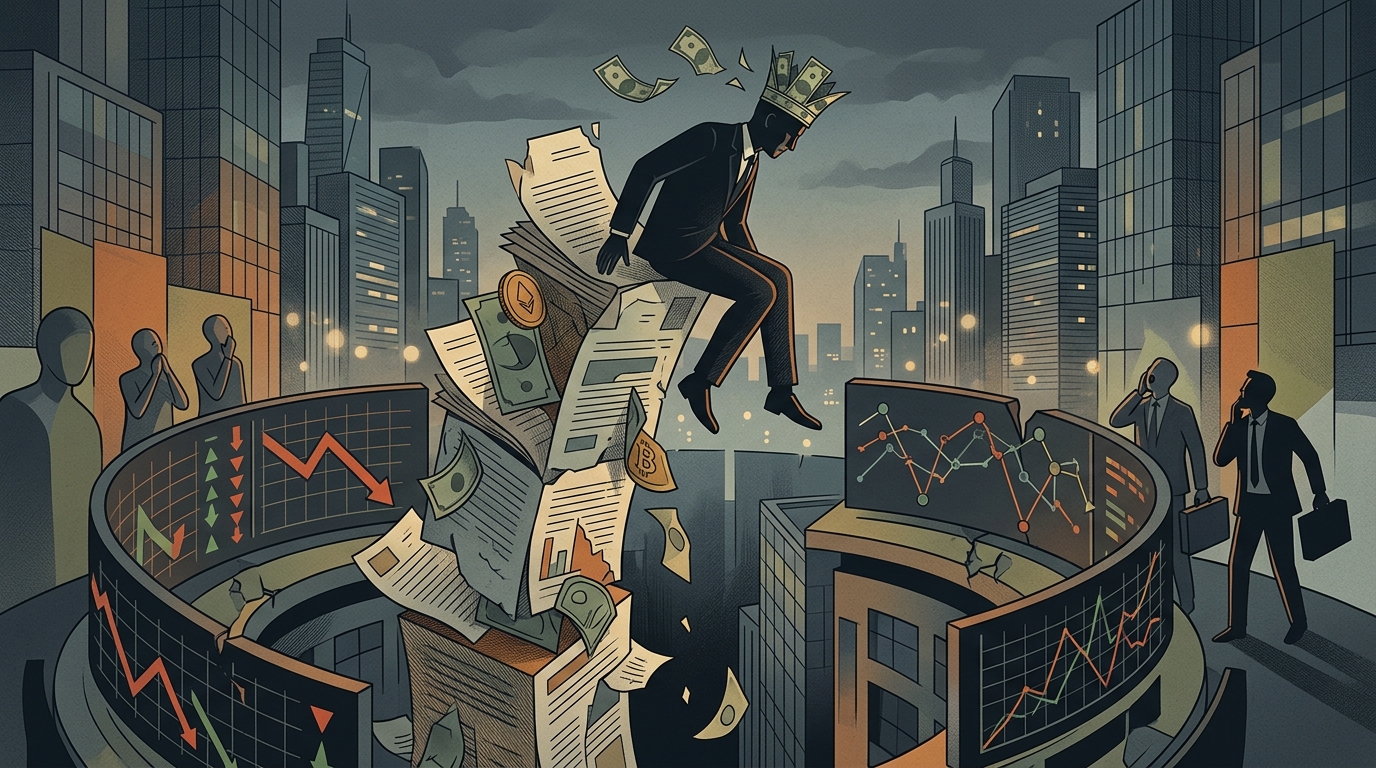
To understand the gravity of this decision, one must look back to November 2022, when FTX, then the world’s second-largest cryptocurrency exchange, collapsed within days. What started as a liquidity crisis quickly proved to be a systematic looting of customer deposits. Bankman-Fried, who presented himself as the industry's "savior" and a proponent of "effective altruism," was revealed as the architect of a scheme reminiscent of a classic Ponzi fraud, albeit in a digital environment.
- Transferring customer funds to Alameda Research without any collateral.
- Using FTT tokens as fictitious collateral for multi-billion dollar loans.
- A complete lack of internal controls and corporate governance.
- Deceiving investors and regulators through falsified financial statements.
The rejection of the appeal confirms that justice will not show leniency toward white-collar crimes, even when they are cloaked in the mantle of technological innovation. FTX was not a victim of market volatility, but a victim of the greed and irresponsibility of its leadership.
Market Implications and the New Regulatory Landscape
The SBF case acted as a catalyst for accelerating regulatory developments globally. From the European Union with the MiCA regulation to the United States, authorities have now adopted a much stricter stance toward cryptocurrencies. The era where exchanges operated in a legal vacuum is gone forever.
"This decision closes a dark chapter for the industry, but reminds us that trust is the most expensive currency," a Wall Street analyst stated following the announcement.
For investors, the FTX case remains a painful lesson. Despite efforts by the new FTX management under John J. Ray III to recover assets and compensate creditors, the damage to the reputation of the crypto ecosystem has been immense. The appeal rejection provides a sense of justice to the millions of victims who saw their savings disappear into a "black hole" of mismanagement.
The Future of Sam Bankman-Fried
With the appeal now rejected, Bankman-Fried's hopes for an early release or a new trial have evaporated. He will continue to serve his sentence in a federal prison, standing as a living example of a fall from the top of the world to the depths of social and legal disgrace. His story will be taught for years in business and law schools, not as a success story, but as a cautionary tale about the limits of ambition and the price of deception.