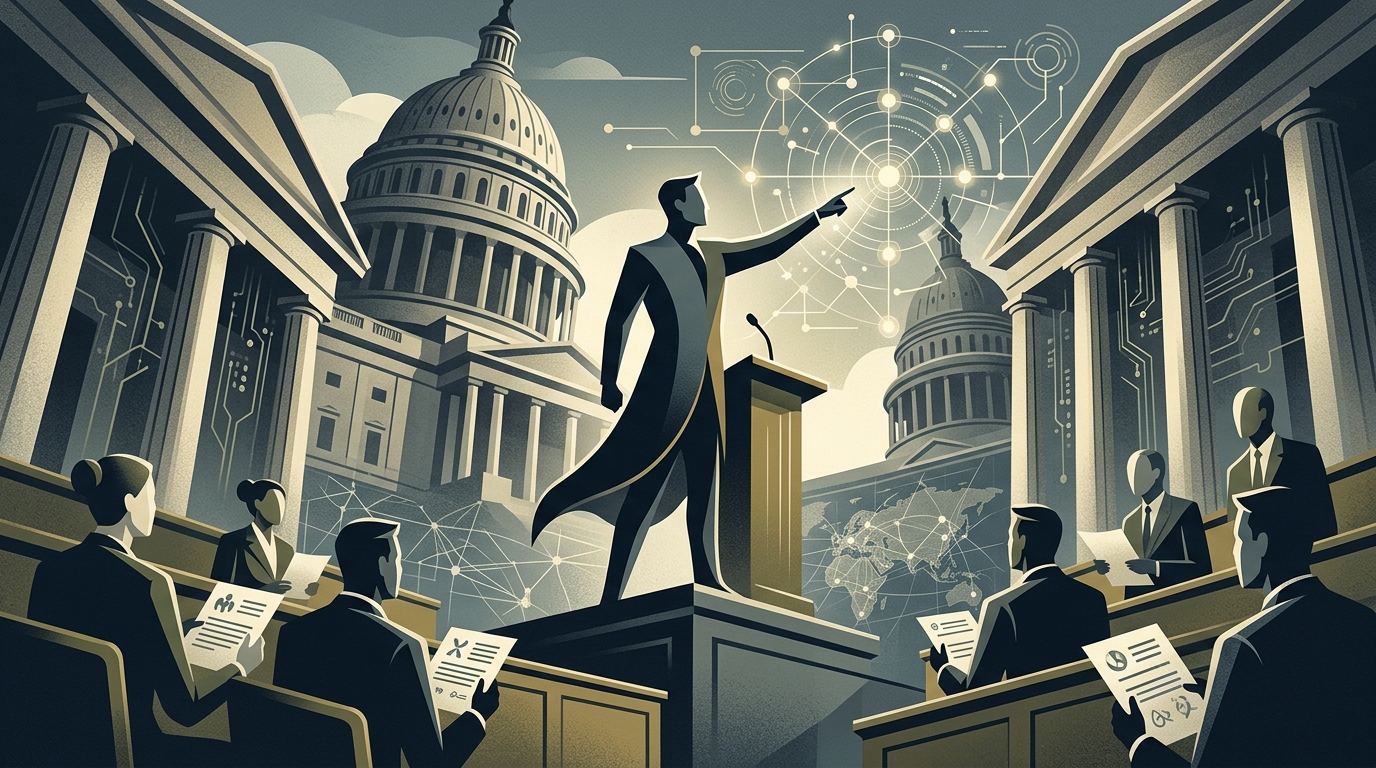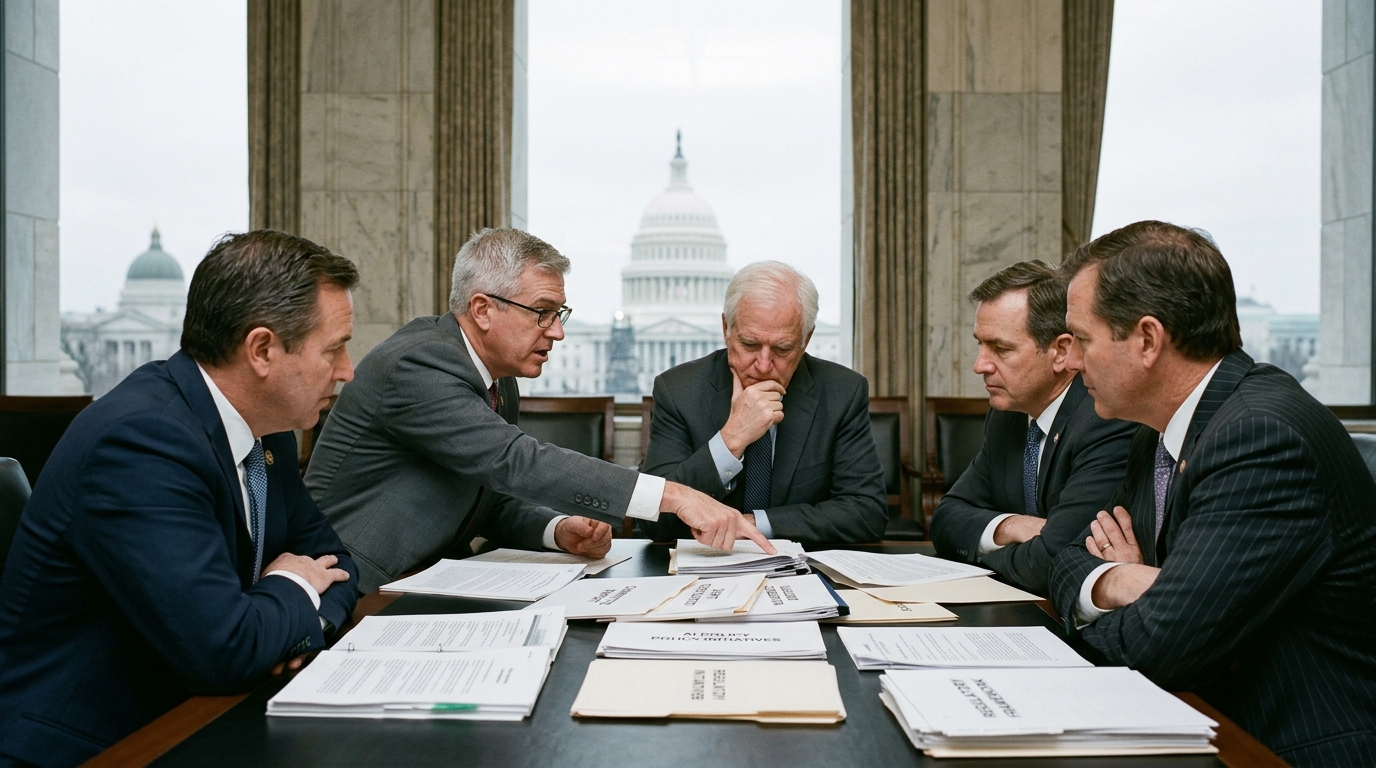
In the corridors of the Capitol and the glass towers of Silicon Valley, a new political tempest is brewing. What began as a tentative consensus on the need to regulate Artificial Intelligence (AI) has morphed into a fierce ideological battleground within the Republican Party (GOP). The "revolt" detailed by Politico is not merely a disagreement over legislative fine print; it is a fundamental struggle over whether AI will serve as a tool for state-mandated social engineering or the next frontier of American liberty.
The War on "Woke AI"
At the heart of this internal GOP uprising lies a profound suspicion among conservatives that current regulatory efforts under the Biden administration are a "Trojan Horse" for progressive values. The term "woke AI" has become a rallying cry for Republicans who fear that large language models are being fine-tuned to censor conservative viewpoints and promote a specific social agenda. This movement is led by figures who view "AI safety" frameworks as a pretext for speech suppression and viewpoint discrimination.
This rhetoric has shifted the focus from consumer protection to ideological neutrality. For many in the GOP, AI regulation is now viewed through the lens of the "administrative state" that must be dismantled. Threats to repeal President Biden’s landmark Executive Order on AI have become a cornerstone of the 2026 political platform, with proponents promising a deregulatory environment that allows "American ingenuity" to flourish without the heavy hand of government oversight.
National Security vs. Libertarianism
However, the Republican Party is far from a monolith on this issue. A powerful faction, consisting primarily of national security hawks, remains concerned that a total lack of regulation could leave the door wide open for China. These lawmakers argue that export controls and the protection of American intellectual property in the AI sector are vital for maintaining U.S. global hegemony. The tension between the libertarians, who advocate for zero intervention, and the hawks, who demand targeted regulation to counter Beijing, creates a volatile policy mix.
- Libertarians argue that regulation will stifle "Little Tech" startups to the benefit of established "Big Tech" incumbents.
- Nationalists view AI as the ultimate weapon in a new Cold War, requiring state-led strategic guidance.
- Populists within the party remain wary of AI's potential to displace blue-collar jobs and hollow out the American workforce.
The Silicon Valley Pivot
Another pivotal factor is the shifting landscape of Silicon Valley donors. Traditionally a Democratic stronghold, the Valley is witnessing a significant migration of high-profile investors, such as Marc Andreessen and Ben Horowitz, toward the GOP. Their frustration with Washington’s "regulatory overreach" is driving them to fund candidates who promise a laissez-faire approach to AI development. This financial backing provides Republicans with the political capital necessary to challenge the status quo, framing themselves as the true guardians of innovation.
"This is no longer about technology; it's about power. Whoever controls the rules of AI controls the narrative of the future," a senior GOP strategist noted.
In conclusion, the GOP revolt over AI signals the end of the era of technological innocence in politics. AI is no longer a neutral productivity tool; it is the new front of the culture war. The decisions made in the coming months will determine whether the United States follows a market-driven model of innovation or descends into a fragmented regulatory landscape where technology is held hostage by partisan interests. As we move closer to the midterms, the stakes for the global tech industry have never been higher.