At the crossroads of Southeast Asia, a quiet but radical revolution is unfolding. Vietnam, a nation once synonymous with low-cost manufacturing, is rapidly evolving into one of the world’s most dynamic hubs for Artificial Intelligence (AI). This transition is not only changing the code written in the labs of Hanoi and Ho Chi Minh City; it is fundamentally reshaping the country’s physical landscape: the commercial real estate (CRE) sector.
The Strategic Shift to High-Tech
As we move through 2026, the "China+1" strategy has matured, with global tech giants seeking alternatives outside of China for their supply chains and data infrastructure. Vietnam has emerged as the clear winner. The Vietnamese government, recognizing the opportunity, has implemented bold reforms such as Decree 53, which regulates data storage, while simultaneously opening the door for foreign investment in telecommunications infrastructure without previous ownership restrictions.
This legislative liberalization, combined with low energy costs and a skilled workforce, has created a perfect storm of demand for commercial real estate. Investors are no longer looking for simple warehouses but for sophisticated Data Centers and "Grade A" office spaces that can house the computing power and talent that AI demands.
Data Centers: The New Gold
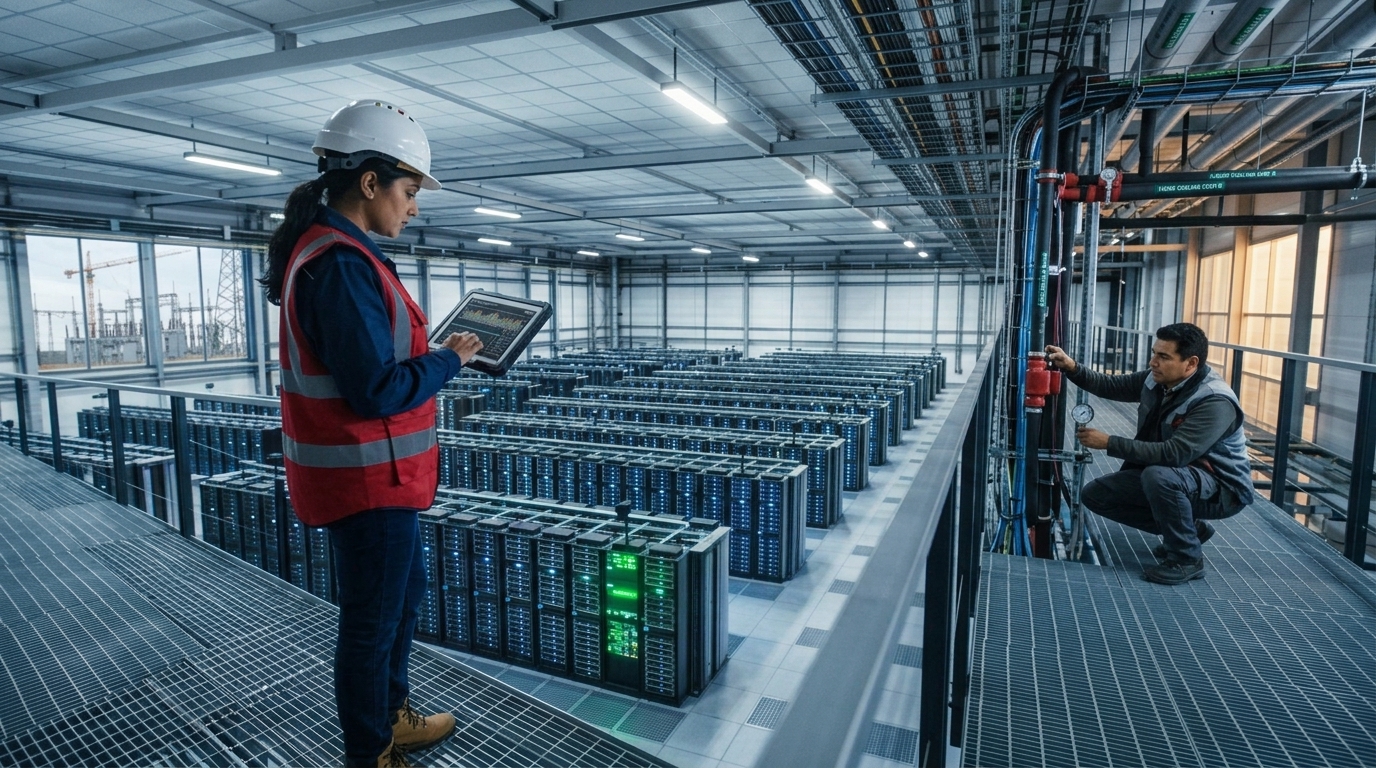
The heart of AI beats inside servers, and these servers need a home. Vietnam’s Data Center sector is expected to attract billions of dollars in investment over the coming years. Major players like Nvidia, Microsoft, and Google have already expressed intense interest or initiated partnerships with local giants such as FPT and Viettel.
- Energy Infrastructure: The challenge remains grid stability, as AI data centers consume vast amounts of energy.
- Location Strategy: Areas surrounding Hanoi and Ho Chi Minh City are becoming magnets for such developments due to their proximity to subsea fiber optic cables.
- Specifications: New buildings are being designed with advanced cooling and sustainability systems, meeting international ESG standards.
The Rise of Grade A Office Spaces
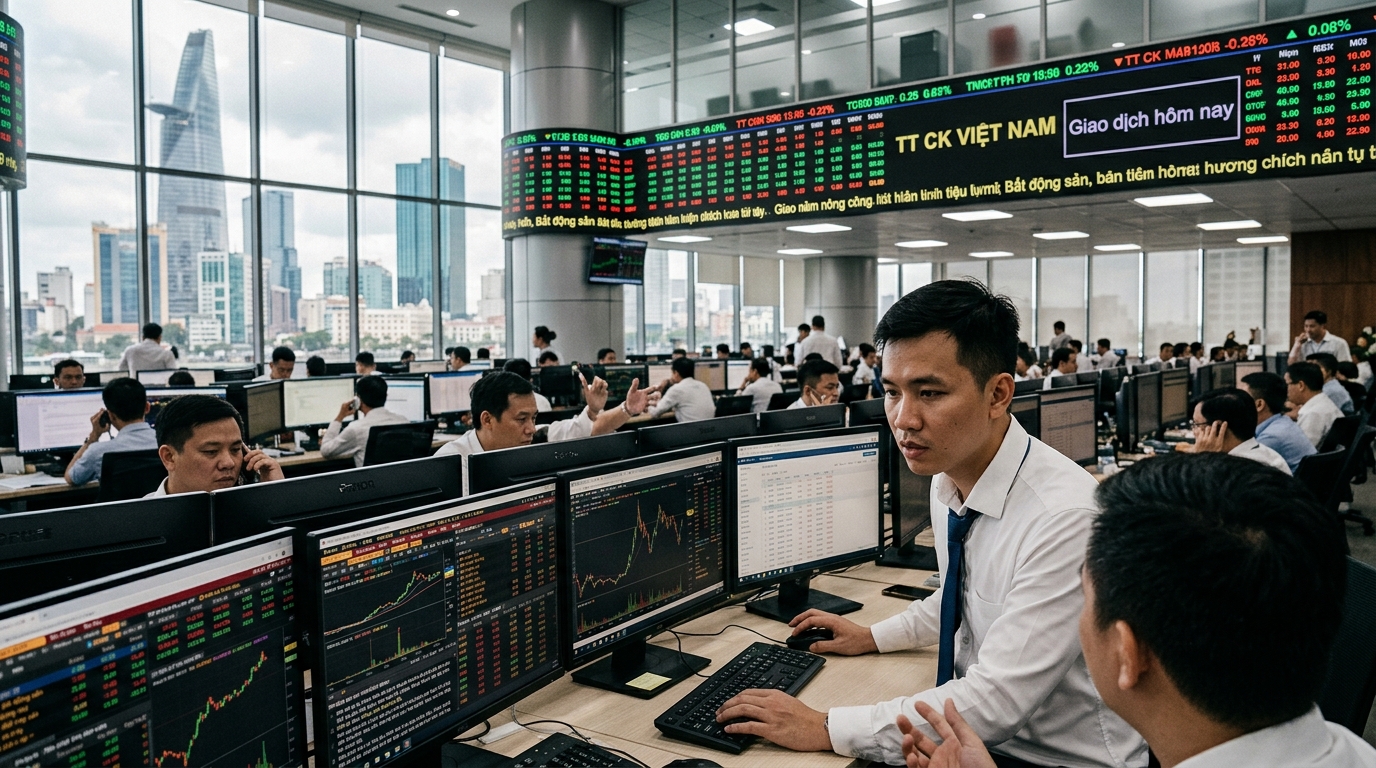
The AI boom is not just about machines; it is about people. Tech companies are competing for top-tier talent, and the workplace is a primary recruitment tool. We are witnessing a shift toward "smart" office buildings that integrate AI into their management—from climate control to security.
"Vietnam is no longer just an outsourcing destination. It is an innovation hub where physical infrastructure must keep pace with digital ambition," says a leading real estate analyst in the region.
This demand has led to rising rents in Central Business Districts (CBDs) while simultaneously driving the development of new tech parks in suburban areas. Traditional landlords are being forced to upgrade their buildings to avoid being left behind in the digital race.
Challenges and Future Outlook
Despite the euphoria, the road is not without obstacles. Bureaucracy in permitting and concerns over energy sufficiency, following the shortages of 2023, remain on investors' minds. However, the government’s commitment to "Net Zero" and investment in renewable energy sources indicate that the country is determined to support the green transition of data centers.
In conclusion, Vietnam’s commercial real estate sector is at a turning point. AI acts as a catalyst, transforming bricks and mortar into strategic assets for a global digital economy. For investors, the message is clear: the next big opportunity in real estate lies not in residential expansion, but in the infrastructure that will power the intelligence of the future.