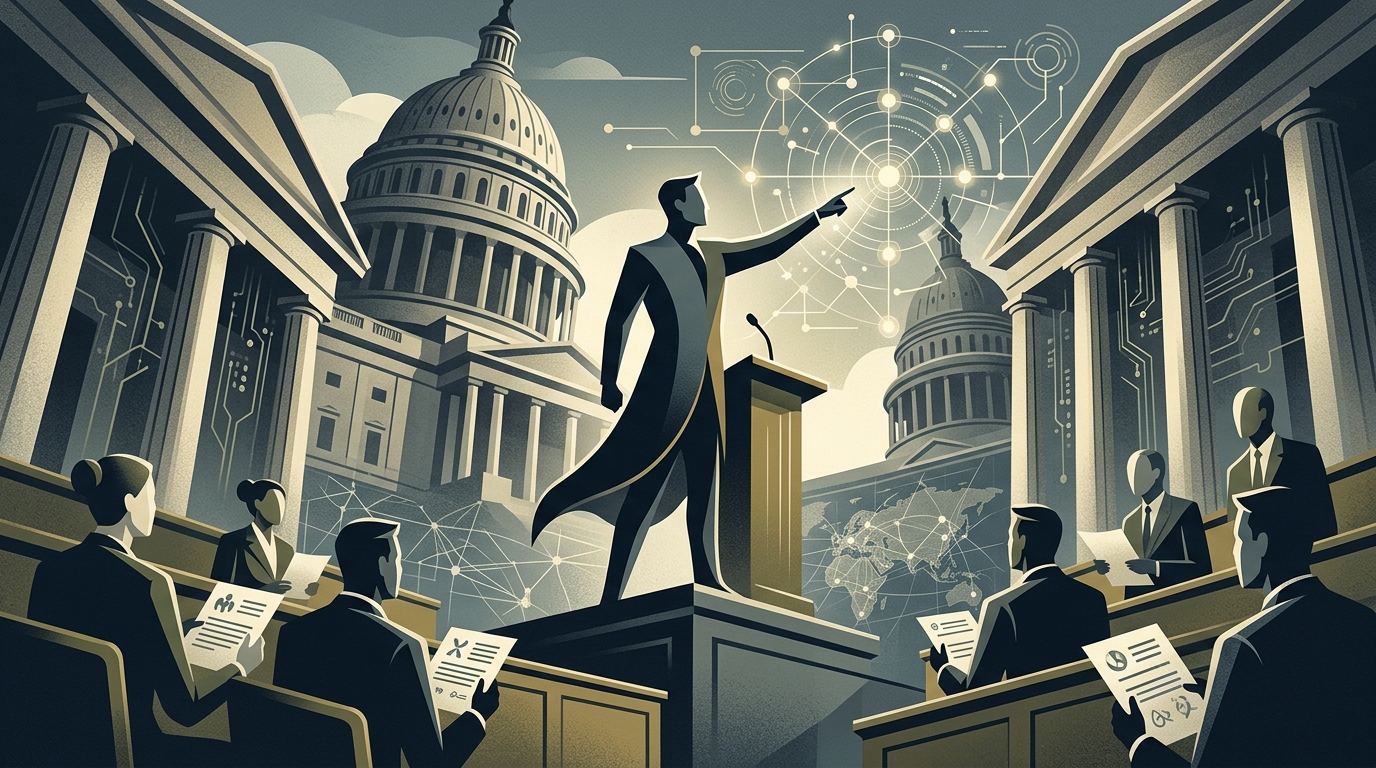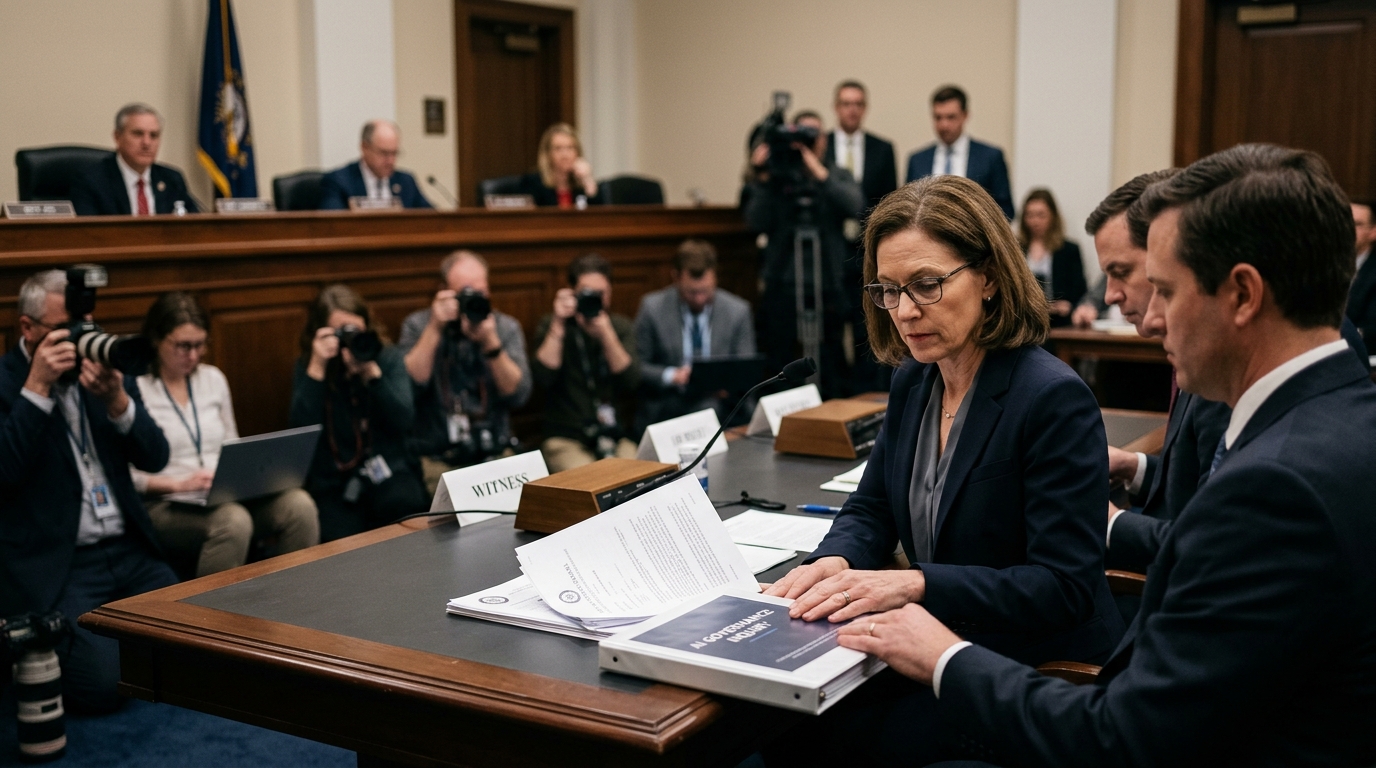
The honeymoon phase for OpenAI appears to be reaching a decisive end. The company that sparked a global revolution with ChatGPT is now facing intense scrutiny from a coalition of State Attorneys General across the United States. As first reported by The New York Times, these high-level investigations are centered on whether the AI giant has violated consumer protection laws, misled the public regarding the safety of its products, and mishandled vast amounts of personal data.
From Non-Profit Idealism to Corporate Realpolitik
At the heart of the investigation lies the complex and often opaque transition of OpenAI from a non-profit research lab to a profit-driven powerhouse. Founded with the mission to develop Artificial General Intelligence (AGI) for the benefit of all humanity, the company's shift to a 'capped-profit' model—fueled by billions in investment from Microsoft—has raised red flags. Attorneys General are examining whether this pivot constituted a breach of trust or a deceptive practice toward original donors and the public.
The governance crisis of late 2023, which saw CEO Sam Altman briefly ousted and then reinstated, provided investigators with a window into the company's internal friction. Regulators are now asking whether OpenAI’s board has the necessary independence and oversight to manage a technology that poses systemic risks to privacy, economic stability, and the integrity of information.
The Liability of AI Hallucinations
A significant portion of the legal inquiry focuses on the outputs of OpenAI’s models. For years, 'hallucinations'—the tendency of AI to confidently state falsehoods—were treated as a technical quirk. However, state officials are increasingly viewing these errors through the lens of consumer protection. If a company markets an AI tool as a reliable source of information while knowing it can generate defamatory or dangerous inaccuracies, it may be liable for deceptive advertising.
- Scrutiny of data scraping practices and the unauthorized use of copyrighted material.
- Evaluation of safety guardrails designed to prevent the generation of harmful or biased content.
- Investigation into the transparency of the training datasets used for GPT models.
"AI cannot be a 'black box' of legal immunity. The companies shaping our collective future must be held to the same standards of accountability as any other industry," notes a legal expert familiar with the proceedings.
Privacy and the Protection of the Vulnerable
Privacy remains a primary concern for state regulators. The investigation is probing whether OpenAI has implemented sufficient safeguards to protect the data of minors and whether users have any meaningful way to opt-out or have their personal information removed from the models' training memory. With strict privacy laws emerging in states like California, the practice of harvesting the open web for training data is facing its most significant legal challenge to date.
Furthermore, the investigation explores the potential for AI to be used in discriminatory ways, particularly in housing, employment, and credit scoring. As OpenAI integrates its technology deeper into the infrastructure of modern life, the legal burden to ensure fairness and non-discrimination grows exponentially.
In conclusion, this coordinated effort by State Attorneys General represents a watershed moment for the AI industry. It signals that the era of self-regulation is over. The results of these probes will likely set the precedent for how AI companies must operate, balancing the drive for innovation with the fundamental rights of citizens and the established laws of the land.