For over two years, the global public has watched the rapid ascent of Generative AI with bated breath, dominated by the fear of an impending "job apocalypse." However, according to Aaron Chatterji, OpenAI’s first Chief Economist, current labor market data tells a starkly different story. In a recent analysis that has sparked widespread debate, Chatterji argues that reality is refuting the Cassandras of technological unemployment, suggesting that the relationship between human labor and AI is far more nuanced—and less catastrophic—than initially feared.
Labor Market Resilience in the GPT Era
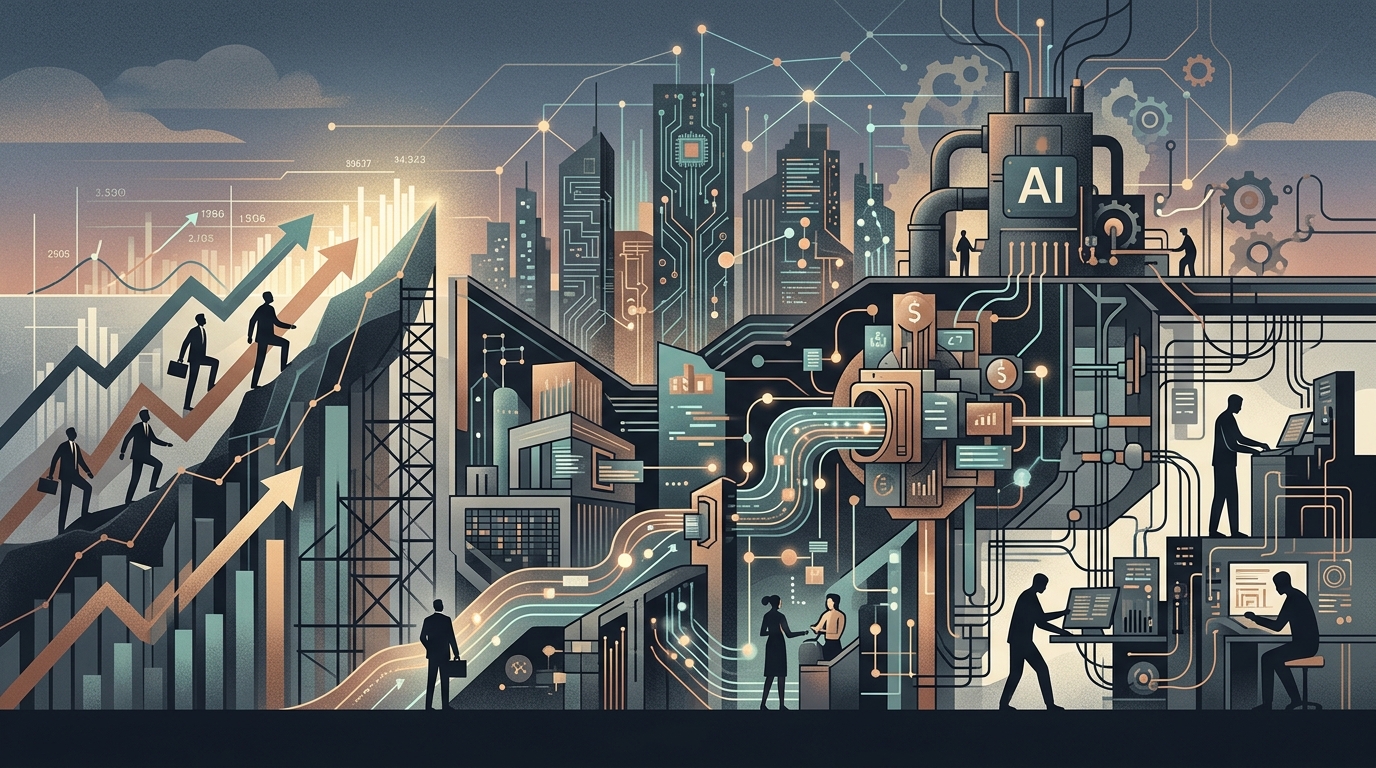
Despite the widespread adoption of tools like ChatGPT and enterprise-level AI agents, unemployment rates across major economies remain at historic lows. Chatterji points out that the labor market has shown a remarkable capacity to absorb shocks. Instead of mass displacement, we are witnessing what economists call "complementarity." Artificial intelligence is not replacing entire jobs; rather, it is automating specific tasks, allowing workers to focus on more complex, creative, and interpersonal activities.
OpenAI’s analysis suggests that labor demand remains robust because the technology lowers production costs, which in turn drives up demand for products and services. This phenomenon, known as the "Jevons Paradox," posits that increasing the efficiency of a resource often leads to an increase in its total consumption. In the case of labor, AI makes workers more productive, which can ultimately heighten the demand for their skills rather than rendering them obsolete.
From Substitution to Augmentation: The Paradigm Shift
One of Chatterji’s central arguments is that the focus on "substitution" is misplaced. The history of technology—from the steam engine to the personal computer—shows that new technologies create new professions that were previously unimaginable. Today, we see the rise of prompt engineers, data curators, and AI ethics analysts. These roles did not exist five years ago, and demand for them is growing exponentially.
- Automation of routine tasks frees up time for strategic and high-level thinking.
- AI acts as a "copilot," boosting the capabilities of junior or less-skilled workers.
- Sectors like healthcare and education are seeing efficiency gains without headcount reductions.
Furthermore, the demographic crisis in many developed nations, characterized by aging populations and a shrinking workforce, makes AI a necessary tool for maintaining economic growth. In this context, AI is not coming to steal jobs but to fill the gaps left by demographic contraction, ensuring that productivity does not stall as the labor pool tightens.
The Productivity Paradox and Future Challenges
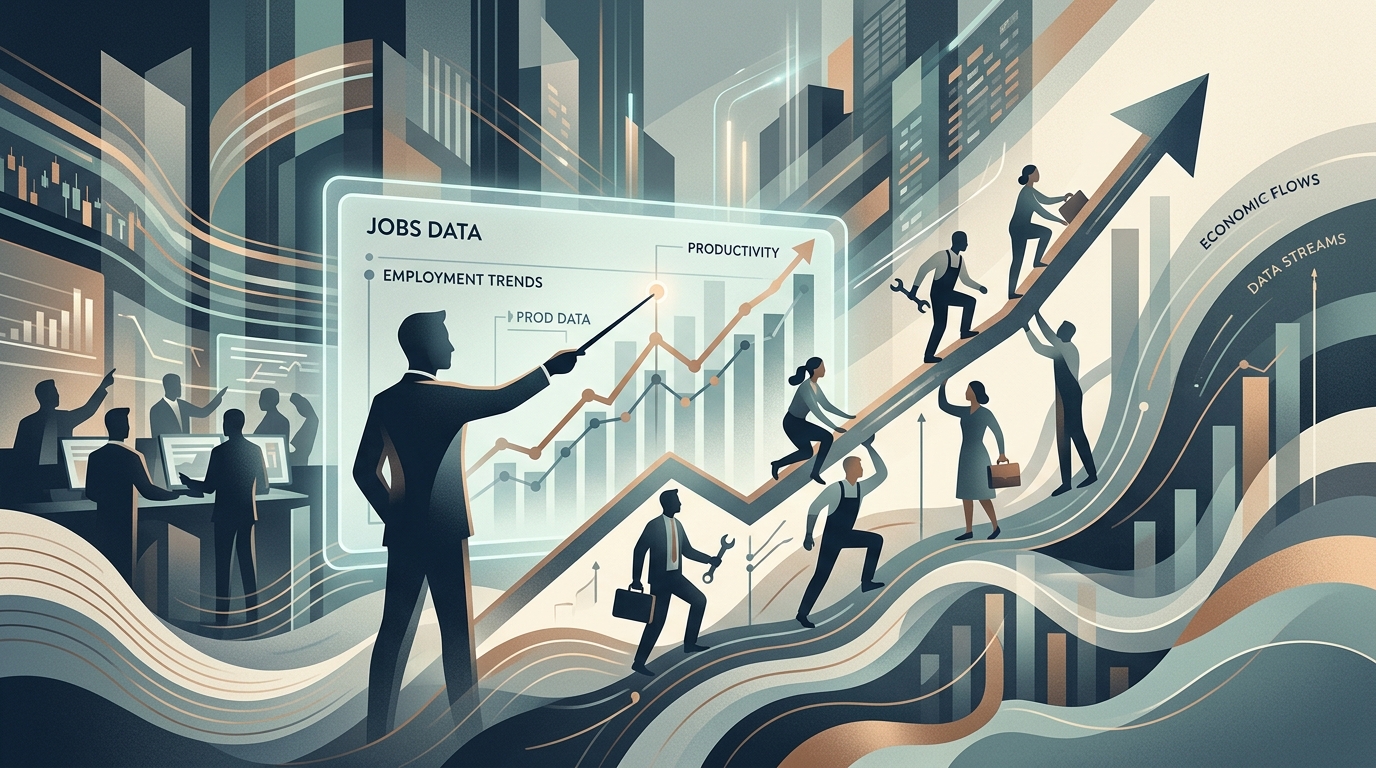
Despite the prevailing optimism, Chatterji acknowledges the existence of a "productivity paradox." While AI technology is ubiquitous, official productivity metrics have yet to record the expected surge. This is partly due to the time required for full integration into corporate workflows and the massive scale of workforce retraining required.
"The question is not whether AI will replace humans, but how quickly humans can learn to collaborate with AI to unlock new levels of value," Chatterji notes.
However, the transition will not be painless for everyone. While aggregate employment levels may remain stable, significant "churn" is inevitable. Certain sectors will contract while others expand. The challenge for policymakers is not to halt the technology but to ensure that workers have the tools and support to transition into the new roles being created. An emphasis on lifelong learning and social safety nets during this transition is critical to preventing a widening of the inequality gap.
Conclusion: Toward a New Equilibrium
The analysis from OpenAI’s chief economist provides a necessary dose of realism to a conversation often dominated by hyperbole. The data indicates that the labor market is far more dynamic and adaptive than static predictive models assume. AI is not a hurricane destined to level the employment landscape, but a new current that requires us to change how we navigate. The focus on education, innovation, and flexibility will determine whether the AI era becomes an age of shared prosperity or a period of profound social unrest.