U.S. stock futures jumped on Sunday, extending a bullish trend from late last week as President Donald Trump stepped back from a major military strike on Iran. The decision provided a much-needed reprieve for global markets that have been rattled by geopolitical tensions.
A Record-Breaking Surge in Seoul
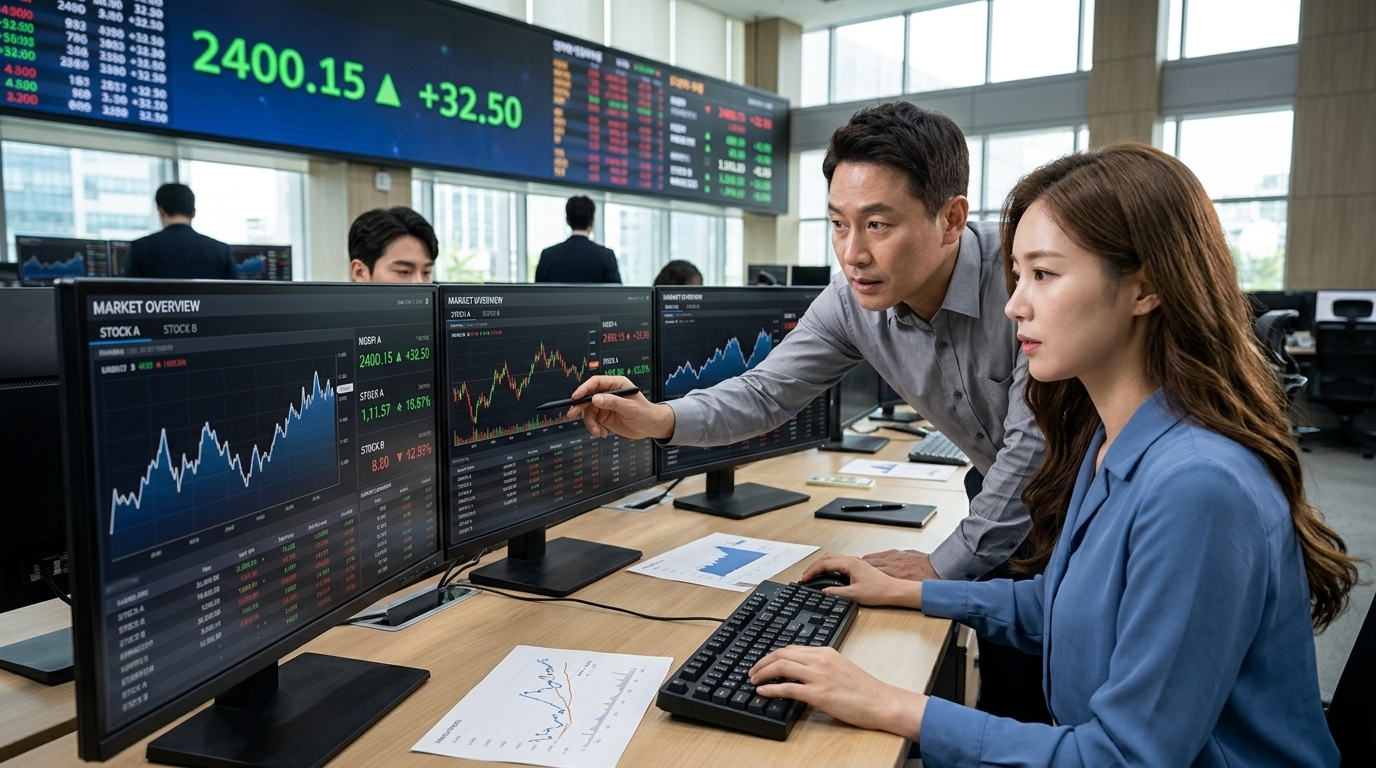
South Korea’s Kospi index, a key global market bellwether, soared 18% on Friday, marking its largest single-day jump on record. This massive recovery suggests that investors are re-entering the market following a severe selloff last month, during which South Korean authorities were forced to curb the excessive leverage that had fueled extreme volatility.
Oil Prices and Strategic Deterrence
Energy markets reacted swiftly to the de-escalation hopes. U.S. oil prices tumbled 4.5% to $80.85 a barrel, while Brent crude dived 4.6% to $83.90. The decline reflects growing optimism for a diplomatic resolution that could reopen the critical Strait of Hormuz.
While Trump attributed his latest reversal to pleas from U.S. allies for diplomacy, some analysts suggest a shift in the regional balance of power. Dennis Citrinowicz, a former Israeli intelligence official, noted on X that Iran appears to hold the "strategic advantage in deterrence," especially as Tehran utilizes proxies like the Houthi rebels to expand the conflict across the Red Sea and the Bab el-Mandeb Strait.
The Fed’s Credibility Test
Wall Street is now shifting its focus toward upcoming labor market data amid growing doubts about the Federal Reserve's strategy. Fed Chairman Kevin Warsh recently triggered what analysts call a "credibility shock" by offering no forward guidance and suggesting unconventional tools to combat inflation.
Key reports due this week include ADP private payrolls on Wednesday and the official jobs report on Friday. Analysts expect a gain of 85,000 jobs, with the unemployment rate potentially ticking up to 4.3%. Bank of America economists warn that if the labor market remains too robust, it could signal that the Fed is "behind the curve," further undermining market confidence in its ability to manage inflation.