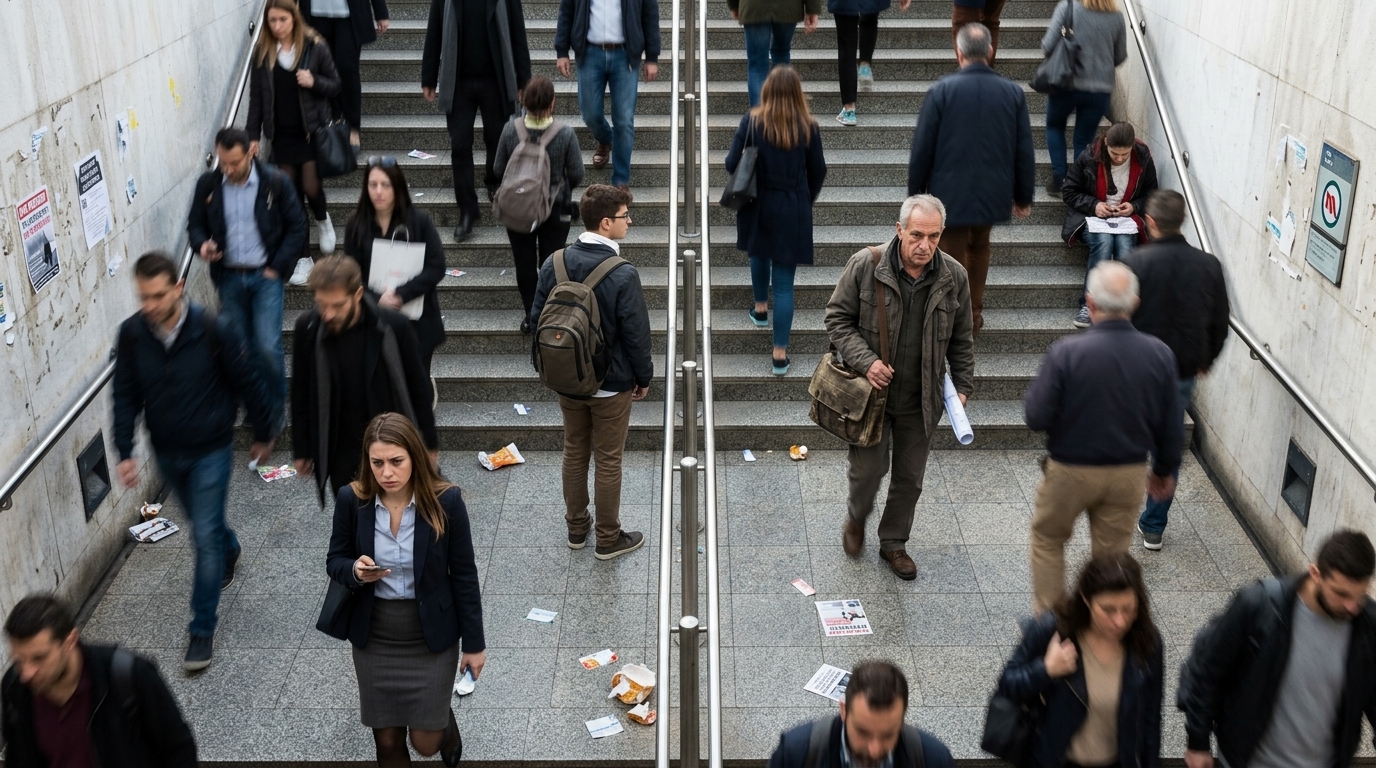
The image of Greece in international markets in 2026 resembles a minor economic miracle. After a decade of painful austerity and a challenging pandemic period, the indicators show a country that has moved past being the "black sheep" of the Eurozone. GDP growth rates consistently remain above the European Union average, primary surpluses have returned, and investment-grade status is now a given. However, behind the glowing figures of European Commission and Moody’s reports lies a different, much harsher reality for the average citizen.
The Gap Between Macroeconomics and Daily Life
The question dominating conversations in Greek households is simple: "If the economy is doing so well, why is my wallet emptying faster?" The answer lies in the structure of this growth and the persistent nature of inflation, especially in essential goods. While large corporations, particularly in tourism and energy, report record profits, the purchasing power of wage earners remains frozen at levels seen fifteen years ago. According to Eurostat data, Greece continues to rank at the bottom of the EU in terms of purchasing power, competing only with Bulgaria.
"Growth based solely on consumption and tourism is vulnerable and, more importantly, is not distributed fairly across society," economic analysts point out.
Food inflation, which in many cases exceeds general inflation, acts as an indirect, horizontal tax that disproportionately affects low- and middle-income groups. Despite efforts to control prices, structural distortions in the Greek market—oligopolies, lack of competition in the supply chain, and high energy costs—keep shelf prices at Central European levels while wages remain Balkan-tier.
The Housing Crisis as a Social "Brake"
Perhaps the darkest spot of the current economic period is the housing crisis. The rapid rise in rents, fueled by the spread of short-term rentals (Airbnb) and a lack of new housing supply, has made finding decent housing an unsolvable puzzle for the younger generation. In Athens and major urban centers, a significant percentage of citizens spend over 40% of their income on housing, the highest rate in Europe.
- The Golden Visa program, while bringing in capital, pushed property prices upward, displacing local buyers.
- Mortgage interest rates remain high, making homeownership a distant dream for young people.
- The lack of social housing policy for decades leaves the state without tools to intervene in the market.
This situation creates a sense of social suffocation. When the most basic good, housing, becomes inaccessible, any increase in the minimum wage is immediately absorbed by rent, effectively nullifying the concept of an improved standard of living.
Towards a New Productive Model?
To bridge the gap between numbers and people, Greece needs a deep transformation of its productive model. A shift toward technology, innovation, and the green transition is essential, but it must be accompanied by high-quality jobs with better pay. Artificial intelligence and the digitalization of the state can improve productivity, but the challenge remains the fair distribution of the fruits of this progress.
The challenge for 2026 and beyond is the transition from "growth of indicators" to "growth of prosperity." This requires bold reforms in justice, education, and health, as well as a tax policy that lightens the burden on compliant taxpayers and cracks down on real tax evasion. Without a strong middle class that feels secure and can plan for the future, economic recovery will remain a fragile facade.
In conclusion, Greece stands at a critical crossroads. Fiscal stability is the foundation, but the structure built upon it must have room for everyone. Social cohesion is just as important as a primary surplus, and political leadership must recognize that citizen prosperity is the only true indicator of an economy's success.