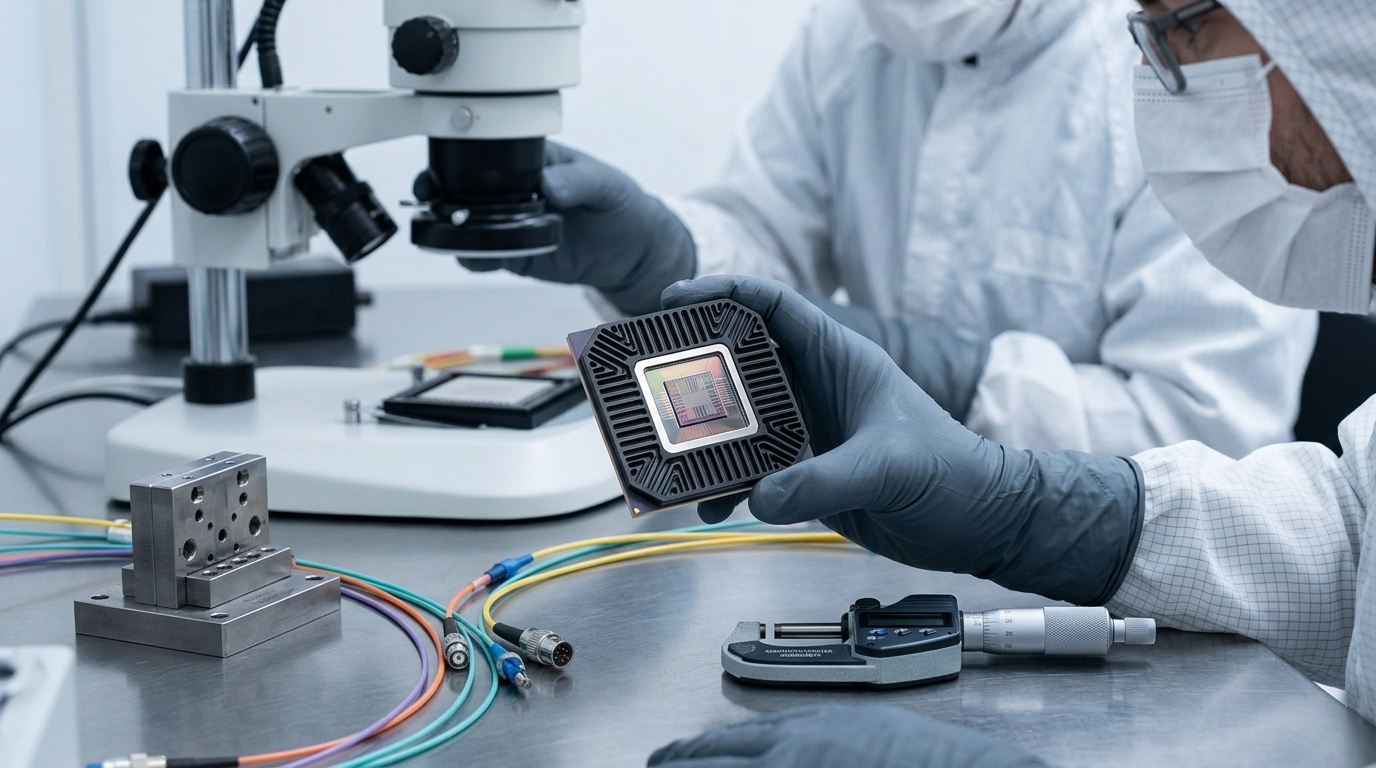
China's economy gathered momentum in the third quarter as a surge in artificial intelligence and robust exports managed to offset sluggish retail sales and weak investment. The country's Gross Domestic Product (GDP) grew by 4.5% year-on-year during the July–September period, slightly exceeding analyst expectations of 4.4%.
A Two-Speed Economy
Beijing is currently navigating a stark economic divide. On one hand, the AI boom and investments in high-tech manufacturing are fueling strong export activity, with dollar-denominated exports jumping 36% last month. On the other hand, the protracted real estate crisis continues to weigh heavily on domestic consumer confidence, as new home prices across 70 cities recorded further declines.
Key performance indicators show:
- Industrial production expanded by 5.5% in September.
- Retail sales rose by 1.1%, partly driven by government subsidies for communication and tech products.
- Growth for the first nine months reached 4.6%, keeping the country on track for its annual target of 4.5% to 5.0%.
Trade Tensions and Record Surpluses
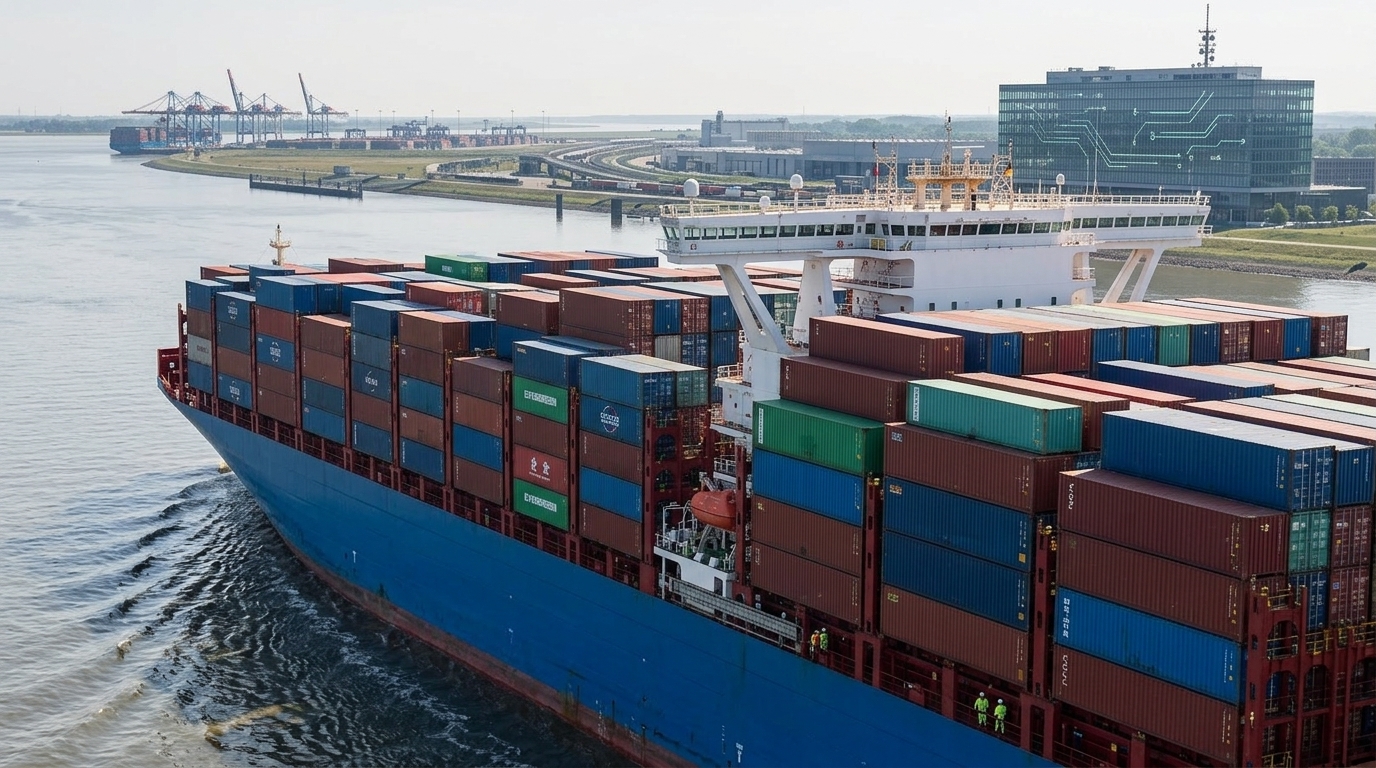
China's swelling trade surplus, on track to surpass a record $1.2 trillion, is causing friction with major trading partners, particularly the European Union. Although both sides reached an agreement on import quotas for Chinese hybrid vehicles to avoid a full-scale trade conflict, the EU is expected to implement further protectionist measures to safeguard its domestic industry against low-cost Chinese competition.
While manufacturing shows positive signs, economists emphasize that the recovery remains supply-driven. For a more balanced and sustainable economic rebound, experts argue that boosting private consumption and household confidence—currently stifled by the property market's weakness—is essential.