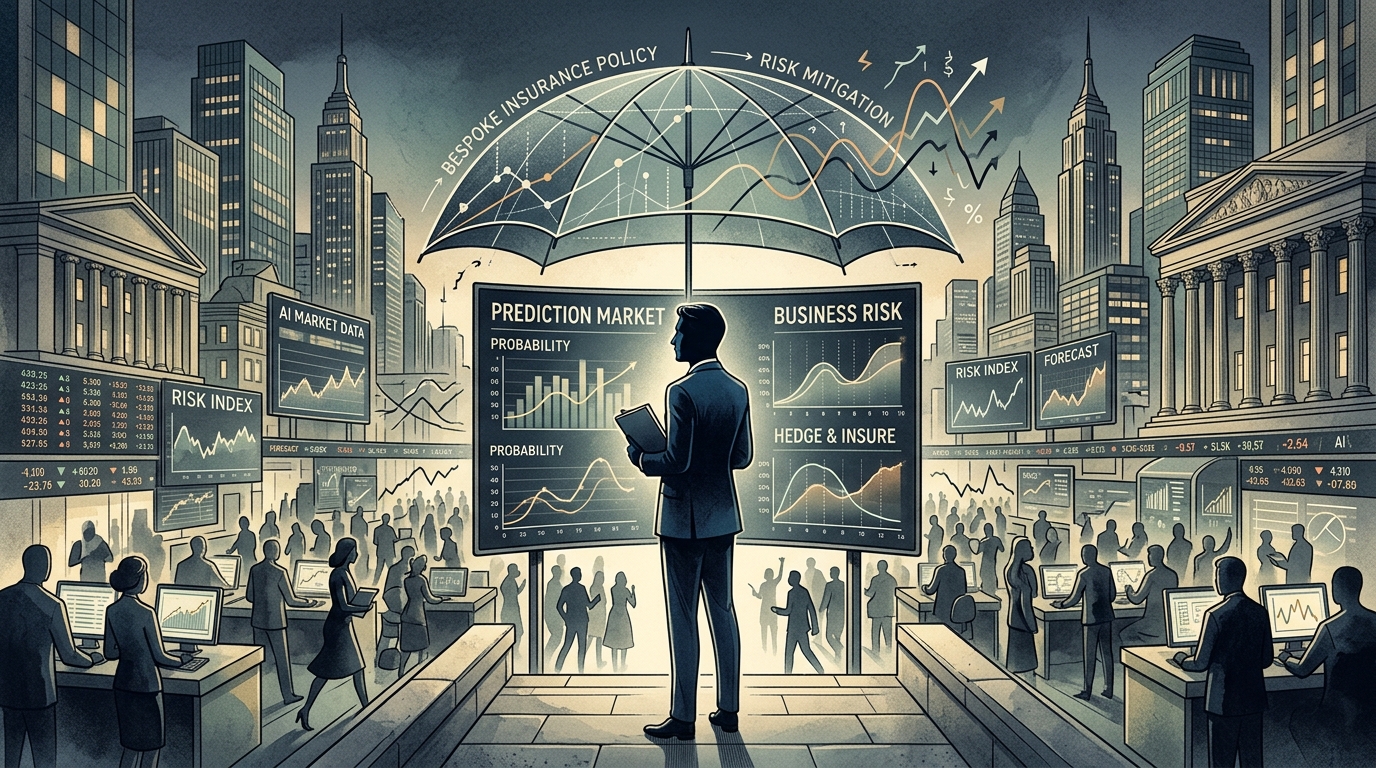
Prediction markets are transforming into an unconventional risk management tool for small and medium-sized businesses. A recent move by a Los Angeles hospitality group, which placed a $60,000 trade on the Kalshi platform, highlights how betting on real-world outcomes can function as "bespoke insurance."
The Dodgers Hedge
The unnamed group, which operates 25 bars including several near Dodger Stadium, made the trade on the condition that the city's MLB team would not advance to the World Series. Following the Dodgers' loss to the Milwaukee Brewers last week, the position returned nearly double the original stake. These gains helped the business offset the revenue it would have generated had the team played more playoff games.
Joshua Mitts, a law professor at Columbia University, noted that this practice is "functionally quite similar to a form of bespoke insurance." These platforms are surging in popularity, with trading volumes doubling between May and July, partly because they are classified as financial exchanges rather than gambling sites.
From Ice Cream Shops to Insurance Firms
The Los Angeles example is part of a broader trend:
- A New York City bar, The Jeffrey, used a $13,500 payout to cover patrons' tabs and secure an $8,500 profit after betting on the Knicks.
- An LA ice cream shop reported making up to $1,500—nearly half its monthly rent—by hedging against demand-stifling cold fronts.
- An insurance company placed trades that could pay out $3 million to cover potential coaching bonuses for Louisiana State University.
AI Integration and Regulatory Concerns
The rise of tools like Blanket, an AI engine that suggests specific Kalshi markets to offset business risks, is making these platforms more accessible to non-experts. However, experts like Mitts warn of the "Wild West" nature of these markets. Unlike traditional insurance, which has state-regulated resources to prevent fraud, prediction markets currently lack robust guardrails against abuse.