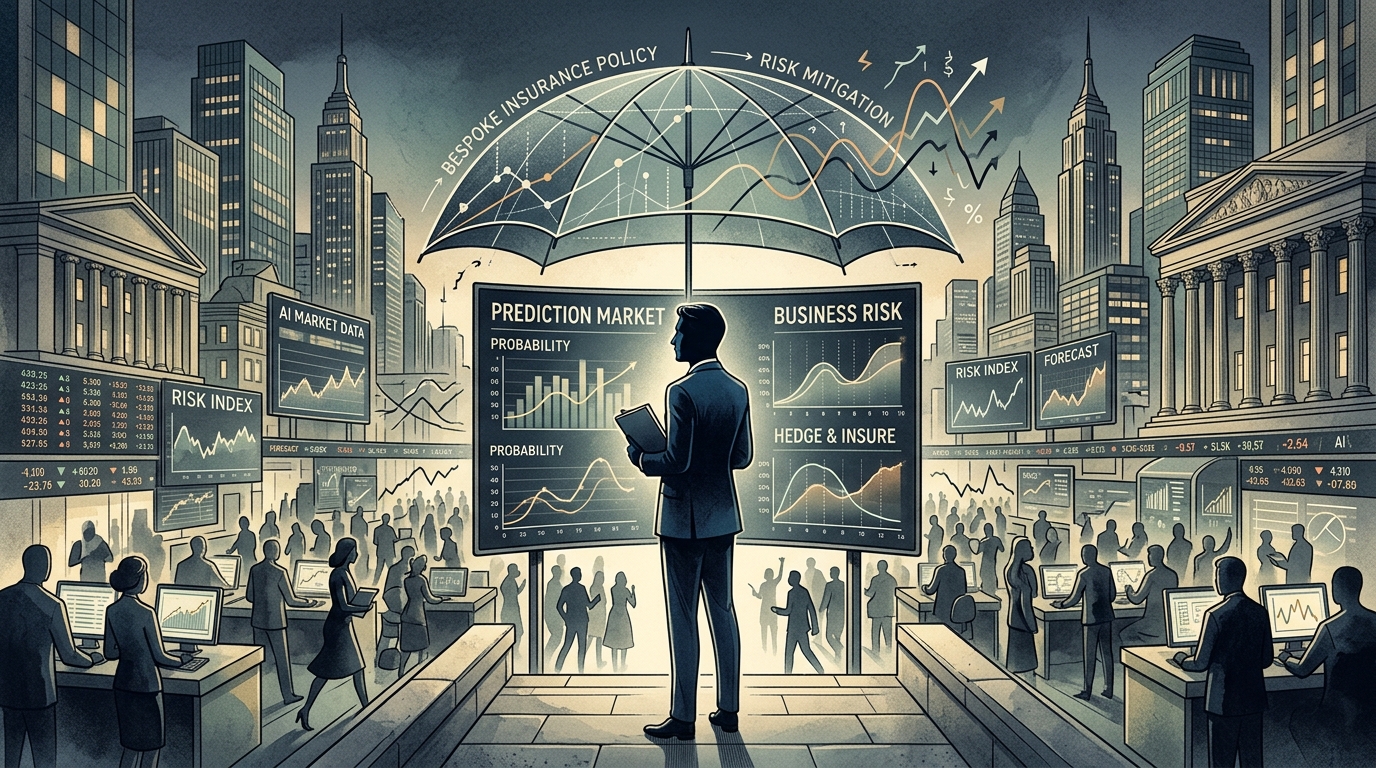
In mid-2026, global markets appear to be in a state of euphoria. Stock indices are shattering record after record, and corporate profitability remains at levels that many analysts deemed unthinkable two years ago when interest rates began their ascent. However, beneath the surface of this impressive facade lies a structural imbalance that threatens to upend the "soft landing" narrative. The current prosperity of corporate balance sheets is not the result of healthy, organic growth, but rather the byproduct of a dangerous convergence of two factors: colossal US fiscal deficits and the systematic depletion of household savings.
The Kalecki-Levy Equation and the 'Artificial' Fuel
To understand how companies continue to post mammoth profits despite high borrowing costs, we must return to the basics of macroeconomic accounting. According to the Kalecki-Levy equation, total private sector profits equal the sum of investment, dividends, and the fiscal deficit, minus household savings. In today's 2026 environment, the US fiscal deficit is acting as a giant wealth transfer mechanism toward the corporate sector.
When the government spends significantly more than it collects, that money flows into the economy, boosting corporate revenues. This "fiscal dominance" has rendered the Fed's monetary policy less effective. While high interest rates should normally curb profitability through debt servicing costs, the continuous influx of state funds offsets these pressures, creating an illusion of resilience. Companies, particularly those in the technology and defense sectors, have become the primary recipients of this liquidity, allowing them to maintain high profit margins even as real demand shows signs of fatigue.
The Consumer at the Brink: Depleting the 'Buffer'
The second source of corporate profitability is the dramatic reduction in savings. The excess funds accumulated during the pandemic have now been fully exhausted. Consumers, in their effort to maintain their standard of living against persistent service inflation, have turned to borrowing and drawing down their savings. This conversion of household wealth into corporate revenue is a process that cannot continue indefinitely.
- Credit card delinquency levels have reached a fifteen-year high.
- Personal savings as a percentage of disposable income are at historic lows.
- The purchasing power of the middle class is being squeezed by increased housing and energy costs.
The pressing question now is: what happens when the consumer can no longer fund corporate profitability? Already, the first cracks are appearing in the retail and consumer goods sectors, where companies are finding it difficult to pass on further price increases. The "pricing power" they enjoyed in previous years seems to be waning, foreshadowing a period of intense pressure on profit margins.
The AI Illusion and the Risk of Correction
Many analysts argue that the Artificial Intelligence (AI) revolution will provide the necessary productivity boost to justify current valuations. However, Clio points out that AI adoption requires massive capital expenditures, often funded with expensive debt. While AI promises long-term benefits, in the short term, it acts as an additional cost factor that companies are trying to cover through layoffs and restructuring.
"The market seems to be pricing in only the positive AI scenario, ignoring that macroeconomic instability could negate productivity gains before they even materialize," says a senior investment bank executive.
If US fiscal policy is forced into a sharp tightening due to pressure in bond markets, or if consumption collapses under the weight of debt, the profit rally could turn into a violent correction. Market optimism is built on a shaky foundation of debt and deficits, and history has shown that such imbalances tend to self-correct in painful ways. For Europe and Greece, this development would mean increased volatility and a potential slowdown in exports as the American engine of global demand begins to sputter.