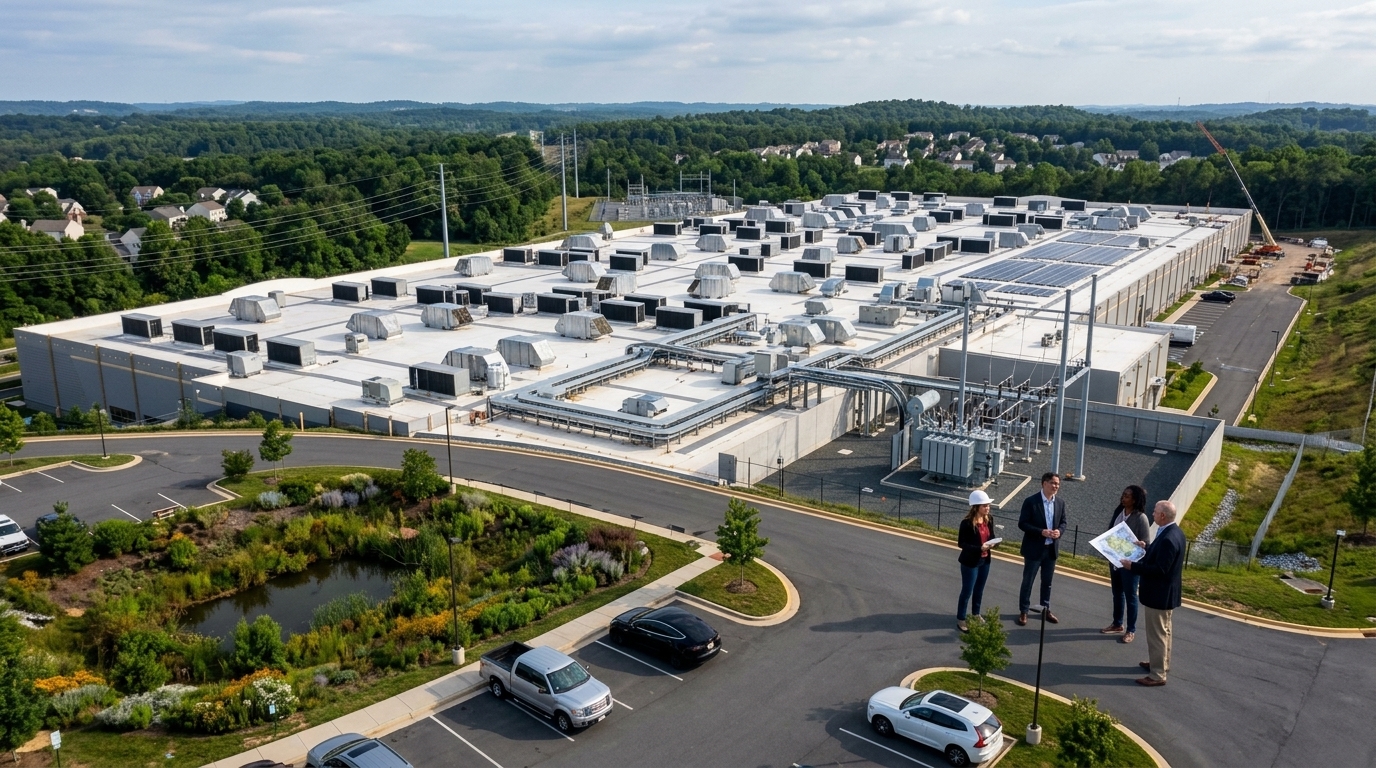
The race for AI dominance is pushing tech giants to construct data centers across the U.S. at a record pace. However, this expansion comes with a significant fiscal trade-off, as most states offer generous tax incentives that often outpace the benefits of market competition.
The Scale of Tax Incentives
According to a report from JLL, the global data center sector is projected to grow at a 14% compound annual rate through 2030. Nearly three-quarters of U.S. states employ incentives including exemptions from sales, use, property, and financial transactions taxes. These incentives are particularly lucrative due to the rapid equipment churn; while physical structures last over 20 years, AI computing hardware often has a lifespan of just three years due to high operational strain.
The Tax Foundation notes that a $5 billion data center could easily spend over $1 billion annually on machinery, making sales tax exemptions a critical factor in site selection.
State-by-State Disparity
Eligibility requirements for these tax breaks vary significantly across the country:
- Texas requires a minimum capital investment of $200 million.
- Illinois offers exemptions for up to 20 years with a $250 million minimum investment, though the state notably stopped reporting annual revenue-loss figures in FY 2023.
- Virginia, home to 35% of the world's hyperscale facilities, demands a $150 million investment and 50 new jobs paying at least 150% of the local average wage.
Economic Reality and Hidden Costs
A Georgia Tech study questions whether the investment is truly stimulating local economies. While employment rose by 3.5% and wages by 5% upon a center's opening, these gains were smaller than expected and unevenly distributed. Conversely, electricity prices jumped by approximately 5% due to the massive power consumption required, straining local infrastructure. Furthermore, research from Brookings suggests that subsidies may disproportionately benefit facilities that generate the fewest local jobs.