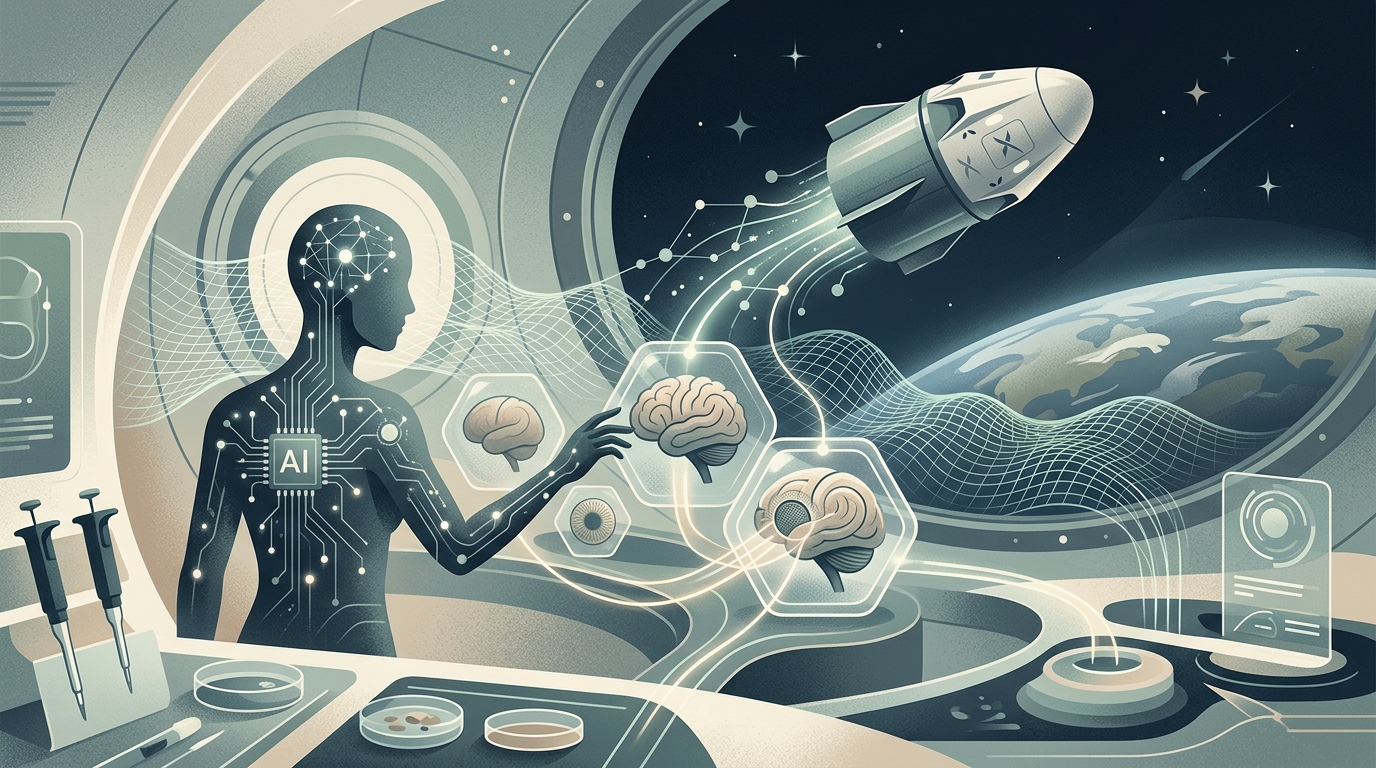
A new era for medical research has begun aboard the International Space Station (ISS) following the successful docking of SpaceX's Dragon spacecraft. Attached to the Harmony module on October 15, the vessel delivered over 2,860 kg of supplies, equipment, and experiments for the Expedition 75 crew as part of NASA's 35th commercial resupply mission.
Medicine in Microgravity
The mission's core focus lies in groundbreaking biomedical experiments that utilize the near-zero gravity environment to unlock secrets of the human body:
- Brain Organoids: Microscopic 3D tissue models used to identify therapeutic targets for neurological conditions such as Alzheimer's, Parkinson's, and Multiple Sclerosis.
- Artificial Retinas: Equipment for manufacturing biological structures that could eventually lead to vision restoration technologies.
- 3D Heart Tissues: Human heart models designed for large-scale drug testing in future missions.
Power and Material Science
Beyond biology, the Dragon carried the latest set of IROSA (Roll-Out Solar Arrays), which will be installed this fall to significantly boost the station's power generation. Additionally, the mission includes materials for studying the formation of a new type of glass, free from the distorting effects of Earth's gravity.
The spacecraft is scheduled to remain docked until mid-November. Upon its return, it will carry research samples back to Earth, with a planned splashdown in the Pacific Ocean off the coast of California.