The era of U.S. states welcoming autonomous vehicles with open arms is shifting toward a period of intense scrutiny. Since 2011, when Nevada became the first state to legalize self-driving cars following lobbying from Google, the landscape has transformed. Today, the lack of federal safety standards is forcing municipalities to take matters into their own hands.
A Local Regulatory Patchwork
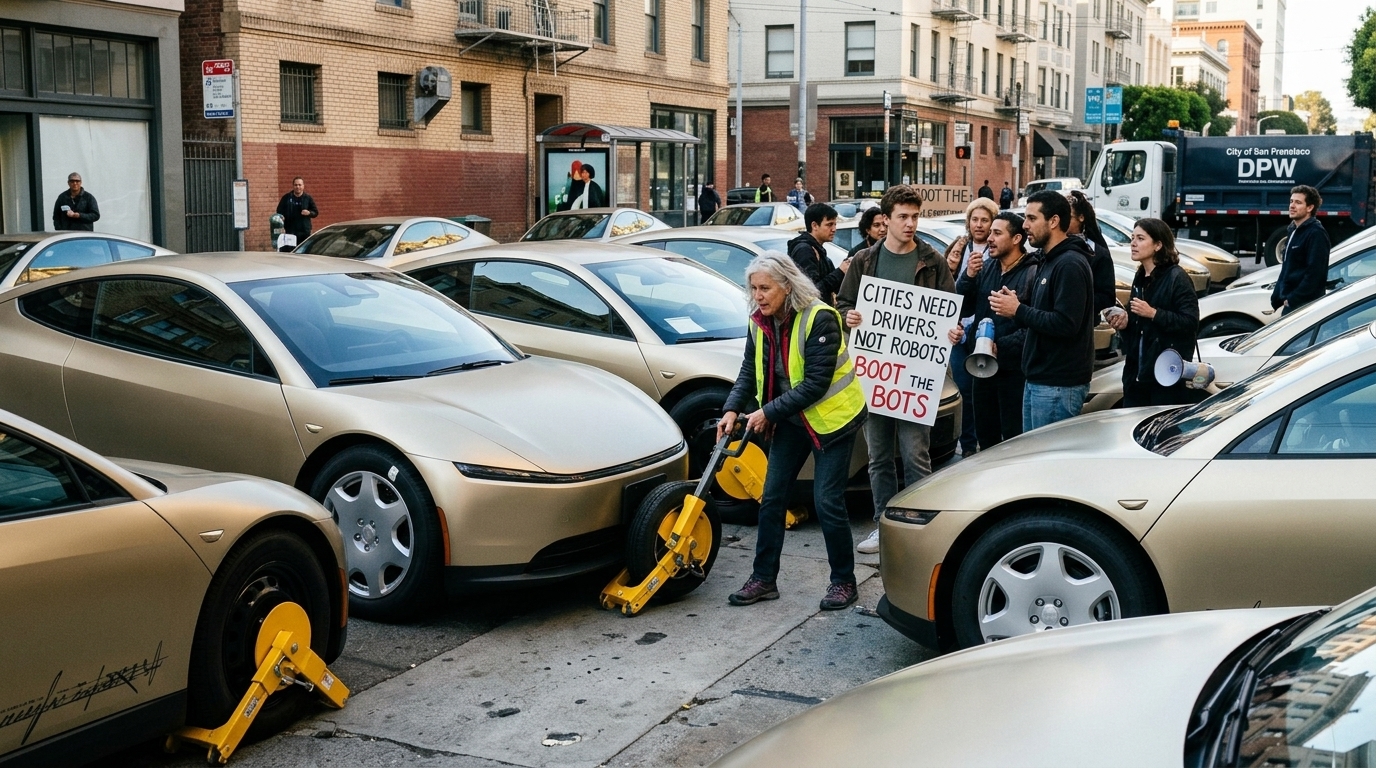
As Congress remains stalled on high-level legislation, cities are flexing their authority over street operations to impose restrictions. Minneapolis is considering an ordinance to require human monitors inside vehicles, a move that would effectively ban driverless operations. In San Diego, the city council is seeking to block Waymo from the airport, while in Austin, firefighters have voiced concerns over the Tesla Cybercab’s lack of steering wheel and pedals, which complicates emergency response protocols.
Bipartisan Pushback
Resistance to robotaxis is no longer confined to traditionally "blue" cities like New York or Chicago. Even "red" states, including Kentucky, Oklahoma, and South Dakota, are mulling tighter regulations. In tech-friendly California, lawmakers are introducing bills to grant cities direct authority to limit fleet sizes or enact local permit bans.
The Industry’s Strategic Shift
To hedge against these obstacles, companies like Waymo and Uber are looking toward international markets such as London, Tokyo, and Dubai. Simultaneously, the industry is spending heavily on lobbying—Uber and Waymo have spent over $15 million in New York alone—to push for state-level preemption laws that would prevent individual cities from banning the technology.
- Tesla was forced to rename its "Full Self-Driving" software to "Assisted Driving" in the EU to gain approval.
- Some municipalities are using zoning and noise ordinances to restrict 24-hour robotaxi charging hubs.
- Industry groups are aggressively seeking federal preemption to create unified standards and bypass local hurdles.