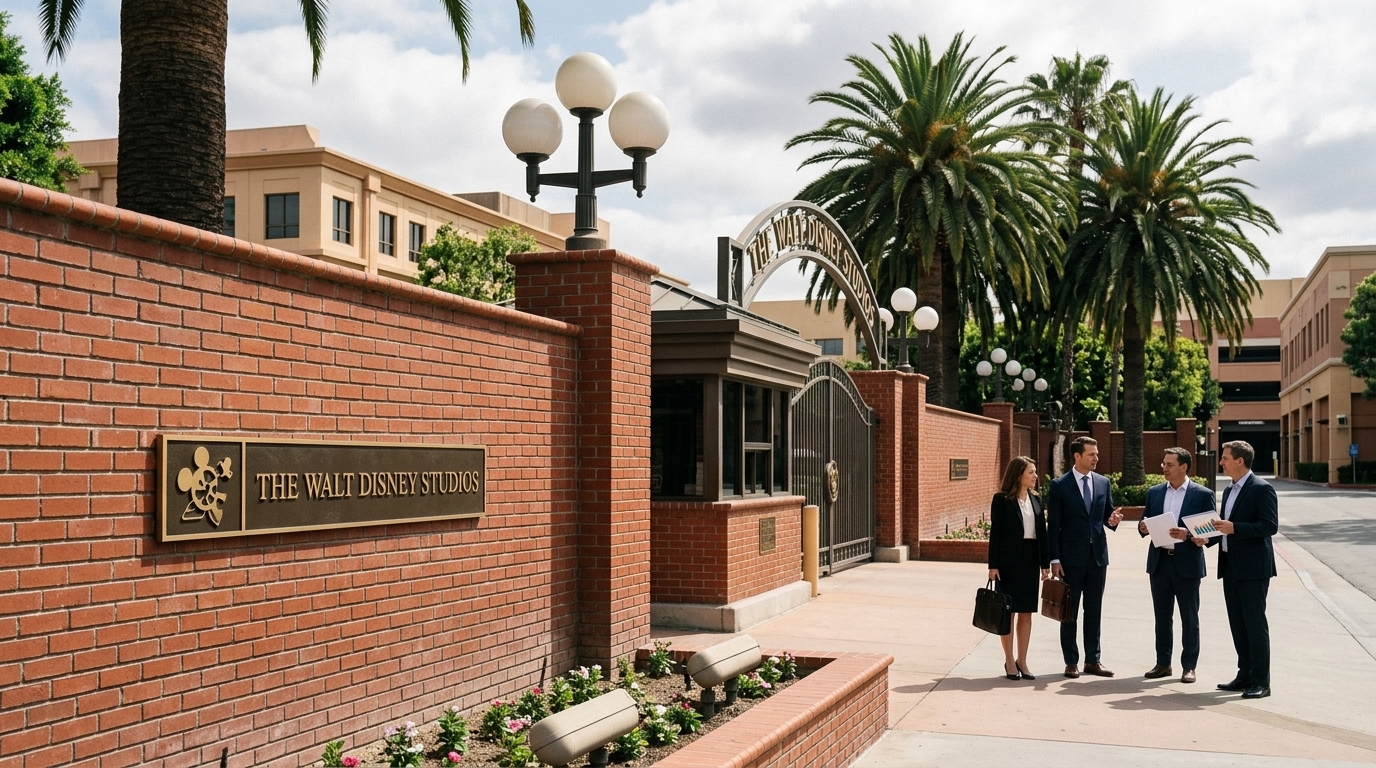
Character.AI declared bankruptcy this week, a move that court filings reveal is a calculated component of a deal with Disney. The entertainment giant is moving to absorb the startup’s talent and intellectual property while insulating itself from the legal firestorm surrounding the company’s chatbots.
The Mechanics of a 'Reverse Acquihire'
The deal is structured as a sophisticated "reverse acquihire," designed to strip the target company of its value before it collapses. In September, Disney paid $5.5 million and hired the majority of Character.AI’s workforce, including former CEO Karandeep Anand. Following the Chapter 11 filing on October 12, Disney now aims to secure a perpetual, worldwide license for the startup’s core technology—including its trust and safety stack—for an additional $12.5 million.
Legal Liabilities and Safety Allegations
Central to Disney’s strategy is a proposed "363 Free and Clear Order." This legal maneuver is intended to ensure that Disney is not viewed as a successor to Character.AI, leaving the bankrupt "husk" of the company to face ongoing litigation and regulatory investigations. Currently, a coalition of 46 states is investigating allegations that Character.AI’s bots encouraged minors to engage in self-harm and violence.
- Disney hired most employees prior to the bankruptcy filing.
- The IP license will be auctioned off, with Disney as the primary bidder.
- 46 states are involved in a multistate investigation into safety failures.
While Disney seeks to acquire the "brains" of the operation, experts like law professor John Newman warn that this structure allows corporations to exercise control without responsibility. This case mirrors a previous deal between Google and Character.AI, though Google was ultimately unable to escape liability in cases involving teen safety.