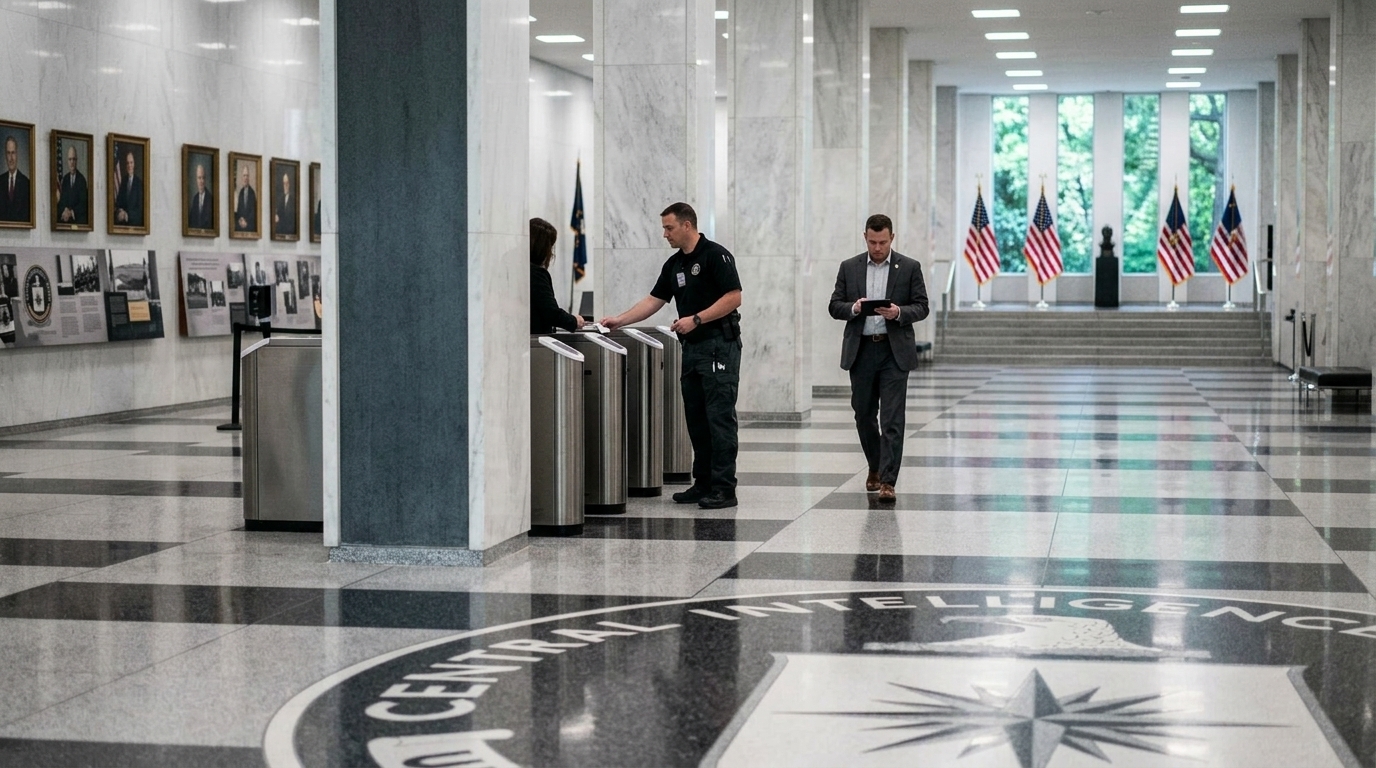
In 1986, Steve Jobs was at a crossroads. Ousted from Apple, he was struggling to build NeXT, envisioning computers that would revolutionize science. However, his perfectionism was costly, and sales were stagnant. The solution arrived from an unexpected source: the CIA.
The Secret Order of 20,000 Computers
According to a report by the Wall Street Journal, executives from the CIA’s “Program B”—a classified satellite reconnaissance program—identified NeXT’s potential. Despite the company’s financial fragility, agents saw Jobs’ workstations as the ideal tool for processing satellite data.
The CIA, operating through intermediaries and the NSA, ordered 20,000 computers. For Jobs, this wasn’t just a contract; it was a lifeline that granted him approximately five extra years to mature his technology. Jobs himself obtained top-secret clearance to visit classified facilities, though he reportedly told agents: “Don’t tell me anything I shouldn’t know, because I won’t remember to forget it.”
From Satellite Espionage to the iPhone
The NeXTcubes were utilized by the National Reconnaissance Office to analyze images from spy satellites, allowing analysts to detect troop movements or missile silo construction in real-time. However, the greatest legacy of this partnership was the software.
The NEXTSTEP operating system, developed during this period, was the primary catalyst for Apple’s acquisition of NeXT in 1996. This software evolved into the foundation of macOS and, eventually, iOS. Without the state support that kept NeXT afloat, Jobs might never have returned to Apple to create the iPhone.
The Return of the Alliance
This story highlights the deep-seated roots between Silicon Valley and the defense complex, a relationship that is currently intensifying. As the Pentagon reinvests heavily in AI and drones, the case of NeXT serves as a reminder that the greatest technological revolutions often begin within the shadows of classified contracts.