

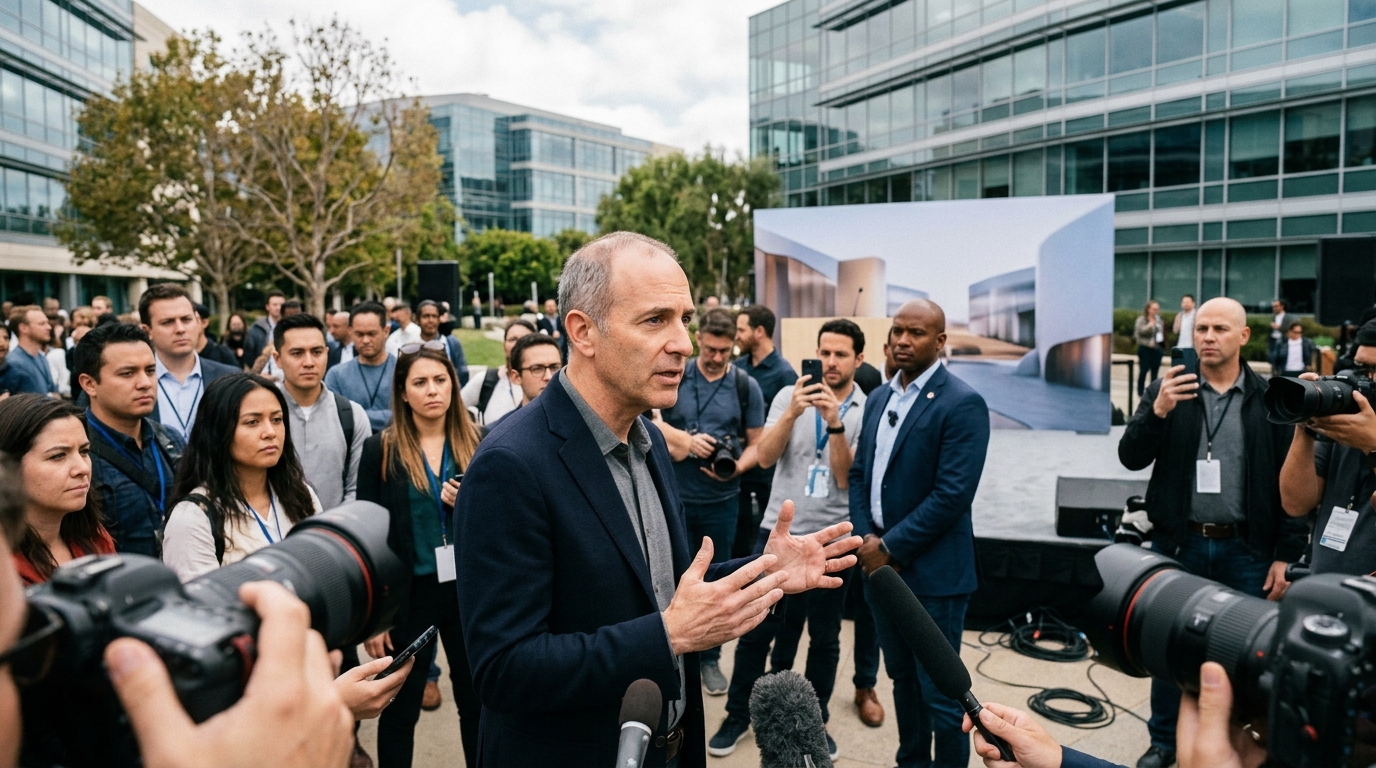
In a move that has sent shockwaves through Silicon Valley, Apple has filed a major lawsuit against OpenAI, the creator of ChatGPT. The allegations are staggering: systematic theft of trade secrets related to language model architecture and hardware-specific AI optimization techniques. This legal confrontation emerges just as the two giants appeared to be entering a strategic partnership, with Apple integrating OpenAI’s technology into its latest iOS updates.
The Anatomy of a Corporate Betrayal
According to the filing in a California federal court, Apple alleges that OpenAI engaged in a "calculated and unlawful campaign" to siphon off critical intellectual property. At the center of the dispute is the mass exodus of high-level engineers from Apple’s Machine Learning division to OpenAI over the past 24 months. Apple claims that these employees, prior to their departure, exfiltrated gigabytes of proprietary data, including algorithms designed to maximize energy efficiency when running Large Language Models (LLMs) on mobile hardware.
Apple, long defined by its culture of secrecy and vertical integration, asserts that OpenAI utilized these secrets to bypass years of R&D. The goal, according to the lawsuit, was to accelerate OpenAI’s development of on-device AI models—a space where Apple’s upcoming "Apple Intelligence" aims to dominate. The irony is palpable: the partner Apple chose to bolster its AI offerings is now accused of stealing the very blueprints of its host.
Poaching or Plundering?
The lawsuit provides a granular look at how OpenAI, under CEO Sam Altman, allegedly targeted individuals working on Apple’s highly confidential "Project Crystal." This project was reportedly focused on building a hybrid AI infrastructure that seamlessly transitions between local and cloud processing without compromising user privacy. Apple’s legal team argues that OpenAI didn't just hire talent; they purchased "a decade’s worth of innovation roadmap."
- Breach of non-disclosure agreements by former key personnel.
- Direct implementation of stolen code into ChatGPT’s mobile optimization layers.
- Unfair competition through the exploitation of Apple’s internal strategic benchmarks.
OpenAI has fired back, dismissing the claims as "baseless." In a brief public statement, a spokesperson suggested that Apple is using the legal system to stifle competition and mask its own perceived late entry into the generative AI race.
Broader Implications for the AI Industry
This litigation is expected to be a multi-year marathon with implications far beyond the two companies involved. It raises fundamental questions about intellectual property in the age of neural networks. If Apple prevails, it could set a restrictive precedent for talent mobility in the tech sector, effectively locking in expertise within the walls of Big Tech. Conversely, an OpenAI victory would signal that the traditional concepts of trade secrets are increasingly porous in the fast-moving world of machine learning.
"This is not merely a corporate spat. It is a fundamental conflict over who owns the 'weights and measures' of the next era of computing," says a prominent legal analyst.
Apple is seeking unspecified but "substantial" damages and, more critically, a permanent injunction. Such an injunction could legally bar OpenAI from using any technology derived from the alleged stolen secrets, potentially forcing a significant rollback of features in ChatGPT’s mobile and desktop applications. As the legal machinery begins to grind, the tech world watches with bated breath, knowing that the outcome will redefine the rules of the AI revolution.





