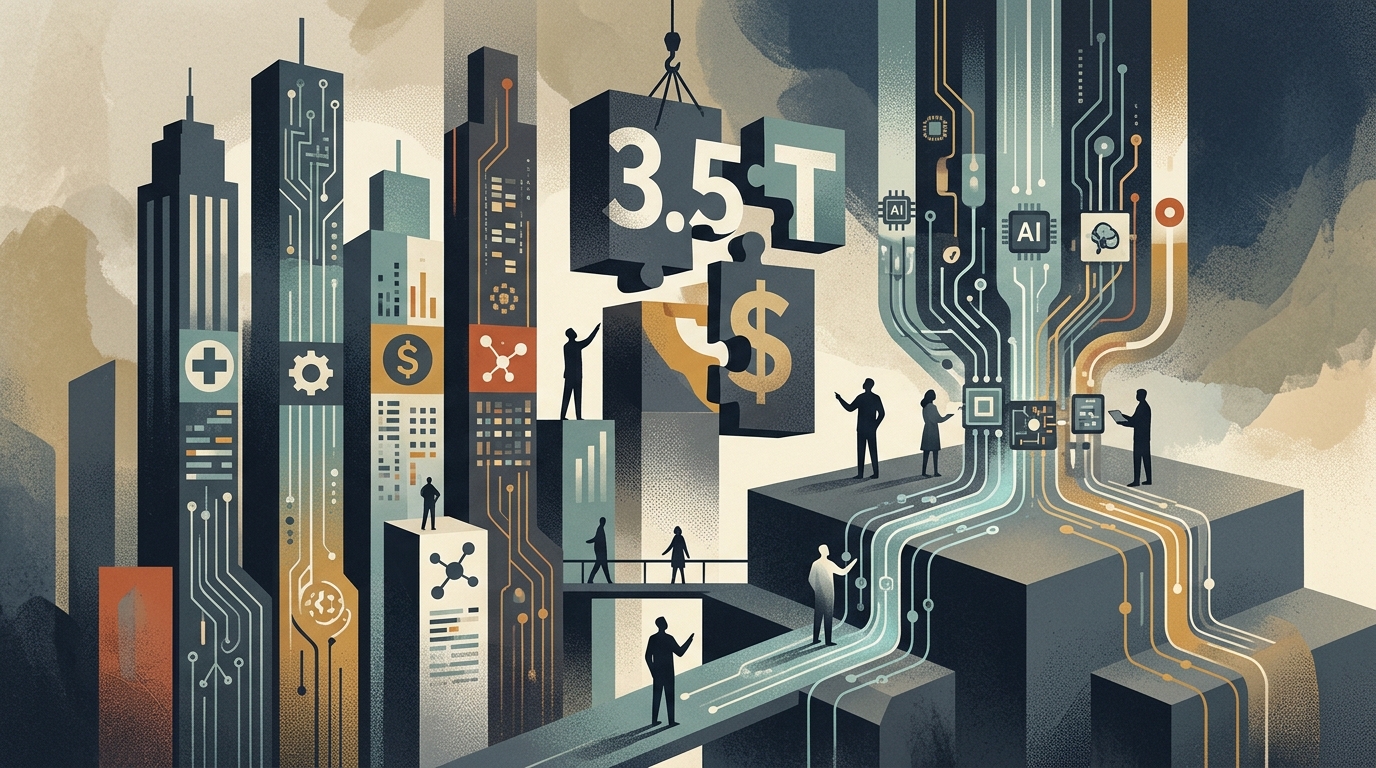
The global business landscape is currently undergoing a structural realignment where artificial intelligence is no longer a speculative asset but a core performance catalyst. According to the 2025 Altrata report, billionaire wealth has surged to a historic $15.1 trillion, a 12.8% increase driven largely by the 'AI narrative.' Notably, firms investing at least $30 million in AI over the last five years have outperformed their peers by 23% in market capitalization growth. However, this concentration of wealth—with 29 'superbillionaires' now controlling 27% of the total—comes with heightened volatility and intense legal friction, as seen in the ongoing trade secret battles between Apple and OpenAI.
Greece’s Strategic Infrastructure Play
In the domestic market, the 2nd N-TIF Forum in Thessaloniki has outlined a roadmap for Greece’s productive transformation. Northern Greece is being positioned as a strategic logistics and energy hub for Southeast Europe. This is supported by major infrastructure projects and a decisive digital leap. Minister Dimitris Papastergiou announced the definitive abolition of physical certificates and the imminent activation of the 'Daedalus' supercomputer in late September. These moves, combined with fiber-optic connectivity to the Arab world, aim to transition the Greek economy from a bureaucratic model to a high-tech destination for international investment.
Global Trade Imbalances and the 'China Shock 2.0'
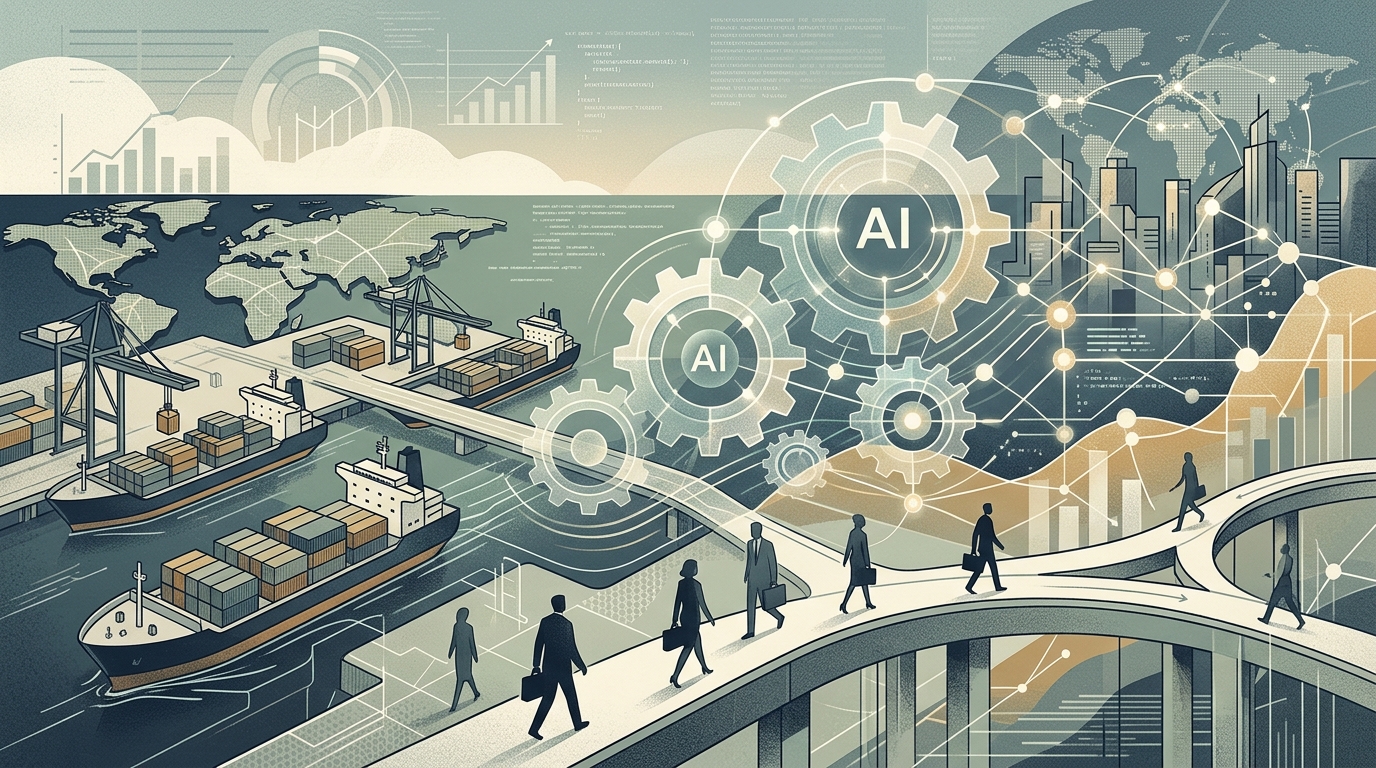
While technology drives internal efficiency, the global trade environment faces a 'breaking point.' China’s export-led model produced a record $1.2 trillion trade surplus in 2025, growing three times faster than global goods trade. This 'China Shock 2.0' targets capital-intensive industries, with Chinese firms leveraging subsidies to price products 30% lower than international rivals. For Greek and European businesses, this necessitates a focus on 'strategic autonomy' and the adoption of frameworks like the Corporate Language Model (CLM) to move beyond brittle AI applications toward executable, firm-specific intelligence. Furthermore, the adoption of International Labour Convention 193/2026 marks a historic step in regulating the platform economy, ensuring that algorithmic transparency and decent wages become the new standard for the modern workforce.