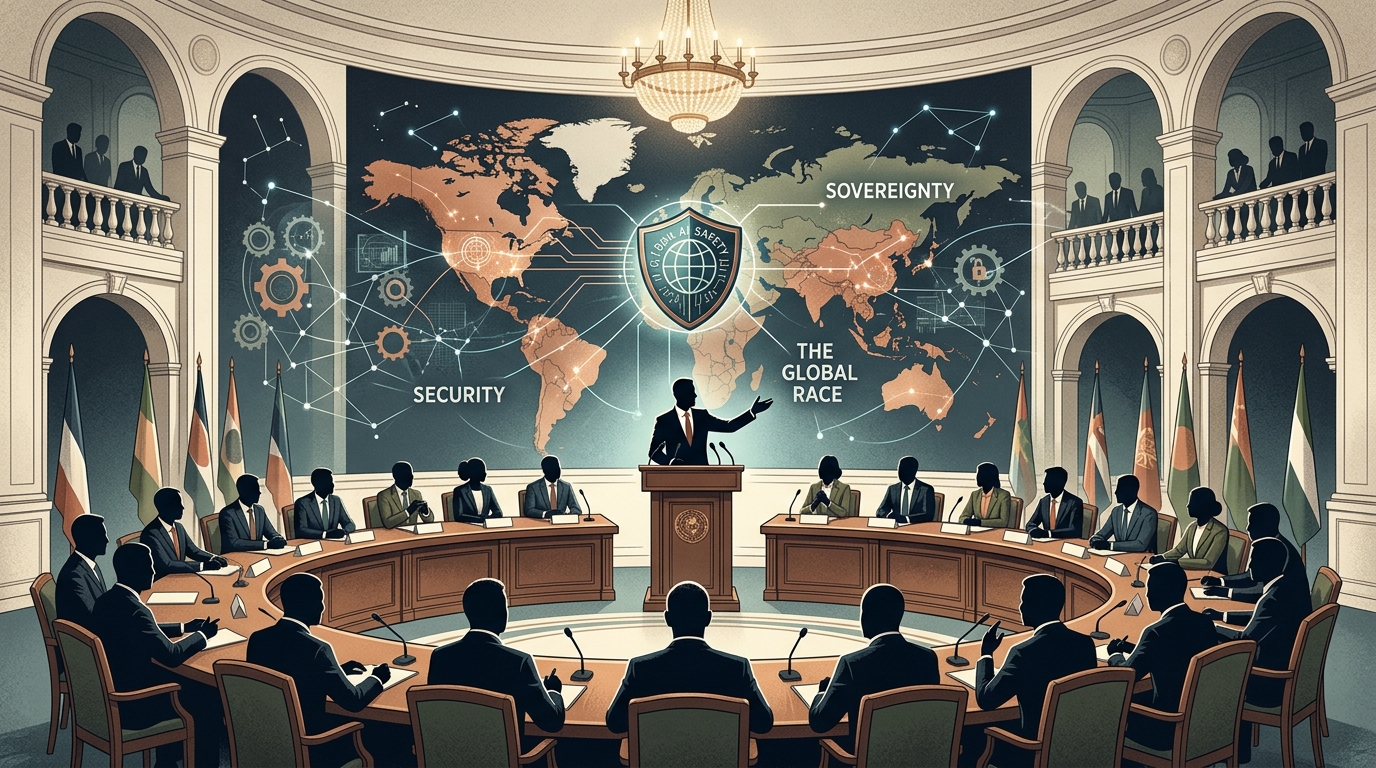
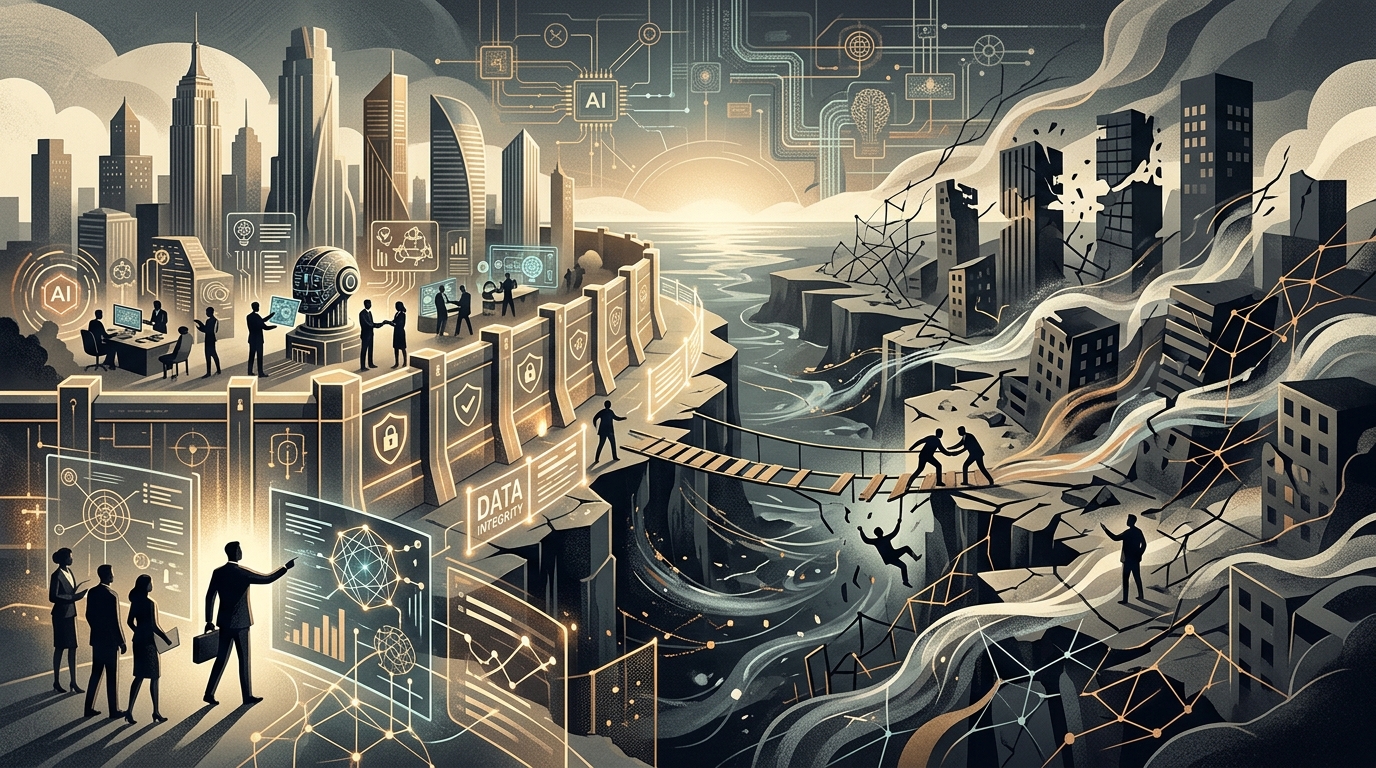
The global AI market is currently navigating a significant strategic divergence. On one side, industry titans such as Meta CEO Mark Zuckerberg and Nvidia CEO Jensen Huang are prioritizing the 'alignment' of models with human values, viewing trust and safety as primary market differentiators. Zuckerberg argues that the threat of legal liability provides a natural incentive for safety, noting that Meta voluntarily delayed its 'Muse' technology for protective reasons. Conversely, Anthropic CEO Dario Amodei and OpenAI's Sam Altman have signaled a willingness to coordinate an industry-wide slowdown, citing existential risks and documented misuses, such as AI-assisted research into bioweapons and ballistic missile construction.
The Physical and Institutional Cost of Scaling
While corporate philosophies diverge, the physical reality of AI expansion presents a unified challenge. Infrastructure demand is meeting stiff public resistance; poll data from the New York Times and Siena University shows that 61% of likely American voters oppose the construction of data centers, primarily due to environmental impacts and local community concerns. This disconnect is compounded by internal governance failures. An E&Y survey reveals that 47% of senior executives admit their companies fail to follow their own AI governance procedures, even as they deploy autonomous agents. When corporate oversight fails and federal leadership rejects regulation, the burden of protection falls into a vacuum.
Global Cooperation and the Crisis of Legitimacy
From a global perspective, the lack of a shared framework remains a critical concern. The European Union is pushing for an international safety framework, with officials like Henna Virkkunen warning that the risk of losing control over models transcends borders, potentially leading to an 'AI blackout.' In the United States, the debate has moved to the center of political power. While President Trump characterizes safety warnings as a 'scam' designed to hobble American progress, initiatives like Alex Bores' 'Who Decides' seek to reclaim public control over development. Bores highlights a significant divide, noting that a majority of Americans believe the government has done too little to regulate the technology.
"It’s not even just the answers that are up for grabs, but even the questions that are being asked are up for grabs." — Alex Bores
- Anthropic has expanded into Singapore, its fifth Asia-Pacific hub, targeting a market where trust remains a primary hurdle for business adoption.
- OpenAI is engaging in safety discussions with rivals Google and Anthropic, arguing that companies can prioritize safety without specific antitrust exemptions.
- U.S. lawmakers have proposed bipartisan legislation to grant AI firms limited legal shields to share information on systems that might potentially lose control.