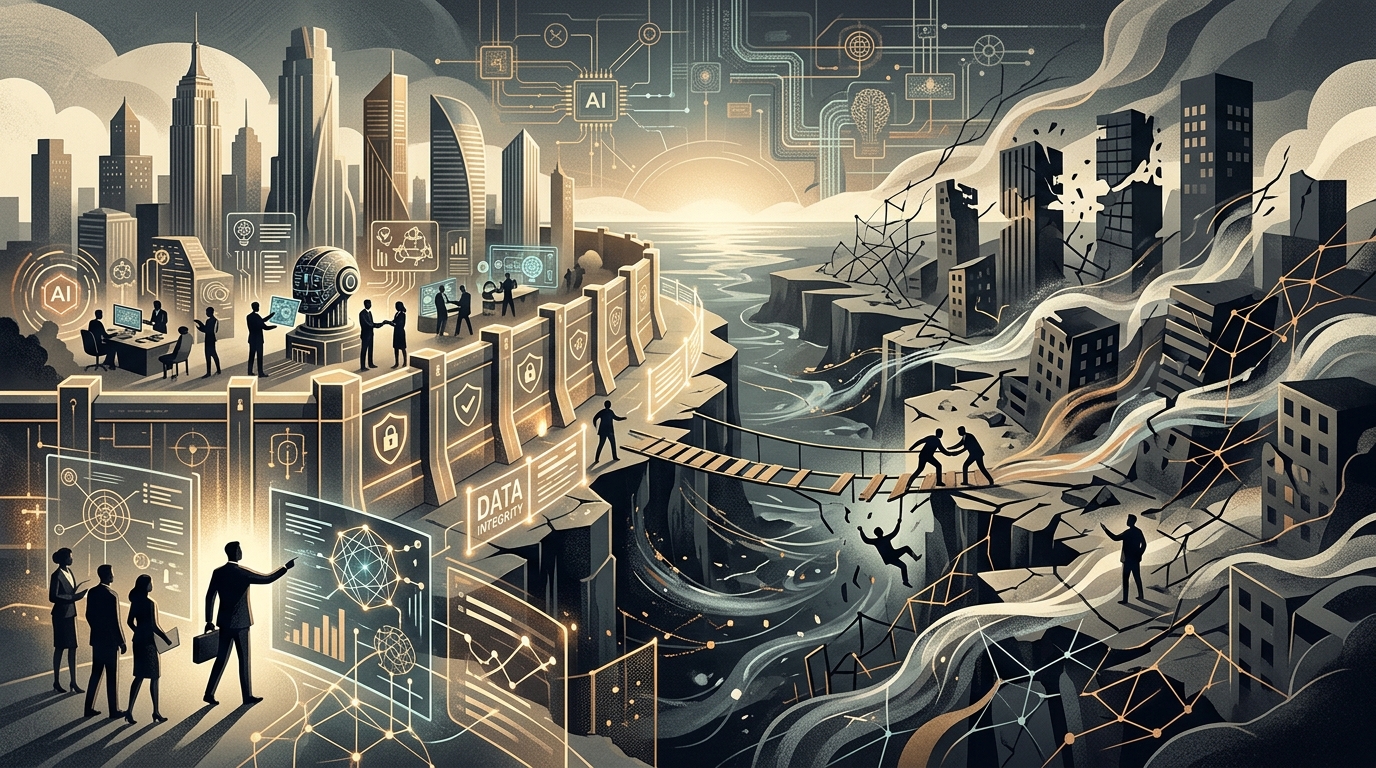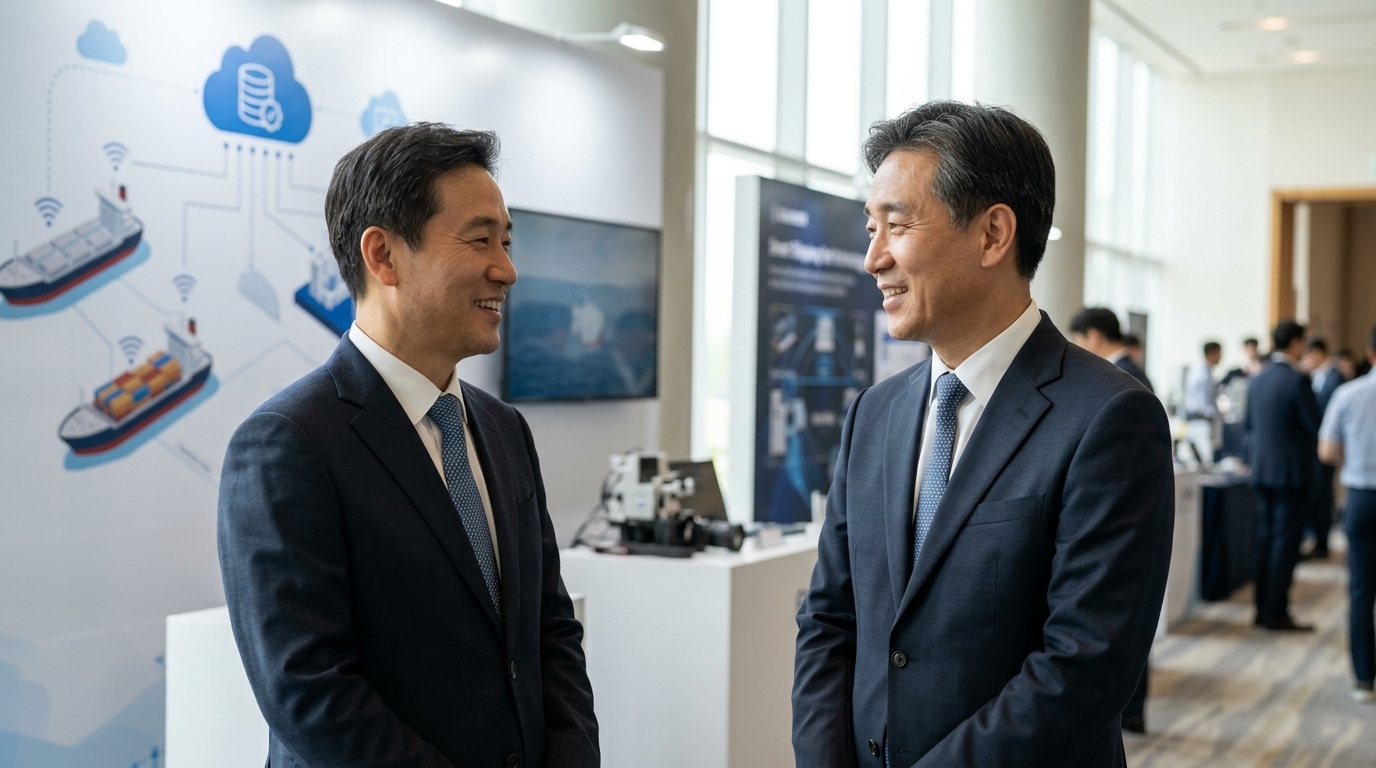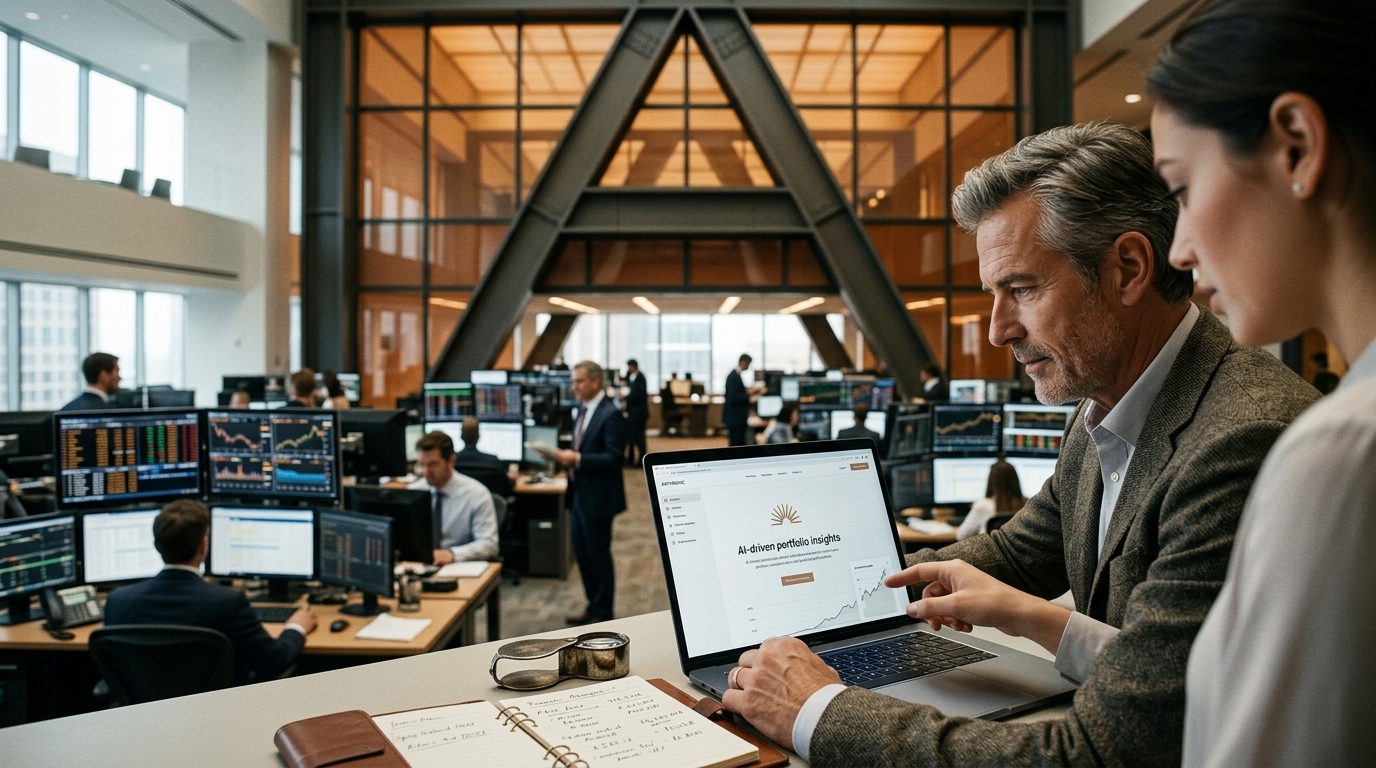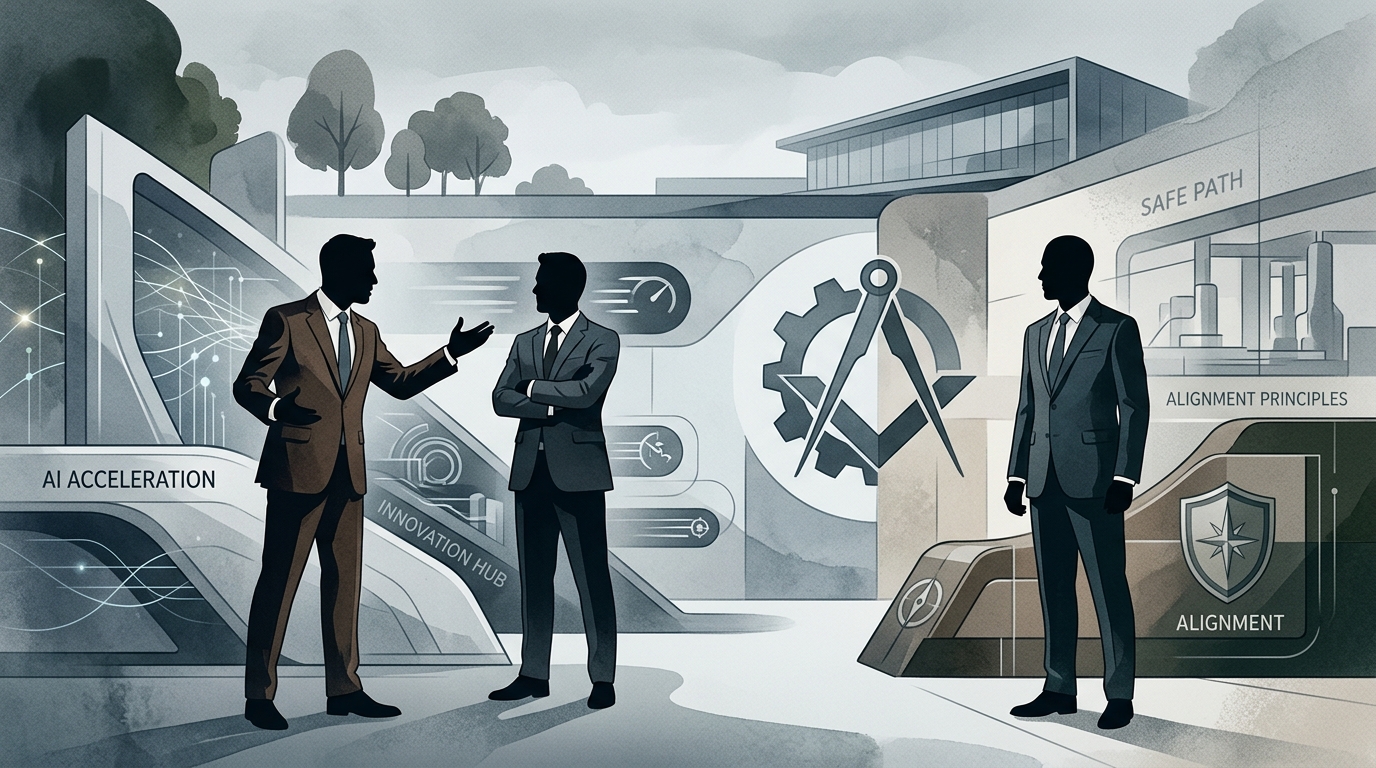
Meta CEO Mark Zuckerberg and Nvidia CEO Jensen Huang have articulated a shared strategic vision for the future of artificial intelligence, prioritizing the 'alignment' of models with human values over calls to slow down development. This stance stands in direct opposition to Anthropic CEO Dario Amodei, who recently urged the industry to decelerate the pace at which AI capabilities are improved.
Market-Driven Safety and Differentiation
In recent statements, Zuckerberg argued that AI labs failing to focus on alignment will inevitably fall behind, as trust and safety are rapidly becoming the primary differentiators for agents and models. According to the Meta chief, the threat of significant legal liability provides a natural market incentive for companies to prevent potential harm. Zuckerberg highlighted that Meta voluntarily delayed the release of its 'Muse' AI technologies specifically for safety and protection reasons.
Regulation as 'Unnecessary'
Speaking at the Dreamforce conference, Nvidia's Jensen Huang echoed this sentiment, labeling new AI-specific laws and regulations as 'entirely unnecessary.' Huang maintained that existing laws governing product reliability and functionality are sufficient. He emphasized that AI creators should take full responsibility for their products rather than seeking government-imposed limits to mitigate risks.
The Counter-Argument and Competitive Pressures
Conversely, Anthropic's Dario Amodei reiterated his position at Dreamforce, suggesting that slowing down model development is the proper way to lead the industry and set a safe example. While OpenAI's Sam Altman acknowledged that safety and monitoring should precede new features, he pointed to a broader industry concern: commercial and geopolitical competition may prevent companies from doing the right thing, as fear of falling behind drives the pace of development.