
The $1 Trillion Infrastructure Paradox
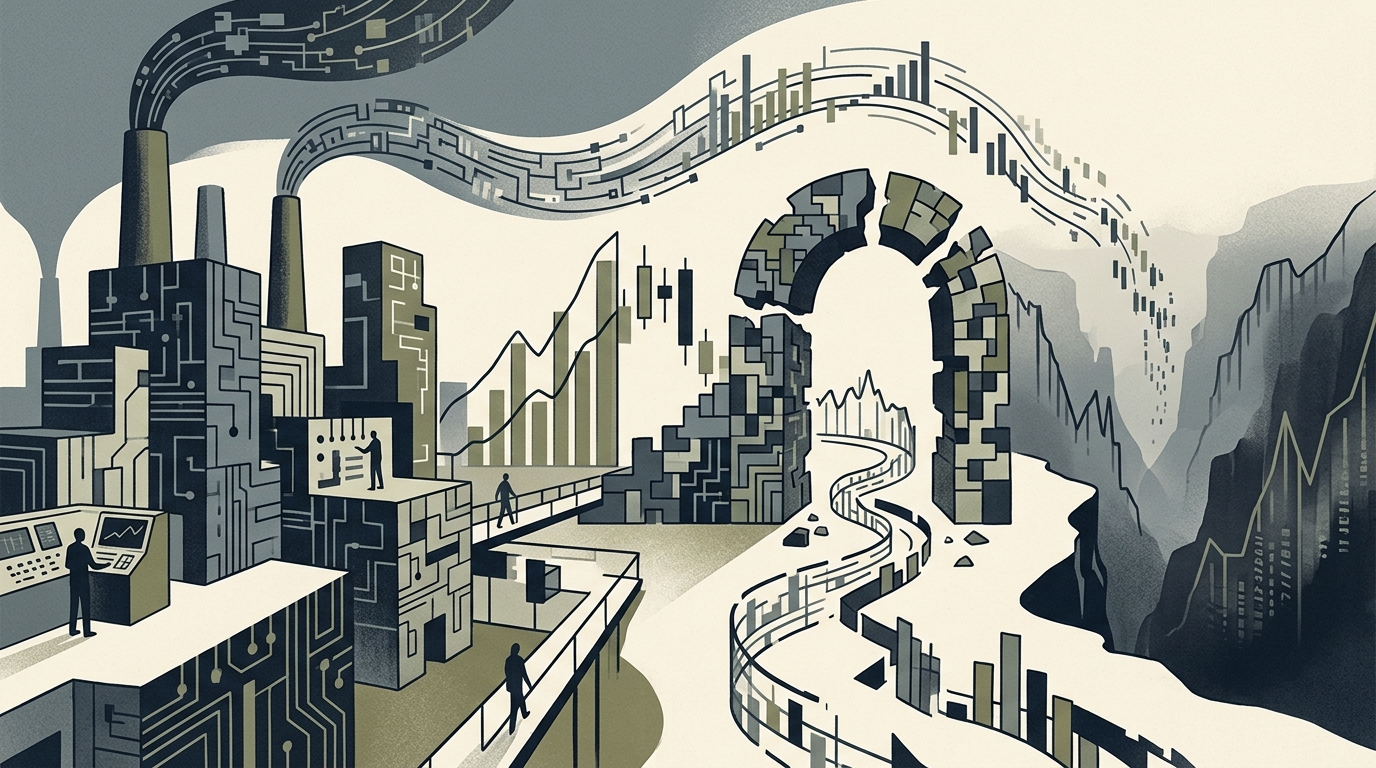
The global business landscape is currently defined by a massive acceleration in technology infrastructure spending. US GDP growth forecasts for the third quarter of 2026 have been revised upward to 2.5%, primarily fueled by an AI investment surge. Total capital expenditures in this sector are projected to surpass $1 trillion within the year, climbing to over $1.5 trillion in 2027. However, this growth reveals a striking divergence: while GDP expands, job creation estimates have been trimmed to just 66,000 per month, suggesting that efficiency, rather than headcount, is the primary driver of this cycle.
This aggressive spending is evident in corporate balance sheets. Alibaba recently reported a 75% drop in net profit as it prioritized $10 billion in quarterly investments for AI infrastructure, including data centers and specialized chips. Furthermore, the AI market is increasingly characterized by high concentration; data shows that OpenAI accounted for approximately 70% of Microsoft’s total AI revenue in the most recent fiscal year, highlighting how technology remains a closed loop among a few major players.
The 'Sovereignty Discount' and Institutional Control
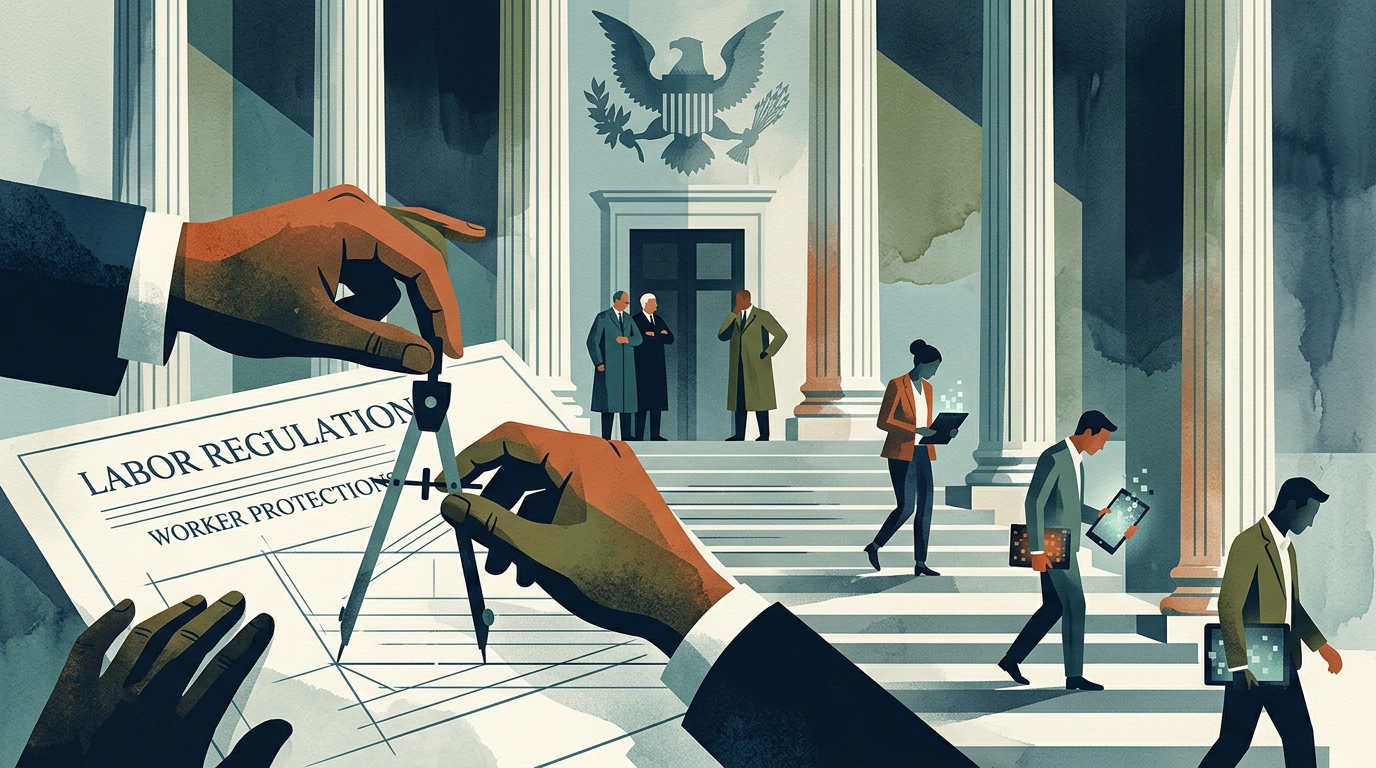
As enterprises integrate frontier models, a new economic reality is emerging: the 'sovereignty discount.' Research into 'bounded sovereignty' suggests that organizations accessing AI through third-party APIs face a 'control tax'—the price paid in reduced safety and compromised oversight. This occurs when regulated entities cannot fully instrument the models they deploy.
"Effective diagnosis and real-time intervention require full interaction logs and pre-execution gateways—capabilities often withheld from the deployer in restricted environments."
This tension is already sparking institutional resistance. In the UK, the Greater Manchester region has refused to adopt the NHS’s $400 million Federated Data Platform provided by Palantir, opting instead for its homegrown system to maintain flexibility and trust. This 'Manchester Rebellion' highlights a growing market trend where public entities weigh the efficiency of global vendors against the risks of being locked into a single foreign provider.
Market Concentration and the Risk of Correction
The strategy of extreme concentration is not limited to infrastructure; it defines the portfolios of the era's most prominent figures. Elon Musk, for instance, maintains a net worth heavily tied to SpaceX—which emerged as his most significant asset following its June 2026 IPO—and Tesla. This "all-in" philosophy mirrors the broader market's reliance on a handful of tech giants.
However, the European Central Bank (ECB) has warned of a potential correction in US tech stocks, noting that roughly €880 billion of European capital is exposed to the "Magnificent Seven." The analysis suggests that even if AI fulfills its technological promises, stock prices may fall if results fail to meet the ultra-optimistic growth rates already priced into current valuations. Unlike previous cycles, high levels of public debt may now limit the capacity for fiscal support if a combined crisis occurs.