In a ruling that appears to be a first for the American judiciary, the Arizona Court of Appeals has vacated a 10-year prison term for manslaughter handed to Gabriel Paul Horcasitas. The appellate decision focuses on the use of an AI-generated video that depicted the deceased victim speaking to the court prior to sentencing.
The 'Imaginings' of a Relative
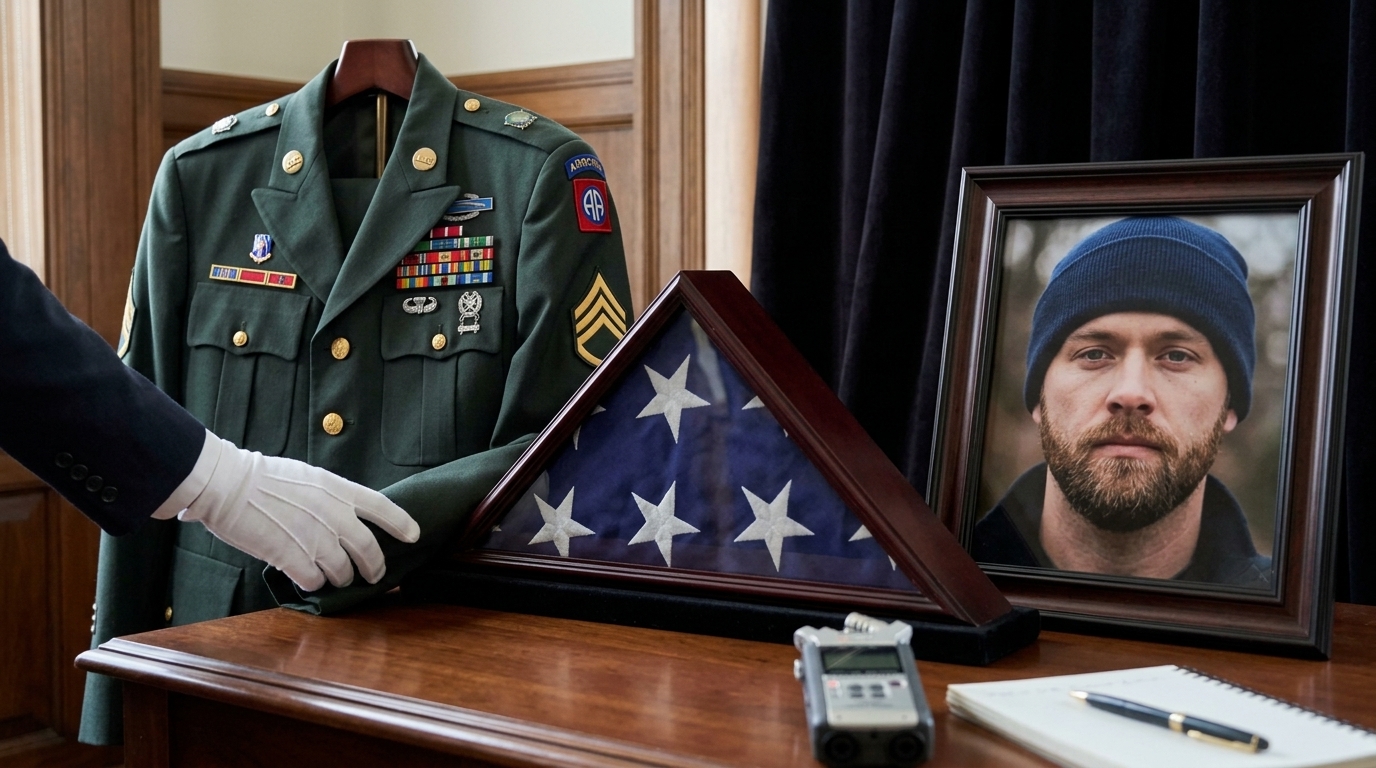
The court determined that the video, presented during a May 2025 hearing regarding the 2021 death of Christopher Pelkey, was unreliable. A panel of three judges noted that the footage did not record a real event but instead offered a portrayal of the victim’s thoughts based on the "imaginings" of his sister, Stacey Wales.
Wales created the video to give her brother a "voice" after finding it difficult to articulate what he would have said. In the AI rendering, Pelkey spoke of forgiveness and remarked that he and Horcasitas might have been friends in a different life. While the family sought to humanize Pelkey, the court ruled the video overstepped by presenting manufactured statements as if they came directly from the victim.
Due Process and Emotional Weight
Defense attorney Kristen Reller argued the footage violated due process, claiming it carried "undue emotional weight" and an air of authenticity that a standard written statement would not possess. Reller also noted that the defense had no meaningful way to rebut the AI-generated content.
The sentencing judge, Todd Lang, had expressed that he "loved that AI" at the time, though prosecutors maintained the video did not influence the final 10-year sentence. Nevertheless, the appeals court found the use of such evidence necessitated a new sentencing hearing.
The case originated from a November 2021 road rage encounter in Chandler, Arizona, where Horcasitas shot Pelkey, who was unarmed. While AI is increasingly utilized for legal research and administrative tasks, its use in victim impact statements represents a new and now legally challenged application of the technology.