Brazil currently possesses a combination of resources that few nations can match: abundant energy, massive food production, and the world's second-largest reserves of rare earths. Despite this, the country risks confirming the cynical adage that it remains the eternal "country of the future," as its present is undermined by political polarization and fiscal instability.
An Energy and Agricultural Giant
According to an analysis by The Economist, Brazil is evolving into an agricultural superpower, expected to surpass the US this year as the world's largest exporter of agricultural products. It already dominates sectors such as beef, coffee, soy, and sugarcane.
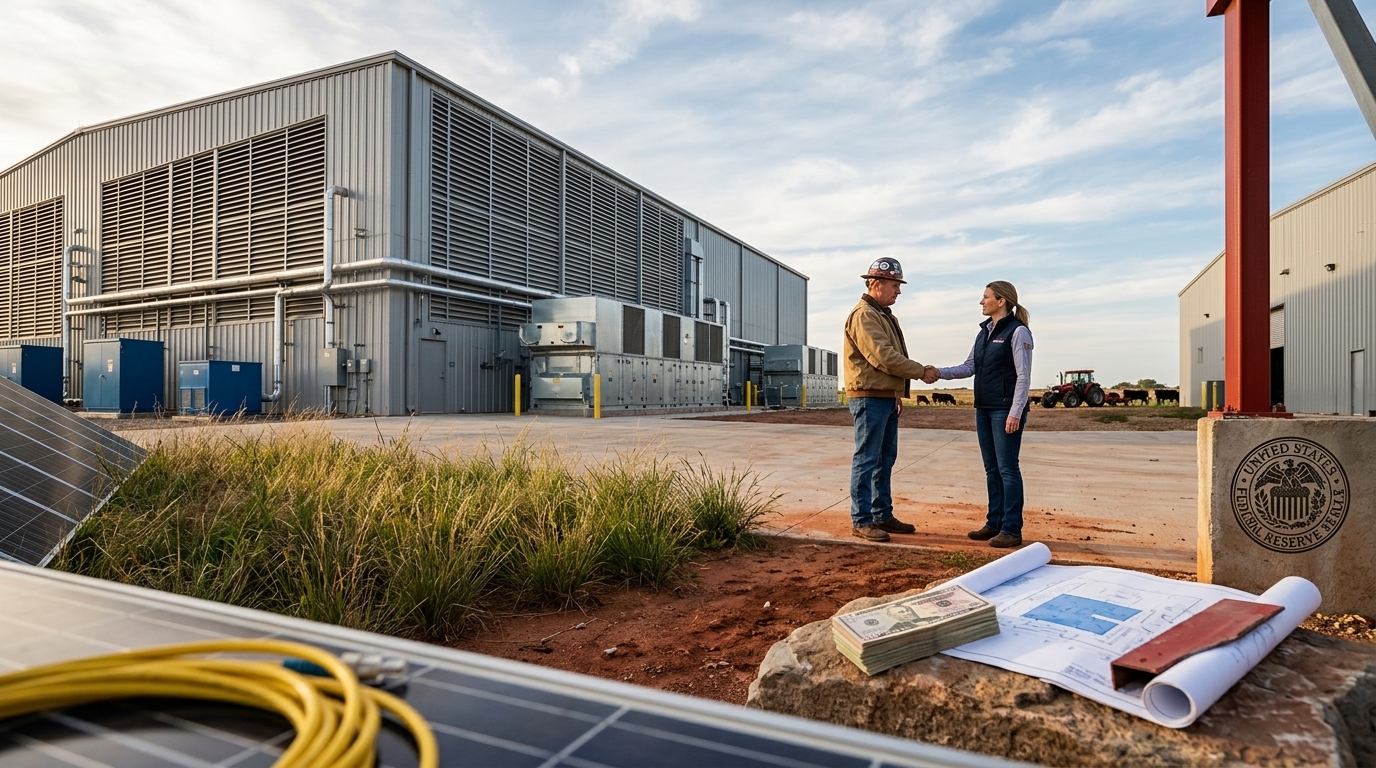
On the energy front, the country combines traditional oil deposits (with new discoveries in the Equatorial Margin) with impressive green infrastructure, as 89% of its electricity is generated from renewable sources. Furthermore, its rare earth reserves make it a strategic partner for the West in its effort to reduce dependence on China.
The Fiscal Trap and Structural Burdens
Behind the wealth lies a grim economic reality. Public debt is approaching 100% of GDP, while the deficit exceeds 9%. Brazil spends 10% of its GDP on pensions—a figure comparable to much older Japan—while 90% of the federal budget is tied up in mandatory spending.
The Economist warns that if the current trend continues, by 2029 there will be no money left for any discretionary government spending. Meanwhile, real interest rates at 9% are stifling growth and increasing corporate bankruptcies.
Political Deadlock and Institutional Crisis
The political scene remains divided between 80-year-old Luiz Inácio Lula da Silva and Flávio Bolsonaro. Lula is criticized for his refusal to implement fiscal discipline, while Bolsonaro, son of the former president, resorts to populist promises.
The situation is worsened by the Banco Master scandal, which revealed links between banking circles and members of the Supreme Court, highlighting a deep institutional deadlock where justice and politics are opaquely interdependent.