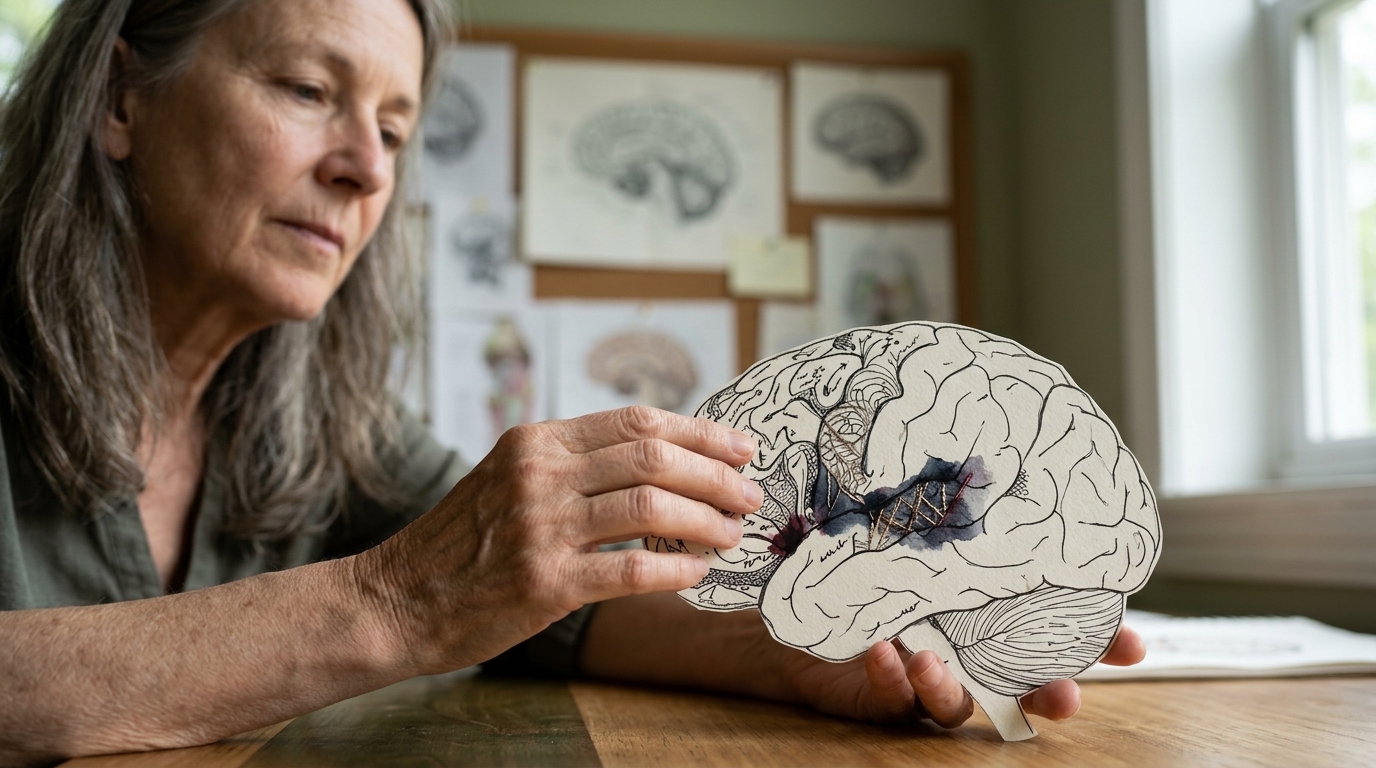
Human brain aging is not a linear decline but a process that unfolds in distinct phases, with a decisive turning point occurring around the age of 50. According to a new study published in the journal Science, major molecular changes appear to accelerate during middle age, affecting immune response and the very structure of genetic material.
The Replacement of Immune Cells
Researchers from Columbia University and the University of California, Irvine, analyzed nearly 320,000 cells from the hippocampus — the region responsible for memory and learning — from 40 individuals aged 20 to 95. The study revealed an unexpected shift in microglia, the brain's resident immune cells.
Between the ages of 50 and 75, original microglial cells are gradually replaced by cells resembling blood-derived monocytes. These replacement cells exhibit stronger inflammatory characteristics and become the dominant population in the brain after age 80. This "immune remodeling" may explain why chronic brain inflammation is so closely linked to Alzheimer's disease.
Energy Crisis and Structural Disorganization
The research brought other critical changes to light:
- Astrocyte Decline: The number of these supportive cells decreases steadily with age, while survivors face an "energy crisis," producing less ATP.
- DNA Architecture: The three-dimensional organization of the genome within cell nuclei gradually disorganizes, affecting how genes interact with one another.
- Gender and Aging: While general patterns are similar, molecular changes showed a stronger correlation with age in men across most cell types.
Despite the study's limitations — relying on post-mortem tissue analysis rather than longitudinal observation — the findings offer a new roadmap for understanding cognitive decline. As scientists point out, mapping these cellular transitions could pave the way for interventions designed to preserve brain function during aging.