Researchers from Stanford University and the Arc Institute in California have achieved an unprecedented milestone in synthetic genomics by using artificial intelligence to design and create functional viruses that do not exist in nature. The study, published in the journal *Science*, opens new avenues for medicine while simultaneously raising alarms regarding the potential development of biological weapons.
The Technology Behind the Creation
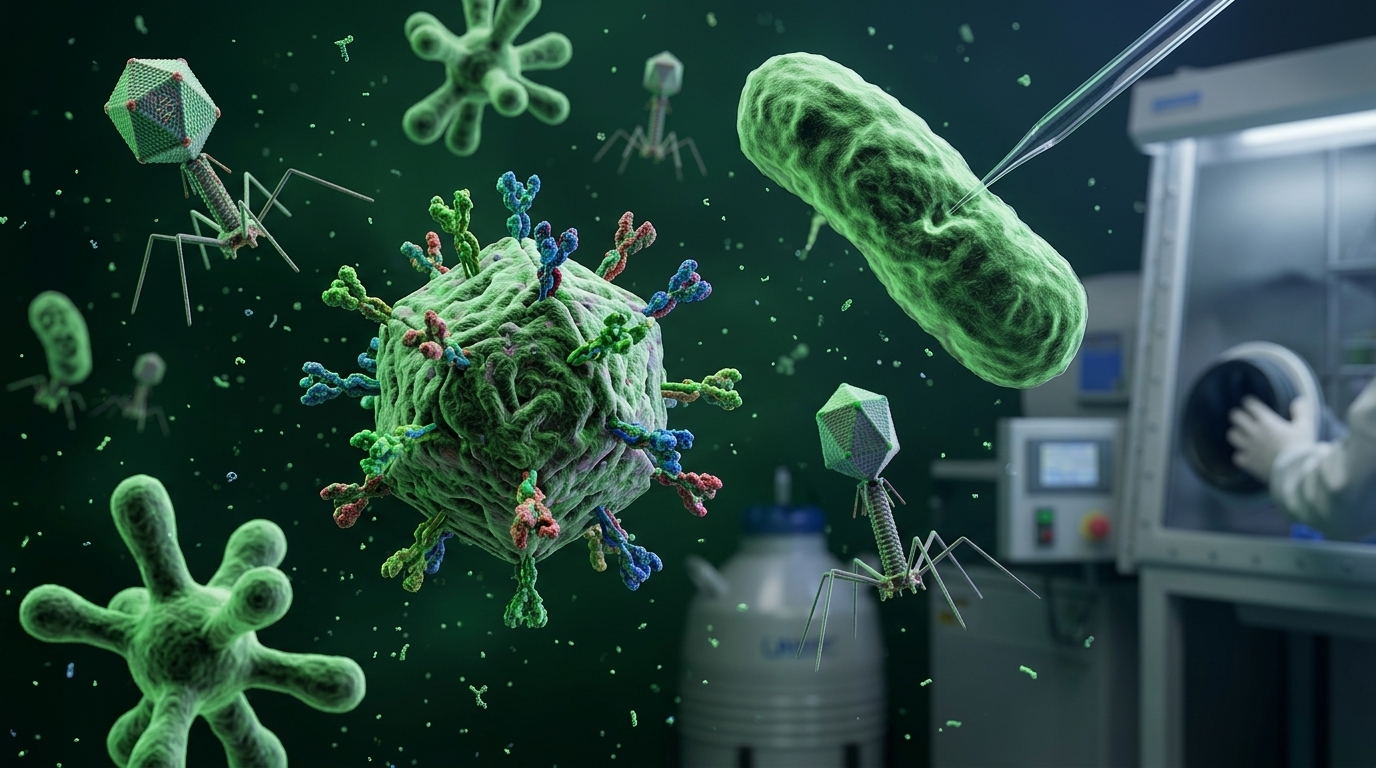
To achieve this, the team utilized an open-source AI model known as Evo. The model was trained on genetic sequences from millions of organisms, including plants, animals, and microbes, while specifically excluding data from viruses that infect humans. By focusing on ΦX174, a bacteriophage that infects E. coli, the AI generated 700,000 potential new viruses. Out of these, 285 were laboratory-tested, and 16 were found to be fully viable.
Therapeutic Potential and Resistance
Dr. Brian Hie, a chemical engineer at Stanford, explained that the creation of these synthetic viruses aims to combat drug-resistant bacteria.
- Bacteriophages can be used in "cocktails" to prevent bacteria from developing resistance.
- The method could be applied to treat tuberculosis and methicillin-resistant Staphylococcus aureus (MRSA).
- AI systems are proving exceptionally effective at identifying patterns in vast volumes of DNA.
Risks and Governance Gaps
Despite the promise, experts from the Johns Hopkins Center for Health Security warn that the ability to synthesize viral genomes via generative AI lacks a necessary governance framework. Concerns over "gain-of-function" research recently led the U.S. National Institutes of Health (NIH) to ban practices that could significantly endanger public safety. However, some scientists, such as Professor Tom Ellis of Imperial College London, argue that modifying existing pathogens remains a greater threat than the complete AI-driven design of new ones.