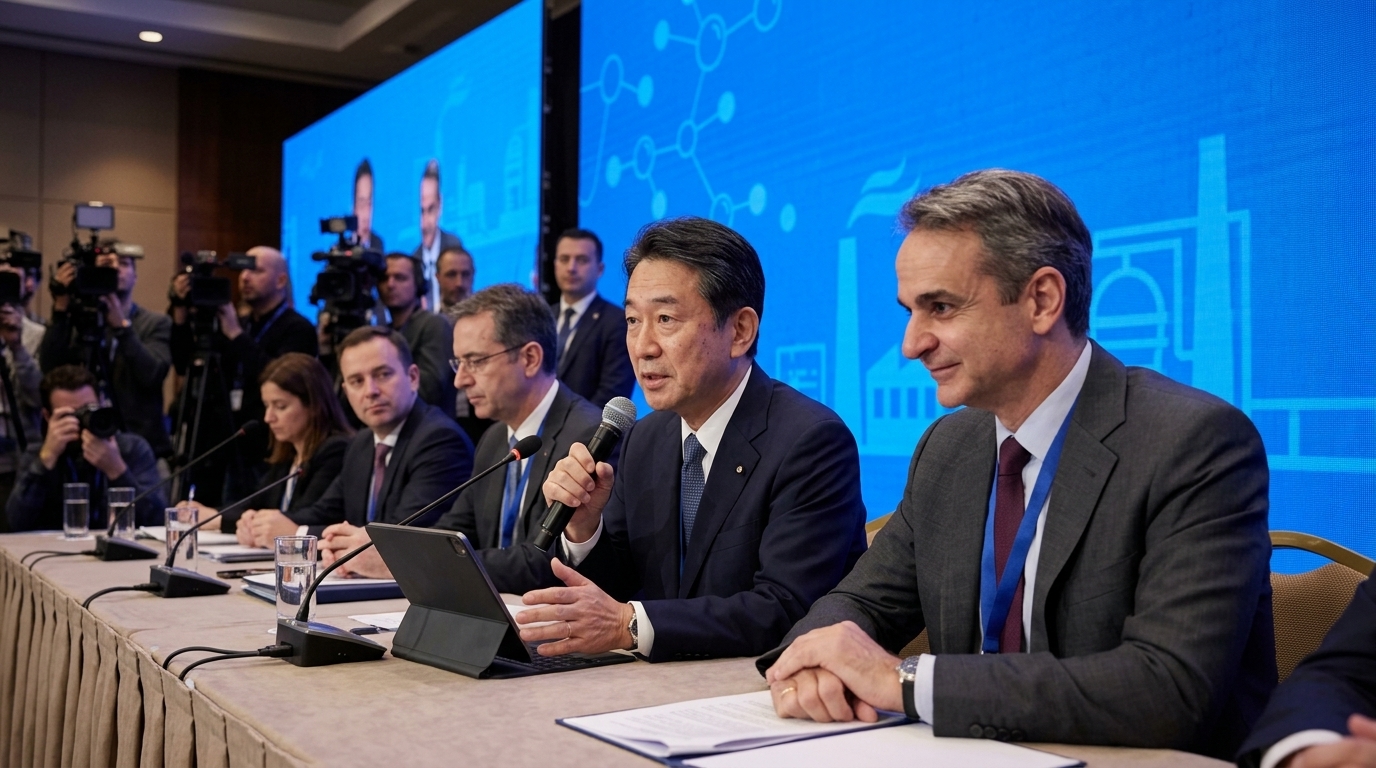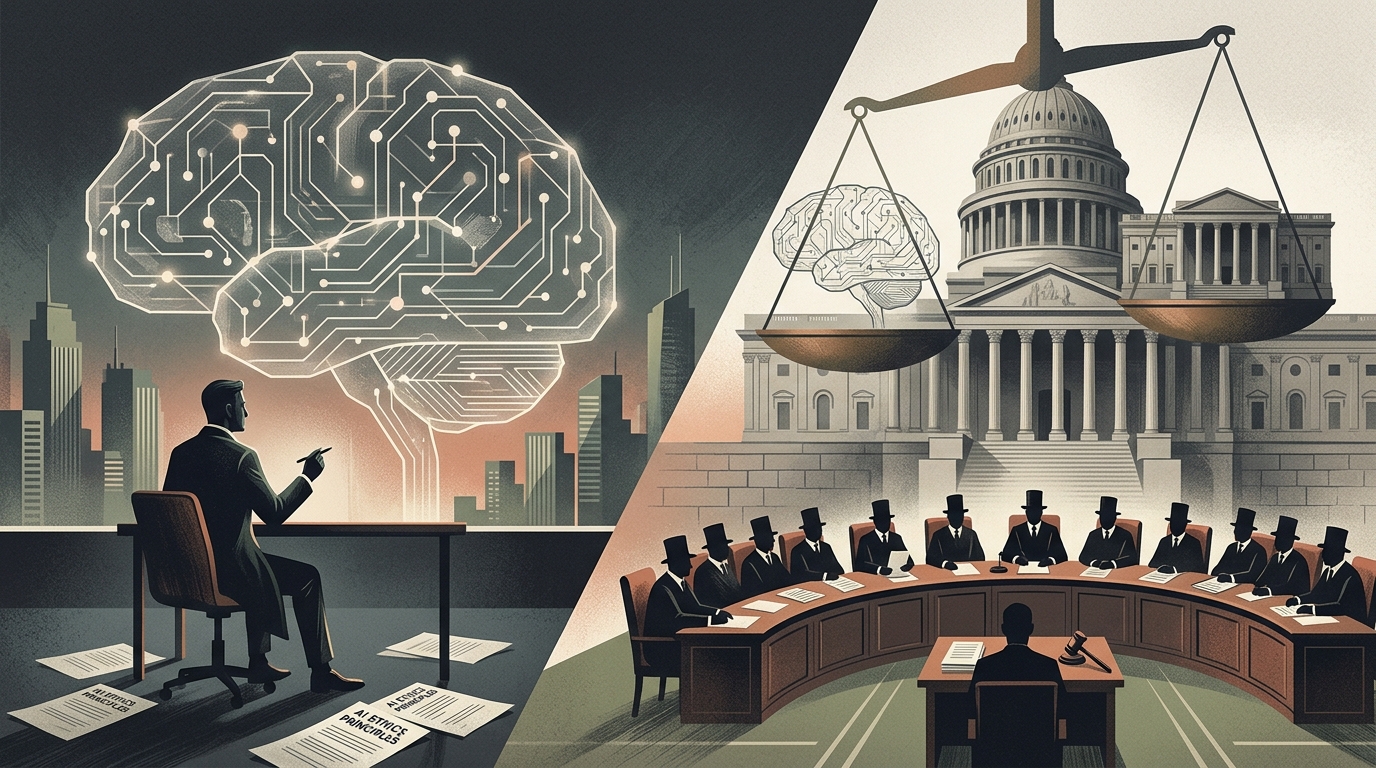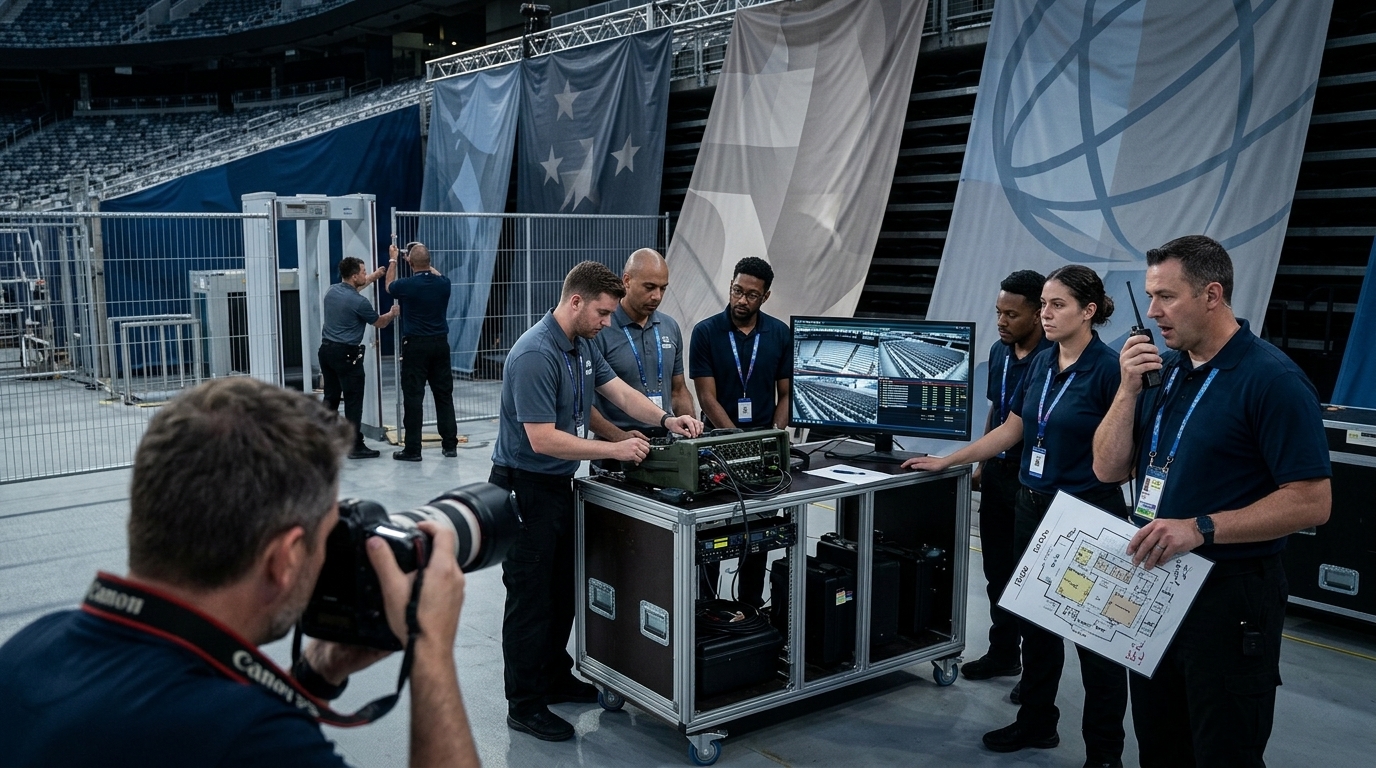
As the United States moves into a summer of celebration and global sporting prestige, a shadowy legislative crisis in Washington threatens to overshadow the joy of millions. The expiration of Section 702 of the Foreign Intelligence Surveillance Act (FISA) has created a void in U.S. intelligence-gathering capabilities just as the nation prepares for two of its biggest events in decades: the 2026 FIFA World Cup and the 250th anniversary of the signing of the Declaration of Independence (America 250).
The Legal Abyss and the National Security Risk
Section 702 is not just a routine provision. It is the cornerstone of modern American counterintelligence, allowing intelligence agencies to collect the communications of foreign nationals located outside the U.S. without the need for an individual warrant. The failure of Congress to renew this provision, amid intense political disputes over privacy protection, has left the NSA and the FBI with their hands tied, according to top officials. "We are rolling the dice with national security," warned a former NSA counsel, emphasizing that the loss of access to real-time data could prove fatal.
The timing could not be worse. The World Cup, co-hosted by the U.S., Canada, and Mexico, represents a "soft target" of massive proportions. With millions of fans moving between cities and billions watching on their screens, the need for proactive deterrence of terrorist acts and cyberattacks is more urgent than ever. The lack of the "early warning" capability provided by Section 702 makes managing these risks a nightmare equation for security authorities.
Political Gridlock and the Shadow of Trump
The crisis surrounding FISA is not only technical but deeply political. Former President Donald Trump, whose influence on the Republican Party remains decisive, has repeatedly called for the program's termination, citing its misuse during investigations into Russian interference in the 2016 election. This stance has created a paradoxical alliance between the hard right and progressive Democrats concerned about civil liberties.
However, the reality on the ground is different. Supporters of the law argue that over 60% of the information included in the President's Daily Brief comes from Section 702. Without it, the ability of the U.S. to monitor the movements of networks like Al-Qaeda, ISIS, or even state actors seeking to sabotage the "America 250" celebrations is drastically reduced. The 250th anniversary, designed as a moment of national unity, now risks turning into a period of heightened anxiety.
The Economic Dimension and International Image
Beyond security, there is the issue of international credibility. The U.S. has committed to FIFA and the international community to host a safe event. A security gap that leads to cancellations or, in the worst case, a serious incident, would have incalculable economic consequences. Investments in infrastructure, tourism, and advertising for the summer of 2026 amount to tens of billions of dollars.
Furthermore, the expiration of the law affects cooperation with foreign intelligence services. The U.S. acts as the central hub for global security data exchange. If American agencies cannot collect or share critical information, the entire international counter-terrorism grid is weakened. As world leaders prepare to visit Washington and Philadelphia for the July 4, 2026 celebrations, uncertainty over the security of their communications and infrastructure is creating diplomatic friction.
Conclusion: Searching for a Middle Ground
The challenge for Congress is to find a balance that allows for the effective monitoring of threats without violating the constitutional rights of American citizens. Proposals for reform, such as requiring a warrant to search for American data within the 702 database, are on the table, but consensus remains elusive. As the clock ticks down to the World Cup kickoff, Washington must decide if ideological purity is worth the risk of a national tragedy on the world's biggest stage.
- The expiration of Section 702 deprives the U.S. of its 'radar' for external threats.
- The 2026 World Cup is the primary target of concern due to its massive scale.
- Internal political disputes are preventing a swift legislative solution.
- The economic damage from a potential security gap could be catastrophic.