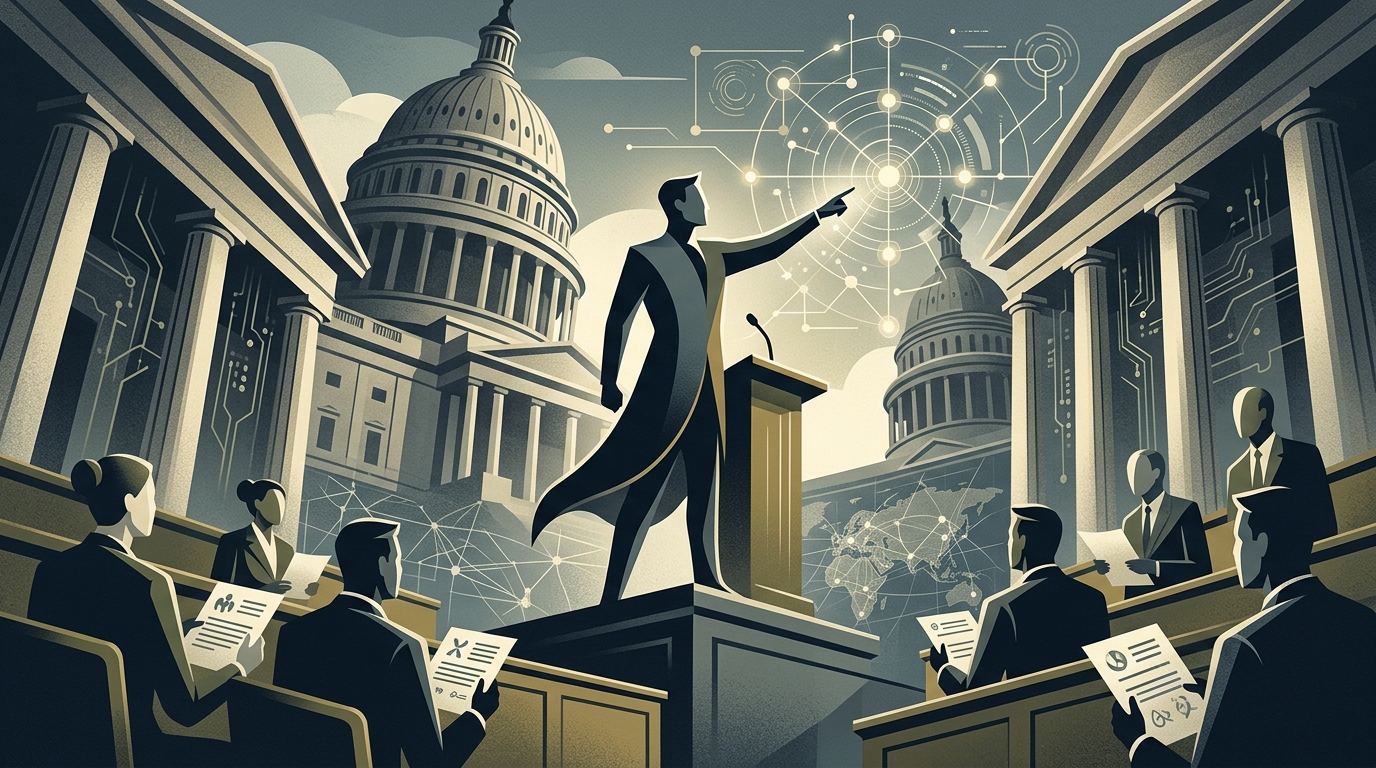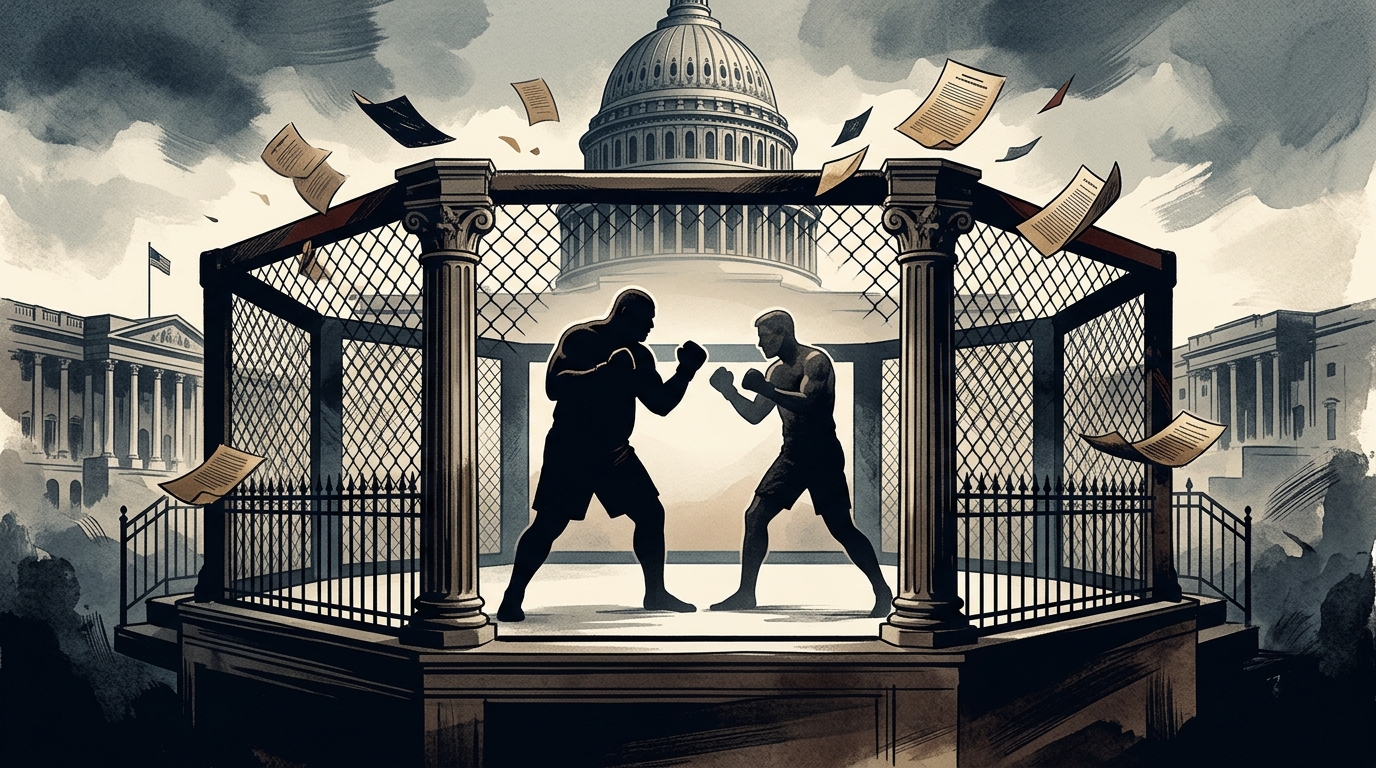
The White House, the iconic building at 1600 Pennsylvania Avenue, has witnessed world history for over two centuries. It has hosted the signing of treaties that changed the world, receptions for kings and leaders, and moments of profound national crisis. However, Donald Trump's recent decision to install a Mixed Martial Arts (MMA) "cage" on the White House grounds or within its halls is a disruption that transcends all previous protocols. This is not merely an event; it is a statement of political aesthetics and strategic communication aimed at the heart of American identity.
A Historical Clash with Tradition
The history of the White House is filled with athletic moments, but always through the lens of "noble competition." Abraham Lincoln was a known wrestler in his time, but his matches took place in fields and local arenas, not the Oval Office. John F. Kennedy promoted physical fitness, and Barack Obama converted the tennis court into a basketball court. But the introduction of a professional octagon—a symbol of raw violence and physical dominance—into the space that symbolizes democratic governance marks a transition from the "athlete-president" to the "gladiator-president."
Critics of this move speak of a "barbarization" of the institution. They argue that the White House should remain a space of intellectual and diplomatic superiority. On the other hand, Trump's supporters see this move as a return to "traditional values" of strength and endurance, dismantling the image of a detached elite that prefers champagne galas over the sweat of the arena.
The Strategic Alliance with the UFC and Dana White
Donald Trump's relationship with mixed martial arts is not new. It dates back to the early 2000s, when MMA was considered "human cockfighting" and was banned in many states. Trump was among the few who opened his casino doors in Atlantic City to the UFC, providing the organization with the legitimacy it needed to survive. UFC President Dana White has repeatedly stated he will never forget that support, which explains his active participation in Trump's political campaigns.
Bringing the cage to the White House is the pinnacle of this symbiotic relationship. For Trump, MMA represents the ultimate "unfiltered" content that his base adores. It is a sport that rejects "political correctness," where results are clear and victory belongs to the strongest. This rhetoric aligns perfectly with his political narrative of "America winning again."
Targeting the "Manosphere" and Youth
Beyond the symbolism, there is a deep electoral strategy. In recent years, a significant shift of young men (Gen Z and Millennials) toward conservative values has been observed, a trend often fueled by the so-called "manosphere"—a network of podcasts, influencers, and athletes promoting masculinity and self-reliance. The UFC is the epicenter of this culture.
- Reaching audiences that do not traditionally follow mainstream news networks.
- Linking the presidency with the pop culture of "combat."
- Reinforcing Trump's image as an "outsider" who breaks Washington's rules.
By hosting fighters at the White House, Trump is not addressing CNN analysts but the millions of followers these fighters have on social media. It is a form of "political marketing" that bypasses traditional intermediaries and creates a direct, emotional connection with an audience that feels marginalized by modern liberal culture.
Spectacle as a Tool of Governance
The concept of the "Spectacle," as analyzed by Guy Debord, finds its ultimate application here. When politics is transformed into entertainment, the public's attention shifts from complex legislative processes to the immediacy of conflict. Trump understands better than any modern politician that attention is the most valuable currency of our time.
"In a world that gets bored easily, provocation is the only way to remain relevant," say political communication analysts.
However, this approach carries risks. Turning the White House into an arena may weaken its prestige internationally, where diplomacy requires subtlety rather than brute force. When foreign leaders see the seat of the US government hosting cage fights, the perception of American "soft power" may change dramatically, shifting from moral leadership to a form of "cultural imperialism of power."
Conclusion: A New Era for Politics
The presence of an MMA cage at the White House is not a random whim. It is the symbol of a new era where the boundaries between power and entertainment have completely collapsed. Trump doesn't just want to govern; he wants to dominate the cultural imaginary. Whether one sees it as a refreshing break from the past or a dangerous slide into populism, the fact remains that the White House will never be the same again. The arena has been set, and the rules of the game have permanently changed.