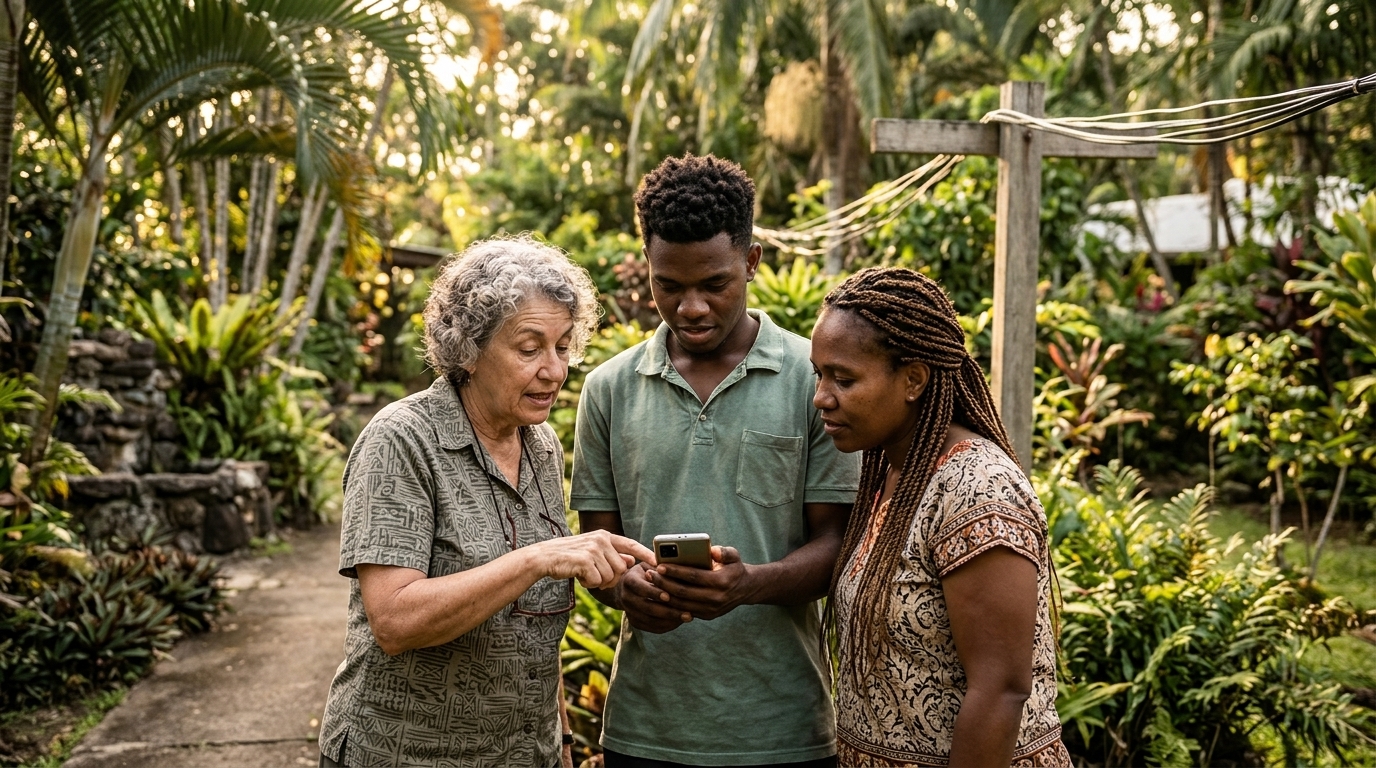
Mobile internet reached 4.8 billion users in 2025, accounting for 59% of the global population, according to GSMA's "The State of Mobile Internet Connectivity 2026" report. Despite this growth, 3.4 billion people remain offline, highlighting a persistent digital divide that primarily affects low- and middle-income countries.
Usage Gap vs. Coverage Gap
The report distinguishes between two primary forms of the digital divide. The "coverage gap" has shrunk to just 3% of the population (270 million people) as network infrastructure expands. However, the "usage gap" remains vast: 3.1 billion people live within reach of a mobile broadband network but do not use it.
- 90% of new user growth originated from low- and middle-income countries.
- Women are 12% less likely to use mobile internet than men.
- Rural residents are 28% less likely to have access compared to urban dwellers.
Cost as a Major Barrier
For the poorest 20% of the population in developing nations, a basic internet-enabled device costs approximately 44% of their monthly income. GSMA estimates that reducing device prices to $20-$30 could bring up to 2.2 billion more people online. However, rising memory prices—driven partly by AI demand—are making this affordability goal harder to reach.
Economic Impact and 5G Expansion
5G coverage now reaches 57% of the global population. GSMA estimates that bridging the usage gap between 2023 and 2030 could add $3.5 trillion to global GDP, with over 90% of that benefit flowing to low- and middle-income economies.