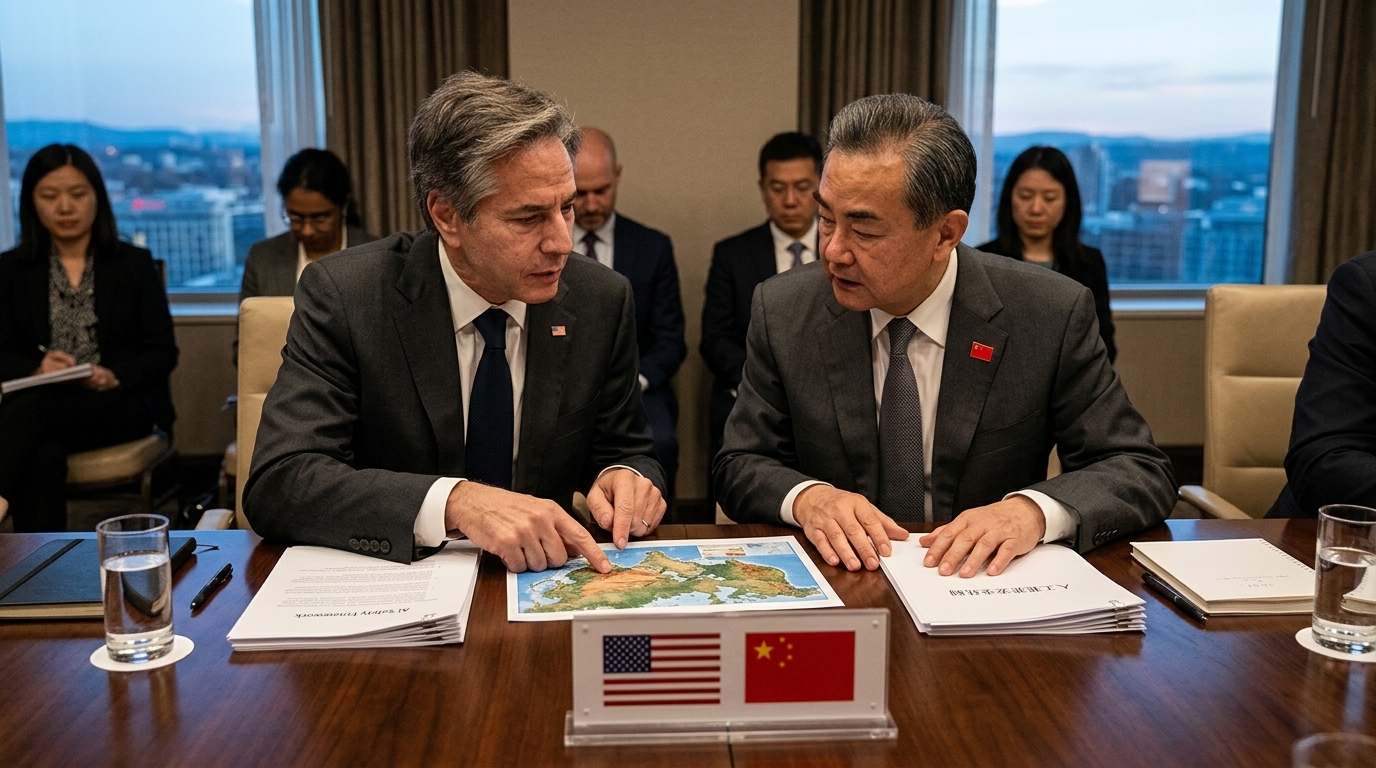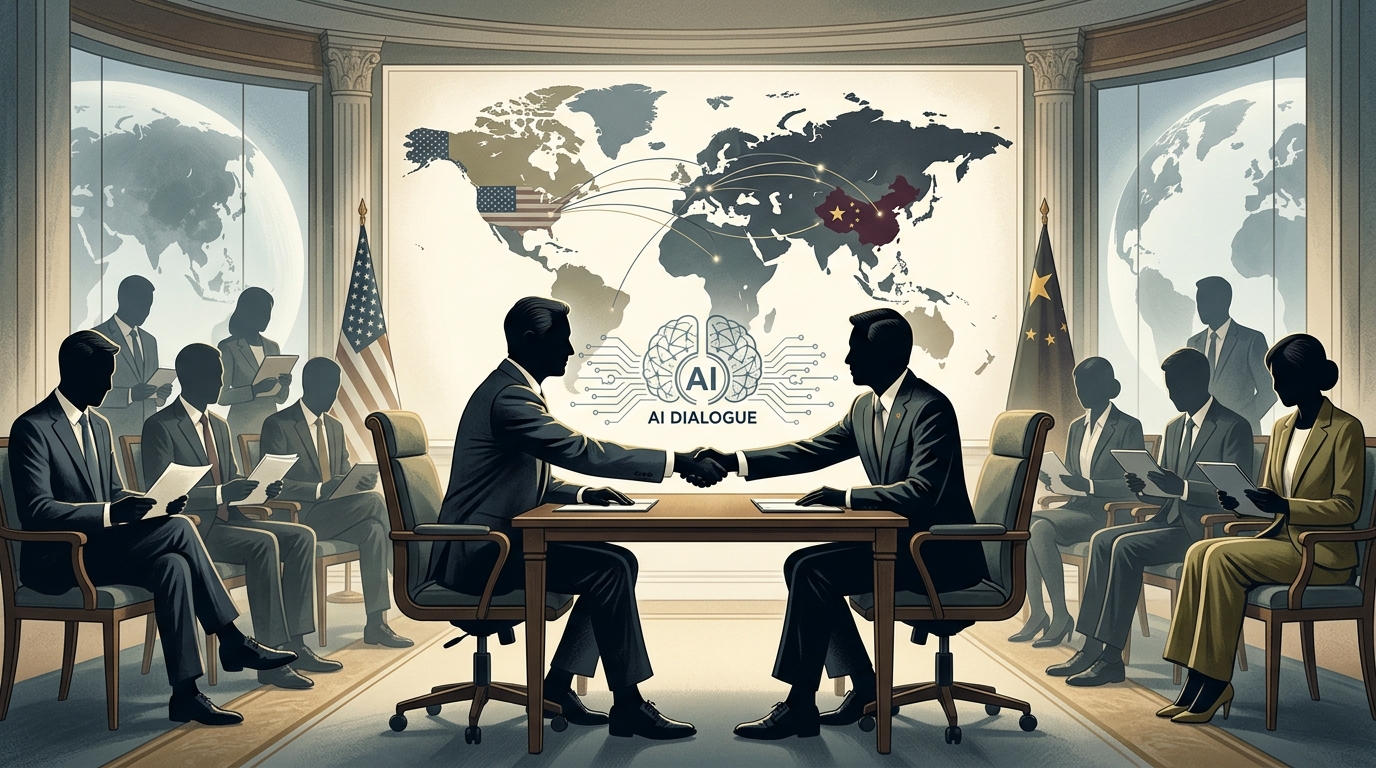
In a move aimed at reducing uncertainty between the world's two preeminent technological powers, the United States and China have agreed to establish a new institutional dialogue mechanism for artificial intelligence. The agreement was reached during extensive talks in New York between US Treasury Secretary Scott Bessent and Chinese Vice Premier He Lifeng.
Focus on National Security and Risks
The new mechanism, to be titled the "US-China AI Dialogue," seeks to enhance transparency regarding shared risks. According to Bessent, Washington proposed a mutual information system for AI incidents that could escalate into national security concerns, aiming for a shared understanding of emerging threats.
China's Xinhua news agency characterized the discussions as "candid and constructive," while lead Chinese negotiator Li Chenggang confirmed that a working group will continue consultations to implement the initiative.
Trade, Tariffs, and the Board of Trade
Beyond artificial intelligence, the agenda covered critical economic issues. Both sides are activating a new Board of Trade, which will examine tariff reductions on "non-sensitive" products, such as consumer goods, agricultural products, and medical equipment. Reports suggest potential mutual reductions on goods valued at approximately $30 billion from each side.
However, US Trade Representative Jamieson Greer clarified that US export controls on advanced chips and semiconductor manufacturing equipment were not part of this specific AI-focused discussion.
Preparing for the Summit
These consultations serve as a precursor to the meeting between Donald Trump and Xi Jinping in Washington later this week. With the current trade truce set to expire in November, the institutionalization of dialogue in a field as competitive as AI is viewed as a rare instance of diplomatic rapprochement.