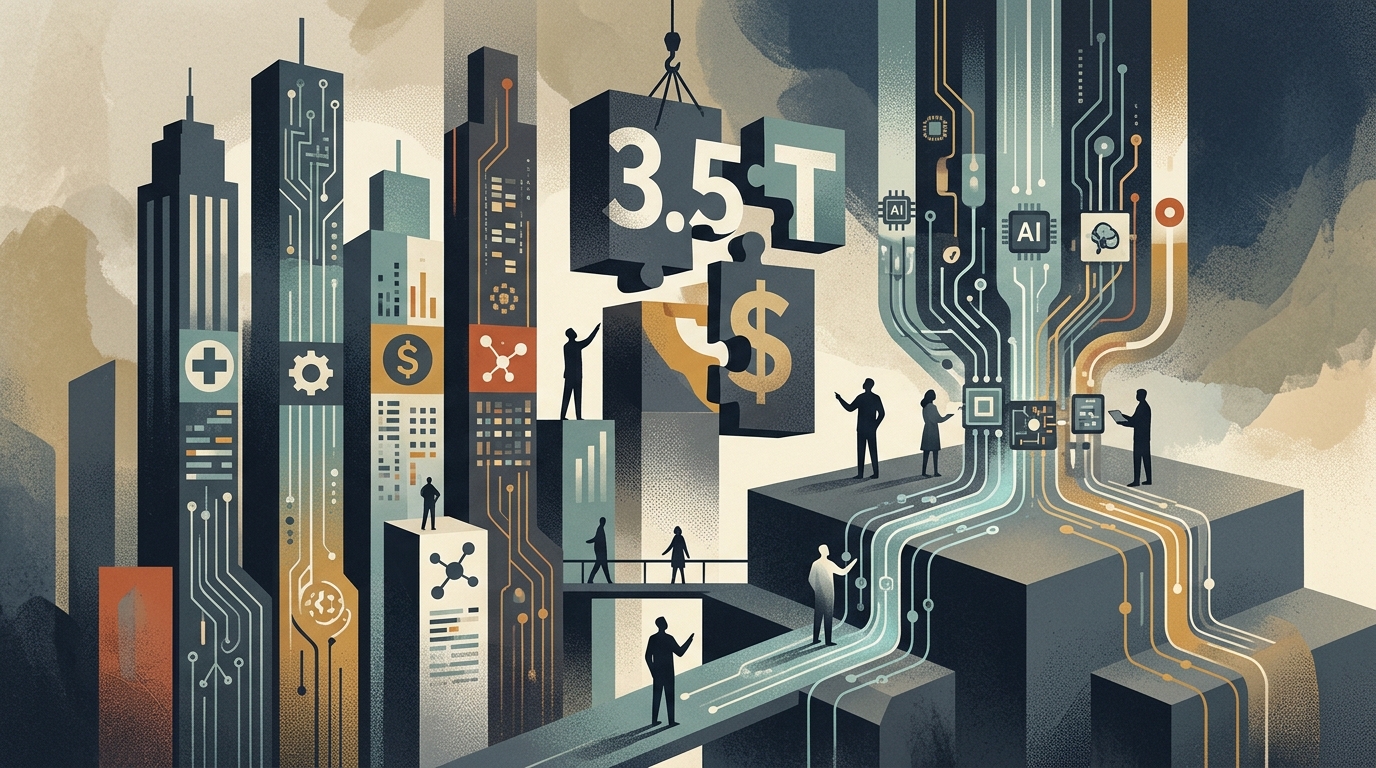
The history of education has been marked by moments where technology challenged the status quo — from the printing press to the pocket calculator and the internet. However, no challenge has been as existential as the rise of Generative Artificial Intelligence (AI). Today, we stand at a critical turning point: the era of "banning" ChatGPT and similar tools is giving way to the era of institutionalization. Vietnam, an emerging tech powerhouse in Southeast Asia, has taken a decisive step by issuing the first comprehensive set of regulations for the use of AI in higher education and vocational training.
Transitioning from Resistance to Integration
Vietnam's Ministry of Education and Training (MOET) has announced a series of guidelines aimed not at restricting technology, but at its safe and ethical integration. These regulations represent a response to a global dilemma: how can a university assess a student's abilities when the line between human thought and algorithmic output becomes blurred? The new framework clearly states that AI must function as a "supplementary tool" and not a substitute for critical thinking.
Under the new rules, higher education institutions are required to develop their own internal codes of ethics, which must align with national directives. This includes mandatory disclosure of AI use in assignments and research, as well as the creation of monitoring mechanisms to prevent next-generation plagiarism. This move is particularly significant for vocational training, where AI is already being used to simulate complex work environments, from medical diagnostics to mechanical engineering.
Vocational Training and the New Labor Market
The most intriguing aspect of the regulations concerns vocational education. In a country like Vietnam, which serves as a hub for manufacturing and tech services, the need for a workforce that "speaks" the language of AI is imperative. The regulations provide for the revision of curricula to include "AI Literacy" as a core skill.
- Transparency: Students must declare when and how they used AI tools.
- Faculty Responsibility: Educators bear the final responsibility for assessment, ensuring AI does not replace human judgment.
- Data Protection: Strict rules on how student data is used to train local AI models.
This approach recognizes that the 2026 labor market demands professionals who don't just know a craft but know how to augment it through technology. For instance, a network technician should not only know how to fix faults but must be able to use predictive AI models to prevent failures before they occur.
Implementation Challenges and the International Context
Despite the positive reception, the implementation of these regulations is not without difficulties. The primary question remains: do professors have the necessary training to oversee AI usage? Digital inequality is also a crucial factor. If only wealthy urban universities have access to the most advanced AI models, then education risks creating a new two-tier divide.
"AI will not replace teachers, but teachers who use AI will replace those who do not," the Ministry's announcement pointedly states.
On a global scale, Vietnam's move is being closely monitored by UNESCO and the European Union. While the EU AI Act sets general rules, specialization in the field of education remains largely the responsibility of member states. The Vietnamese example suggests that emerging economies might be more agile in legislating for the future, as the stakes for their economic development are higher.
Conclusion: Toward a New Academic Social Contract
As we head into the latter half of the 2020s, education must be redefined. Vietnam's regulations are not merely bureaucratic rules; they are the beginning of a new academic social contract. A contract that recognizes the machine as a partner but keeps the human as the ultimate arbiter of truth and ethics. The success of this endeavor will be judged by whether it manages to protect the value of the degree while simultaneously unleashing the creativity that new technology offers.