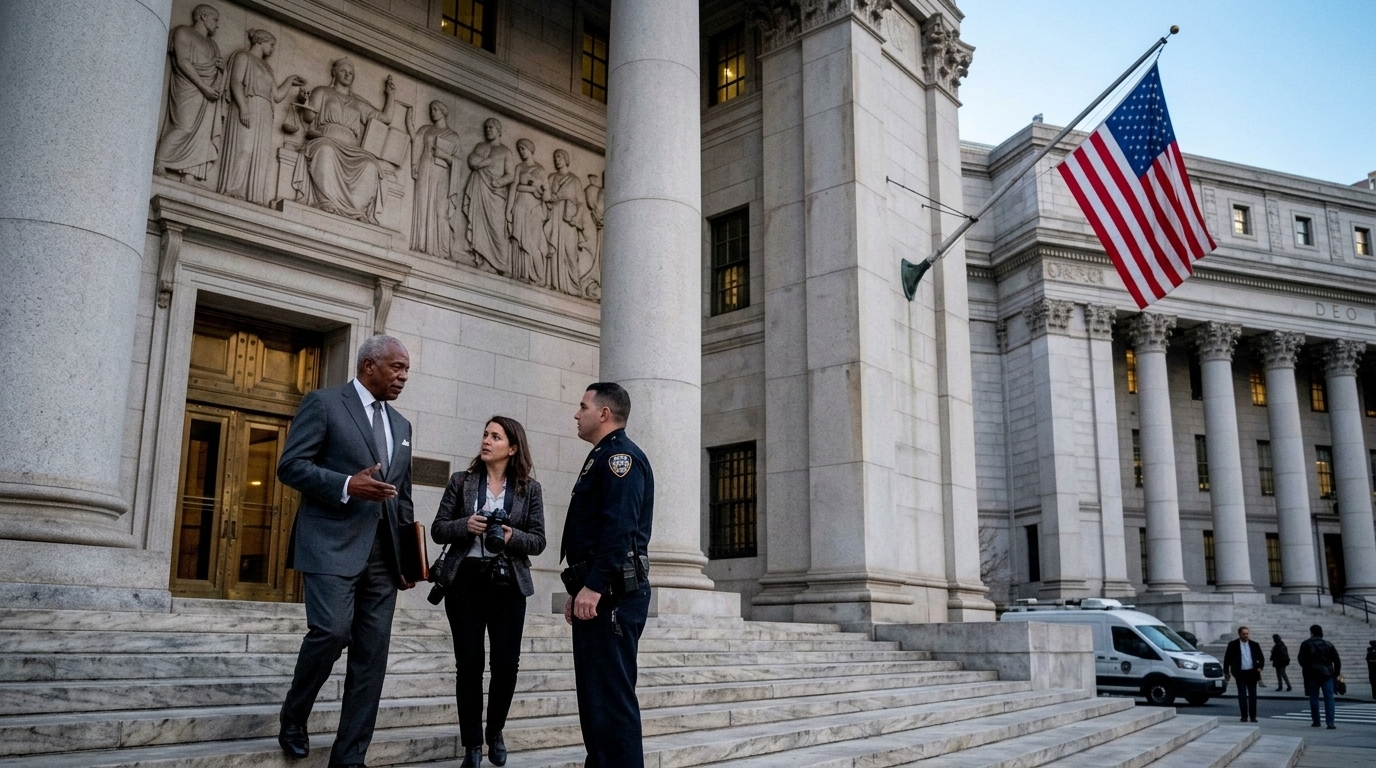
In a move that is sending shockwaves through the American legal establishment, President Donald Trump has announced his intention to nominate James M. McDonald, a key member of his personal legal defense team, to the post of U.S. Attorney for the Southern District of New York (SDNY). This selection is far from a routine appointment; the SDNY, often referred to in legal circles as the 'Sovereign District,' handles some of the most sensitive cases involving terrorism, espionage, and, crucially, global financial crime.
McDonald, a former federal prosecutor with extensive experience, gained national prominence for his role in appealing Trump’s felony convictions related to the hush money payments to Stormy Daniels. His transition from defending the President in personal criminal matters to leading an office that historically prides itself on its independence from the executive branch represents one of the most controversial maneuvers of Trump’s second term.
The SDNY as a Bastion of Financial and National Security
The Southern District of New York is no ordinary prosecutor’s office. With jurisdiction over Manhattan, the heart of the world’s financial markets, the office serves as the primary 'cop on the beat' for Wall Street. From tackling market manipulation to dismantling money laundering schemes by international cartels, the SDNY has frequently clashed with powerful interests, and at times, even with the federal government in Washington itself.
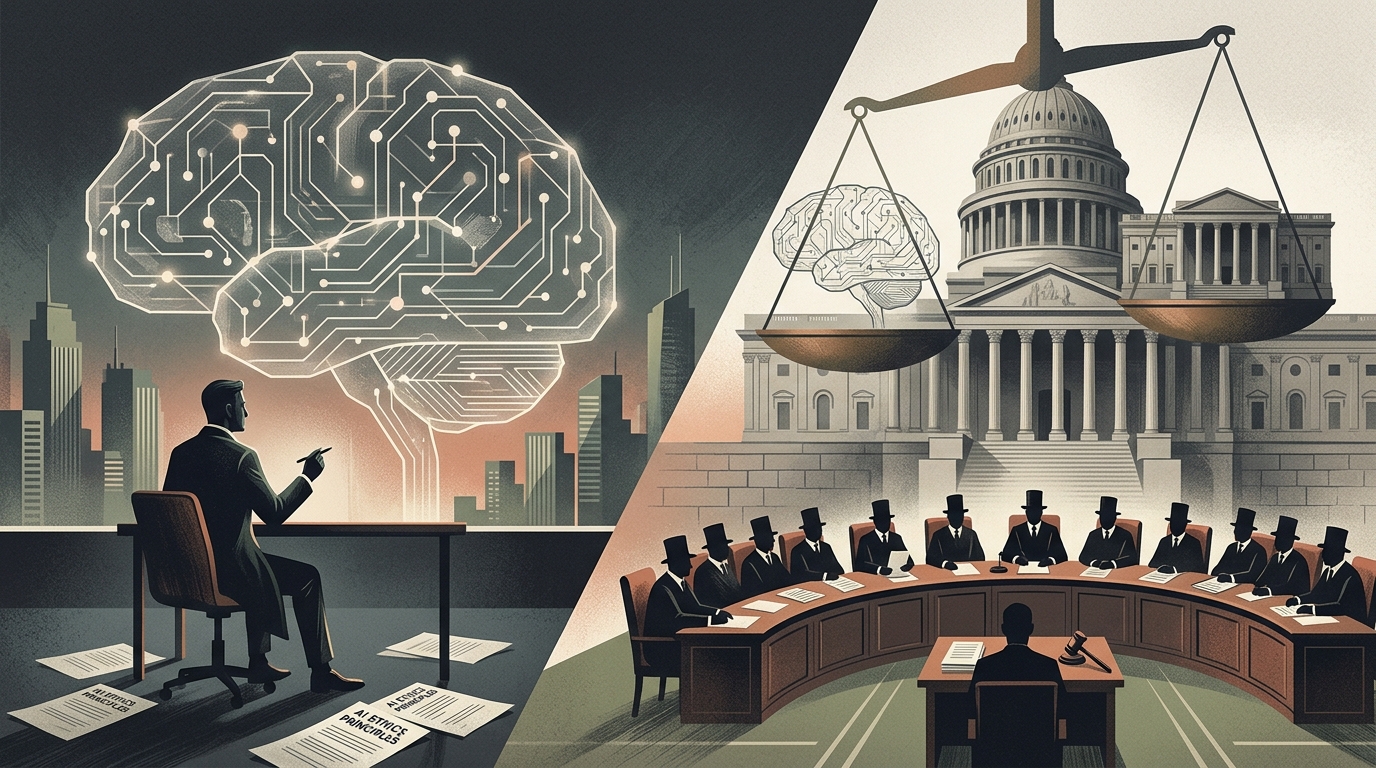
The choice of a presidential 'loyalist' for this position is interpreted by many analysts as an attempt to align the office with the White House agenda. Historically, SDNY U.S. Attorneys, such as Rudy Giuliani or Preet Bharara, maintained a degree of autonomy, often operating independently of the Department of Justice’s main headquarters. McDonald’s nomination threatens to upend this tradition, sparking concerns over whether future prosecutions will be politically motivated.
Loyalty vs. Institutional Integrity
The primary argument from critics centers on the inherent conflict of interest. McDonald has spent the last few years protecting Trump’s personal and political flank. Placing him in a position where he will have access to classified information and the power to initiate or terminate investigations is seen by the opposition as a 'capture' of the justice system.
"The independence of the Department of Justice is not just a formality; it is the cornerstone of our democracy. When the defense counsel becomes the prosecutor, the line between the rule of law and political expediency vanishes," stated a senior legal analyst in Washington.
Conversely, Trump’s supporters argue that the President has every right to select individuals he trusts to implement his 'law and order' policies. They contend that the SDNY had become an instrument of the 'deep state' used to target political opponents and that McDonald is the right person to 'purge' the office of ideological bias.
Impact on Wall Street and International Crime
Beyond the political dimensions, this appointment carries massive economic implications. The SDNY is responsible for enforcing sanctions against nations like Russia and Iran, as well as combatting fraud in the burgeoning cryptocurrency sector. A change in leadership could signal a more 'relaxed' approach toward major banks or, alternatively, an aggressive targeting of corporations perceived as hostile to the administration.
- Market Regulation: McDonald’s stance on SEC violations will be closely watched by global investors.
- National Security: The office handles cases of foreign interference and espionage, areas where Trump has repeatedly challenged intelligence community findings.
- Public Corruption: The office’s ability to investigate corruption involving public figures is now under intense scrutiny.
The Road to Senate Confirmation
McDonald’s confirmation will be anything but smooth. Although Republicans control the Senate, the confirmation hearings are expected to be contentious. Democrats are poised to focus on his involvement in the hush-money case, arguing that his loyalty to Trump supersedes his commitment to the Constitution.
At a time when trust in institutions is at an all-time low, the appointment of a personal lawyer to such a powerful position could be the final blow to the image of American justice as an impartial arbiter. The future of the SDNY, and by extension the balance of power between the executive and judicial branches, remains in a precarious state.