Today, June 14, 2026, Donald Trump celebrates his 80th birthday, a milestone that in other times would have been the centerpiece of a triumphant MAGA celebration. However, the atmosphere within the White House is anything but festive. The oldest sitting president in United States history is currently grappling with a multi-layered crisis that threatens to dismantle the narrative of strength upon which he built his 2024 political comeback. The conflict with Iran, which began as an operation to "restore order," has evolved into a bloody quagmire, while within the Republican Party, the first serious cracks in loyalty are now visible to the naked eye.
The Iranian Quagmire and the Crisis of Legitimacy
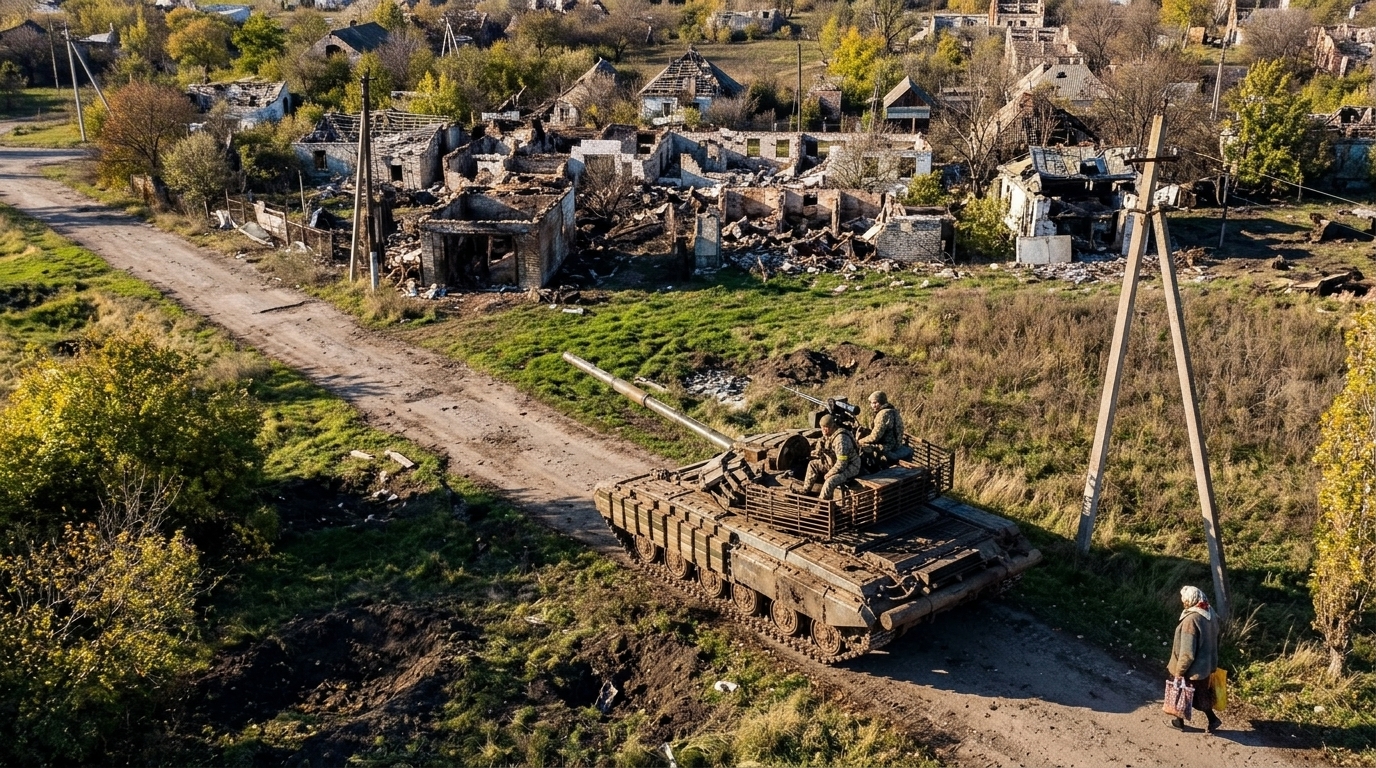
The geopolitical chessboard of the Middle East has once again proven more complex than campaign promises of "quick victories." The Trump administration's decision to escalate military involvement with Tehran in 2025, aiming for the definitive collapse of the Ayatollah regime, has not yielded the expected results. Instead, American forces find themselves trapped in an asymmetric war of attrition, costing billions of dollars and, more importantly, human lives. Public opinion, which initially rallied around the president, is now showing signs of fatigue. June 2026 polls indicate that support for the war has plummeted below 35%, with suburban voters—crucial to his victory—turning their backs on his choices.
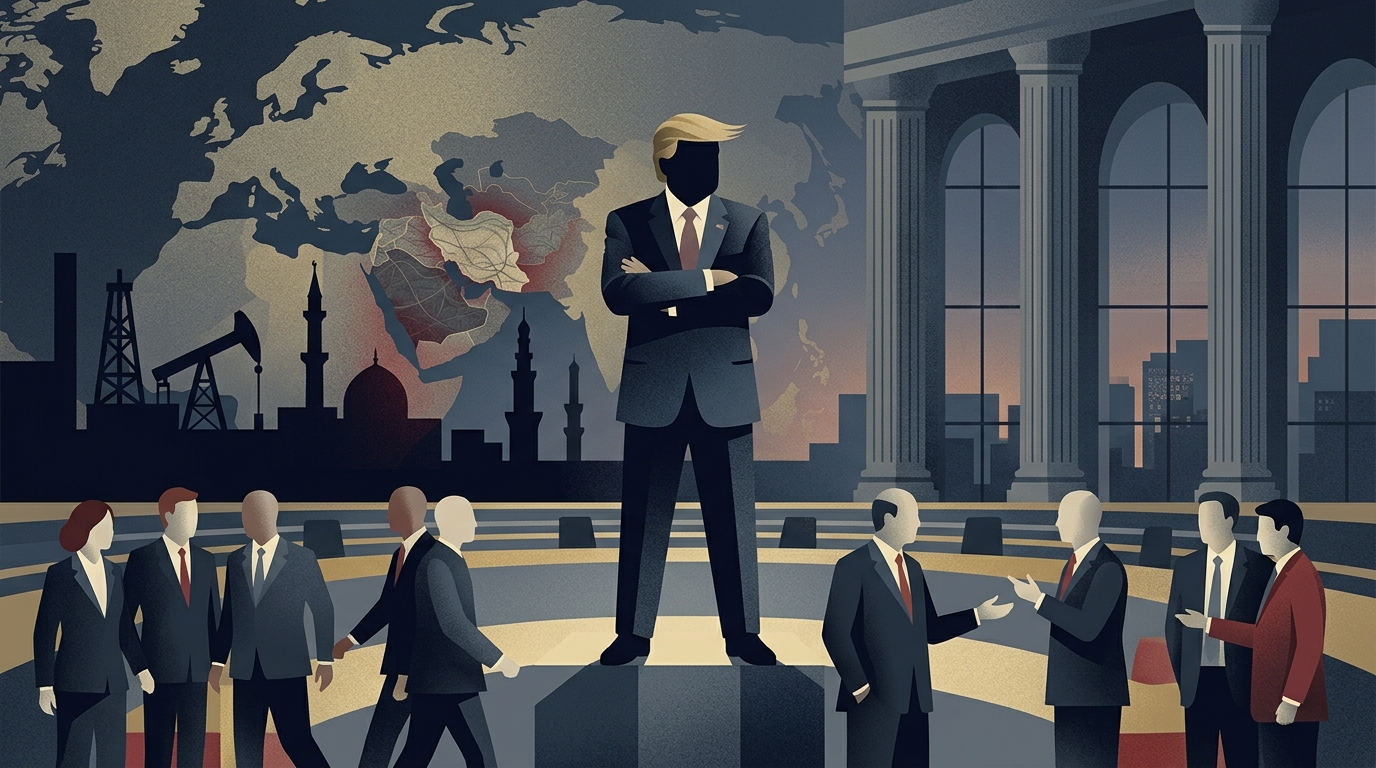
Trump, true to his strategy, is attempting to project an image of vitality and resolve. His public appearances are meticulously choreographed to hide the signs of age and the immense pressure of the office. Yet, his rhetoric of "total victory" rings increasingly hollow to a younger generation of Americans who see the economic fallout of the war evaporating any hopes for stability. The geopolitical isolation of the US, as traditional allies in Europe refuse to follow Washington's war drums, further exacerbates the sense of crisis.
Internal Dissent and the Erosion of Power
Perhaps the most concerning development for Trump at 80 is not the external threat, but the internal erosion of his base of power. For the first time in a decade of absolute dominance over the Republican Party, a group of senators and governors has begun to openly question his decisions. This "silent mutiny" is not just about the war in Iran; it also concerns the administration's fiscal policy, which has pushed the deficit to record levels. Names once considered loyal soldiers of the movement are now distancing themselves, preparing the ground for the post-Trump era.
- Growing resistance from "traditional" Republicans in Congress regarding military spending.
- Public criticism from former cabinet members over the handling of the Persian Gulf crisis.
- Leaks from the White House describing a president who is isolated and often enraged with his advisors.
- The rise of new political contenders attempting to inherit the MAGA base without the baggage of the current administration.
Trump's psychology at this age seems heavily focused on his legacy. His attempt to appear as the "unshakable leader" clashes with biological reality and political attrition. His critics point out that his obsession with the image of strength prevents him from making the necessary diplomatic maneuvers that could provide an exit strategy from Iran. Instead of a seasoned statesman using the wisdom of his years, the world sees a leader refusing to adapt to new global realities.
The Future of Trumpism in a Changing World
As the United States enters the latter half of 2026, the question is no longer whether Trump can maintain control, but what will remain of his legacy. The "America First" strategy is being severely tested by the reality of a multipolar world where imposing one's will through sheer force has its limits. The war in Iran has become the catalyst for a broader debate about the US role in the 21st century and whether an octogenarian leader can meet the challenges of AI, climate change, and emerging economic blocs.
"Power is not just the ability to impose oneself, but also the wisdom to know when to pivot," says an analyst from the Brookings Institution. "Trump at 80 seems to have lost that balance."
In conclusion, Donald Trump's 80th birthday marks a critical turning point. Projecting strength may work for his core base, but political reality demands more than communication tactics. With Iran in turmoil and his party fracturing, the president must prove that his age is accompanied by the prudence his office requires—otherwise, the end of his term may be far more painful than he ever imagined.