In a move that reshapes the landscape of global technological diplomacy and national security, the Trump administration has announced the immediate lifting of stringent restrictions previously imposed on Anthropic's Claude AI models. This decision, following months of intense debate within Washington’s power corridors, was triggered by a "severe cybersecurity alarm" that exposed vulnerabilities in U.S. defensive systems against state-sponsored attacks.
This pivot marks a significant victory for Anthropic, a company founded on the principles of "Constitutional AI," and represents an admission by the administration that isolating advanced models might inadvertently undermine the very security it seeks to protect. According to sources close to the National Security Council, the ability of Claude 3.5 and its successors to identify complex patterns in code and suggest real-time remediations was deemed essential for countering a new generation of threats.
The Cybersecurity Catalyst
The backdrop of this decision involves an extensive attempt to infiltrate critical U.S. infrastructure, attributed to groups linked to East Asian interests. Traditional detection methods failed to identify the sophisticated nature of the attack, which utilized semi-autonomous, self-mutating code. During tests in controlled environments, Anthropic’s models reportedly demonstrated a superior ability to analyze and neutralize these threats compared to existing government-grade tools.
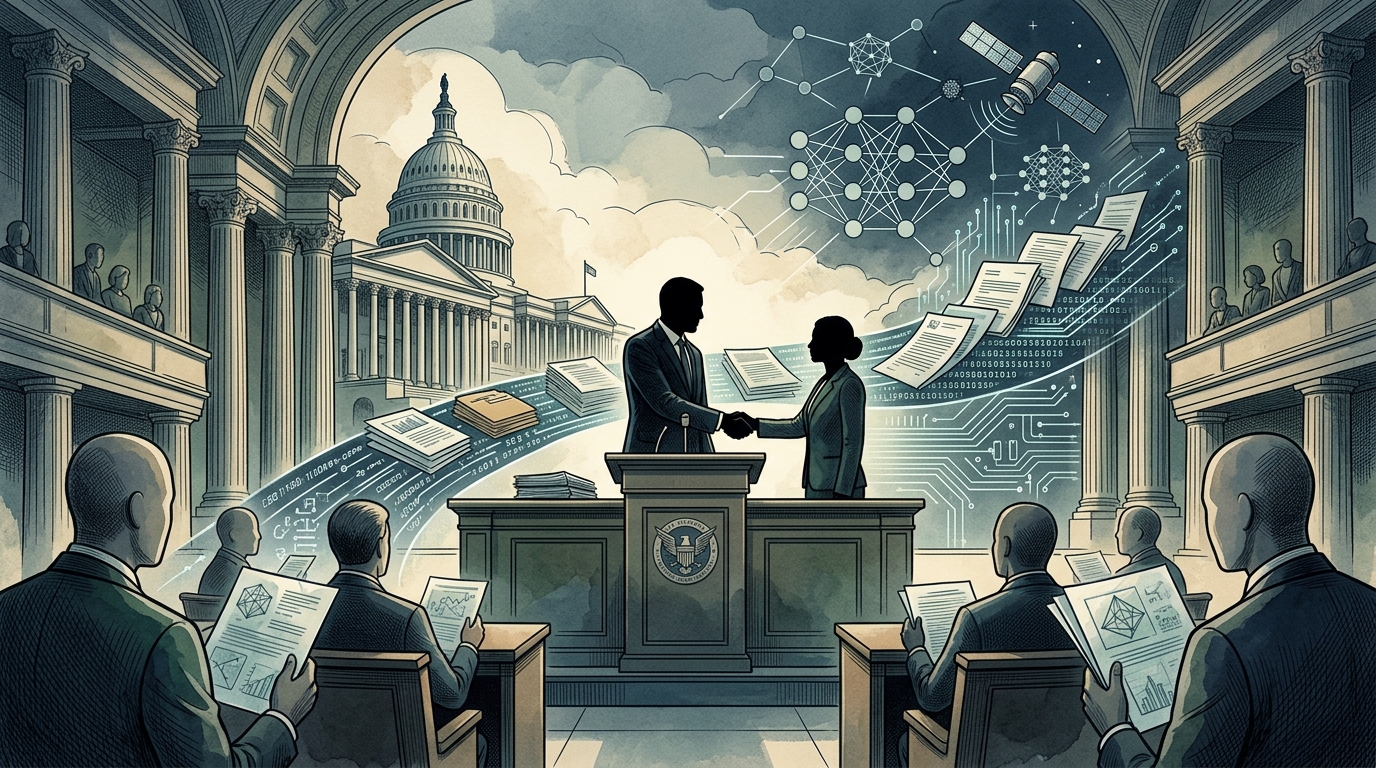
"We cannot fight the threats of the future with the tools of yesterday," a senior administration official stated. "Lifting these restrictions allows Anthropic to collaborate directly with intelligence agencies and the Pentagon, ensuring that American innovation remains at the forefront of our digital shield." However, this decision is not unconditional, as the government retains oversight rights regarding the company's internal security protocols.
The Clash of Ideology and Pragmatism
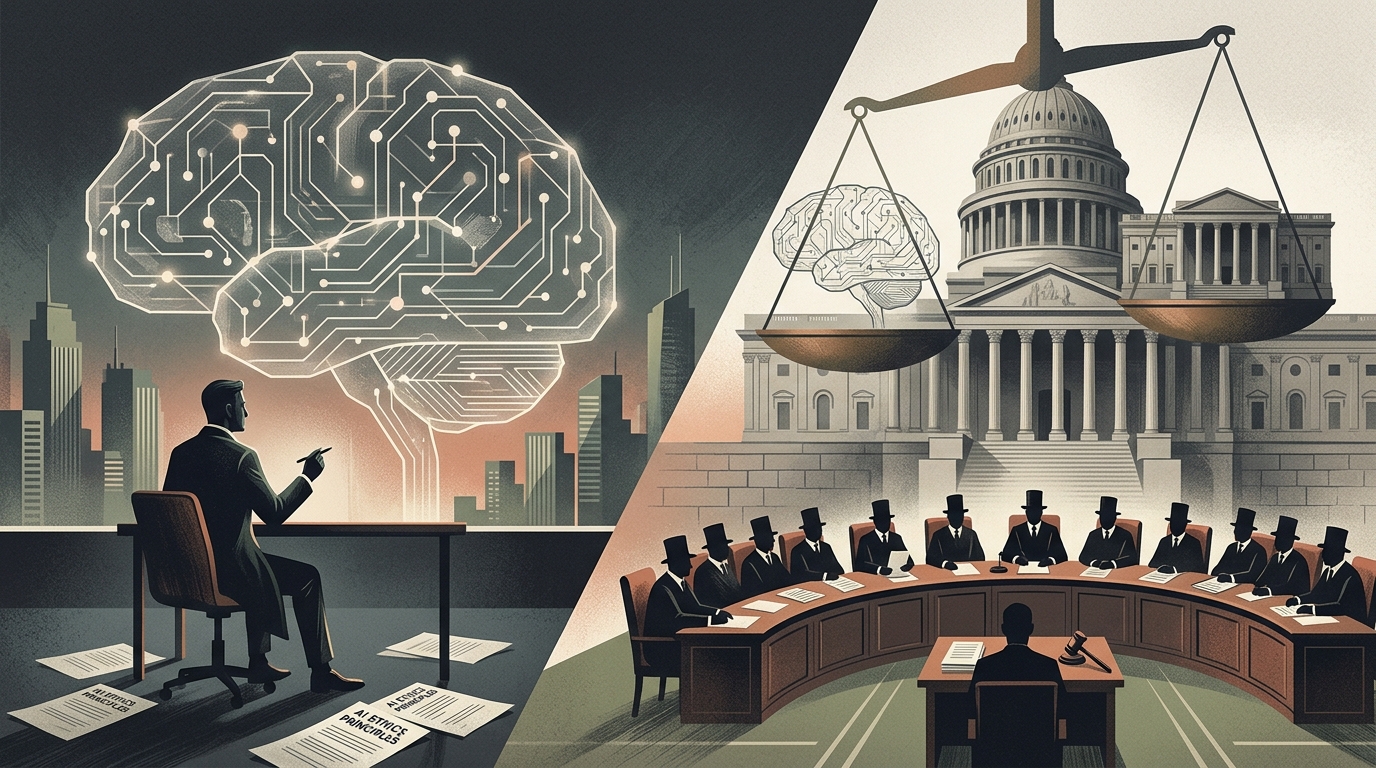
The Trump administration had initially adopted a cautious stance toward companies emphasizing "AI ethics," often viewing the safety guardrails imposed by these firms as potential hurdles to development speed in the race against competitors like China. However, the reality of the cybersecurity landscape appears to have forced a new pragmatism.
- Anthropic will now be permitted to export its services to select NATO allies.
- A dedicated communication channel will be established between the company and CISA (Cybersecurity and Infrastructure Security Agency).
- The decision may pave the way for similar regulatory easing for other giants like OpenAI and Google.
"Safety is no longer a hurdle to innovation; it is the core product," a market analyst noted. "Anthropic has proven that a focus on safety can be the ultimate defensive weapon."
Geopolitical Implications and the Future of AI
This move sends a clear message to Beijing and Moscow: the U.S. is willing to integrate cutting-edge commercial technology into its state apparatus at unprecedented speeds. The lifting of restrictions is not just about software; it is about access to compute power and data sets previously considered too sensitive for commercial entities.
However, skeptical voices remain. Some lawmakers express concern that the close alignment of a private company with national defense creates a dangerous precedent for the "militarization of AI." Furthermore, Anthropic must balance its internal culture of safe and transparent development with the secrecy requirements of government contracts. The lingering question is whether this partnership will maintain the "constitutional" character of the AI or if the exigencies of the state will override ethical barriers.