In a move poised to reshape the legal landscape for big tech worldwide, TikTok, the viral video platform owned by ByteDance Ltd., is finalizing a settlement to resolve a massive consolidated lawsuit alleging the app intentionally addicts minor users. The news, emerging from sources familiar with the negotiations, confirms that the company will avoid a high-stakes jury trial in Los Angeles, which was set to begin in July 2026.
The Psychology of the Scroll
The core of the litigation rests on the argument that TikTok's algorithm is not merely a recommendation engine, but a sophisticated psychological tool designed to exploit the neuroplasticity of young minds. Plaintiffs, including hundreds of families and school districts, alleged that features like the infinite scroll, intermittent reinforcement (the "slot machine" effect), and beauty filters were engineered to maximize engagement at the cost of the users' mental health.
Expert witnesses prepared for the trial were expected to testify about the "dopamine loops" created by the app, linking prolonged usage to a surge in clinical depression, anxiety, and body dysmorphia among teenagers. For TikTok, the risk of a trial was twofold: the potential for a multi-billion dollar verdict and, perhaps more damagingly, the forced public disclosure of internal research and algorithmic mechanics that have long been guarded as trade secrets.
Strategic Settlement and Product Mandates
While the financial terms of the settlement remain under seal, industry analysts suggest the payout could set a record for social media-related litigation. However, the true impact of the deal lies in the non-monetary concessions. Sources indicate that TikTok has agreed to structural changes in how the app operates for minors. This includes enhanced age-verification protocols, stricter time-management prompts that require active user intervention to bypass, and a de-prioritization of certain engagement-heavy features in accounts held by users under 18.
By settling, ByteDance is effectively engaging in a "risk mitigation" strategy. A public trial would have provided a roadmap for regulators in other jurisdictions, particularly in the European Union, where the Digital Services Act (DSA) is already putting the company under the microscope for systemic risks to minors. The settlement allows TikTok to resolve these specific claims without a formal admission of liability, preserving its ability to defend its technology in other global markets.
A Precedent for the Tech Giants
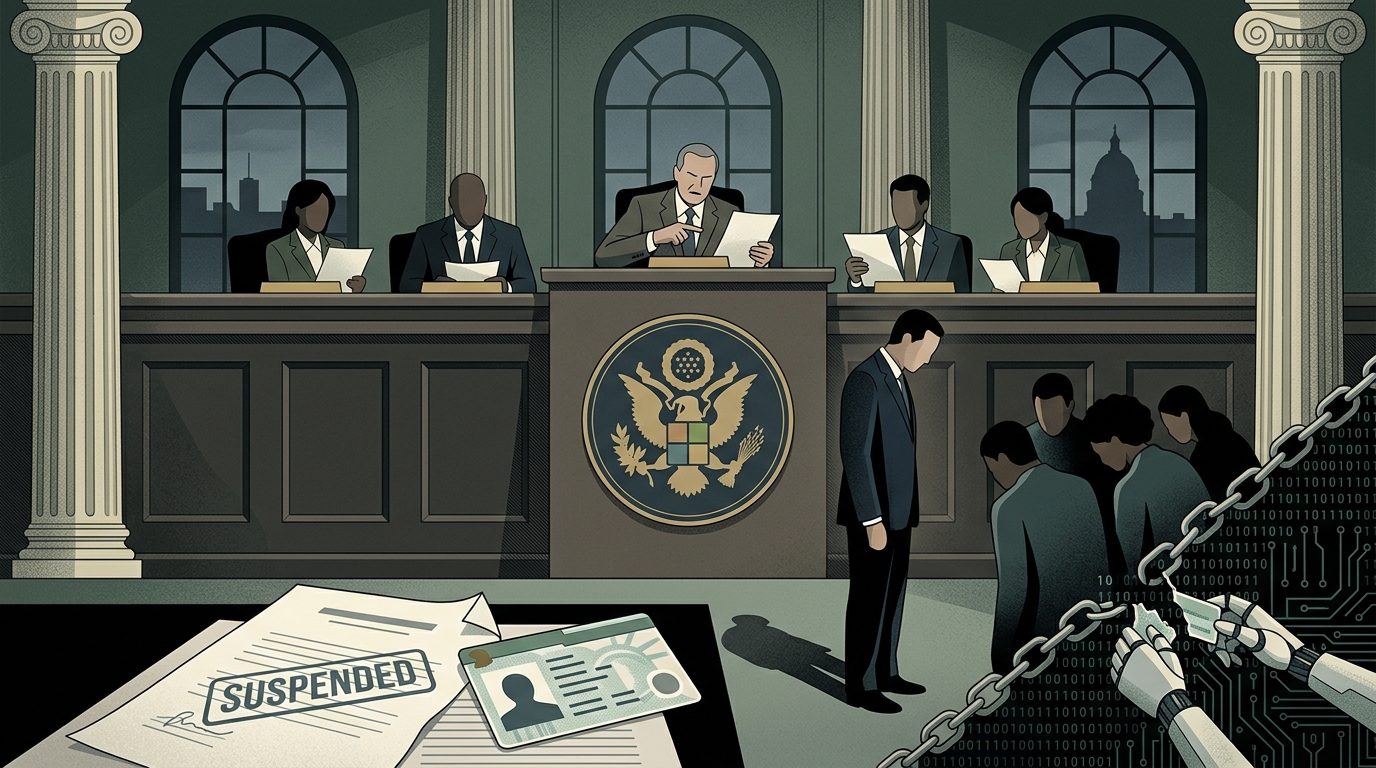
This settlement is a watershed moment for the entire social media industry. For years, companies like Meta, Snap, and Alphabet have relied on Section 230 of the Communications Decency Act to shield themselves from liability regarding content. However, this lawsuit bypassed that shield by focusing on "product design" rather than content moderation. The argument is that the platform itself is a "defective product" because of its addictive nature.
- Legal Precedent: The success of the design-based legal theory will likely embolden future litigants against other platforms like Instagram and YouTube.
- Corporate Accountability: Boards of directors will now have to view algorithmic design through the lens of liability and insurance risk.
- Public Perception: The settlement reinforces the growing consensus that social media companies have a "duty of care" toward their youngest users.
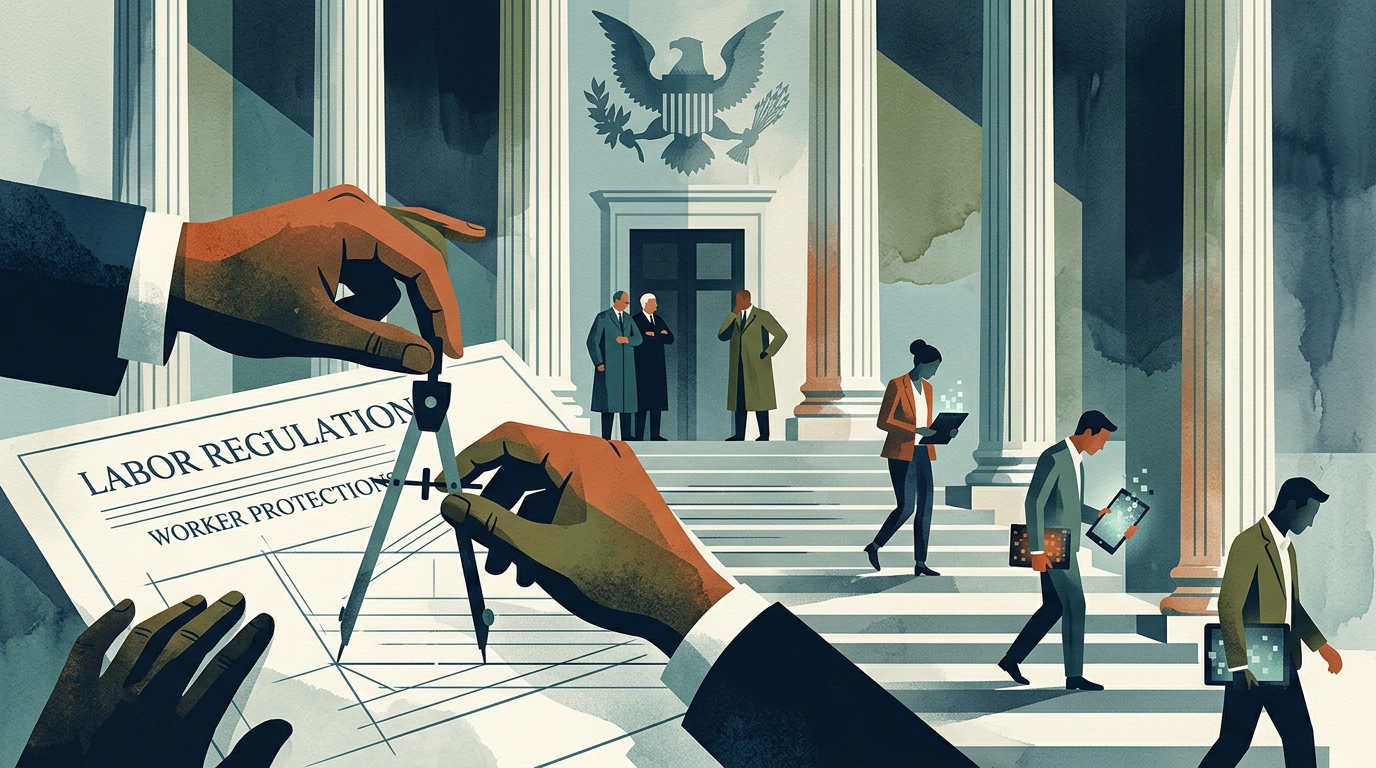
The implications extend beyond the courtroom. As the U.S. government continues to debate a potential ban or forced sale of TikTok over national security concerns, this settlement addresses the more immediate domestic concern: the well-being of the American youth. It suggests that even if the platform remains in Chinese hands, its operational parameters will be increasingly dictated by Western legal and ethical standards.
Conclusion: The End of the Wild West?
As TikTok moves to finalize this agreement, the era of unregulated algorithmic experimentation on children appears to be drawing to a close. The settlement represents a shift from the "move fast and break things" ethos to a new paradigm of "safety by design." While it remains to be seen if these changes will truly alleviate the mental health crisis among adolescents, the legal accountability established here is a significant first step. The digital world is no longer a lawless frontier; it is a regulated space where the cost of doing business now includes the protection of the human mind.