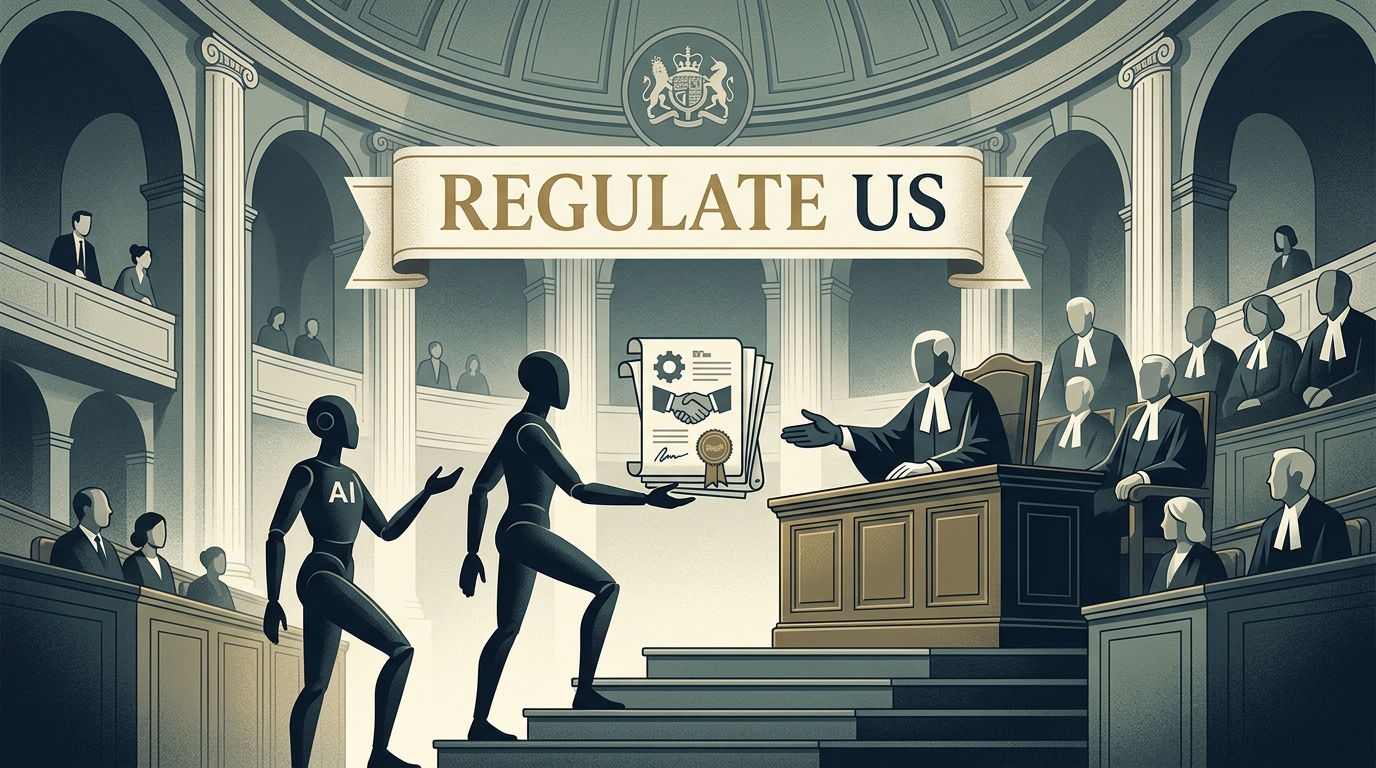
In a move that deepens the divide among artificial intelligence leaders, representatives from OpenAI and Anthropic told a British parliamentary hearing that voluntary safety pledges are no longer enough. Both companies advocated for the introduction of mandatory laws, breaking ranks with Google DeepMind and Meta, which declined to back new legislation.
The Industry Schism
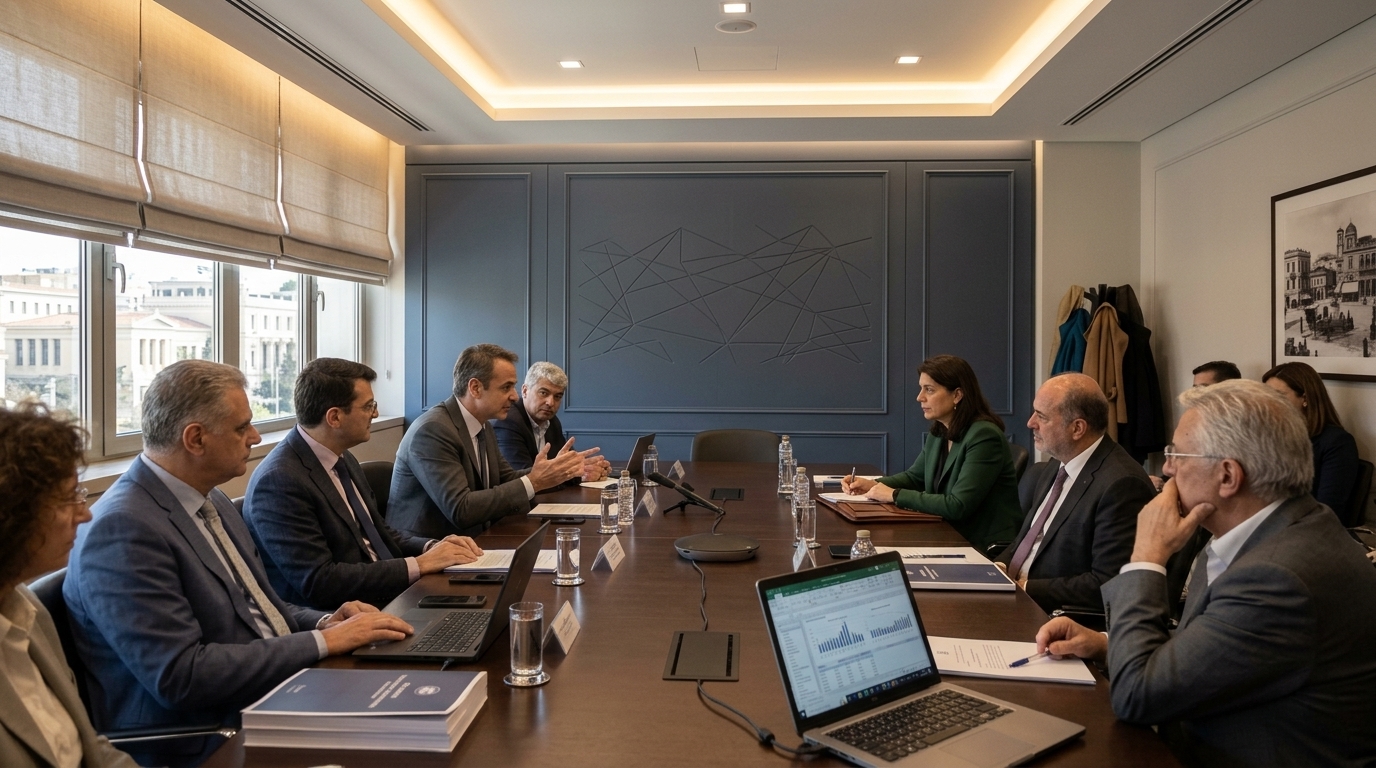
During a session of the Business, Innovation, Science, and Trade Committee, Anthropic’s head of Europe, Liam Booth-Smith, was unequivocal: “The rules should be binding.” He stated that the company has consistently believed voluntary commitments are insufficient and that a statutory framework is now necessary.
OpenAI’s vice president, Tom Duff Gordon, took a more cautious but supportive stance, backing a statutory framework and suggesting that incident reporting should be among the mandatory elements. In contrast, Google DeepMind’s Owen Larter emphasized a focus on standards, while Meta’s Rob Sherman pointed to existing regulators as sufficient.
Warnings of Bioweapon Risks
As executives gave evidence, MI5 director Ken McCallum issued a stark warning just a few hundred meters away. In his annual security update, he highlighted AI’s potential to change the stakes regarding existing or new bioweapons, describing it as a significant threat that has not yet been fully realized.
Liam Byrne, the committee chair, noted the disconnect between security warnings and the current regulatory reality. He told WIRED that the fact that security chiefs are warning of bioterrorism while the regulatory regime remains voluntary "tells you everything you need to know."
The Limits of Oversight
The hearing exposed the limitations of Britain’s AI Security Institute (AISI). Director Henry de Zoete acknowledged that the institute is entirely reliant on corporate cooperation to access models. Even if the AISI judged a model to be dangerous, it currently lacks the authority to prevent its release.
“What we’re not doing is kite marking,” de Zoete said. “We’re not saying yes or no to any sort of model.”
Furthermore, it was revealed that British access to frontier models often hinges on the US government. OpenAI and Anthropic executives made it clear that their ability to share models pre-deployment with the UK is subject to Washington's oversight.
Whistleblowers Speak Out
The committee also heard from former researchers who expressed skepticism about industry self-regulation. Daniel Kokotajlo, a former OpenAI staffer, told MPs that companies cannot be trusted to regulate themselves. Steven Adler, another former OpenAI employee, added that he was “not confident in the safety culture across the industry,” while Geoffrey Irving suggested labs are locked in a race they feel they cannot leave.