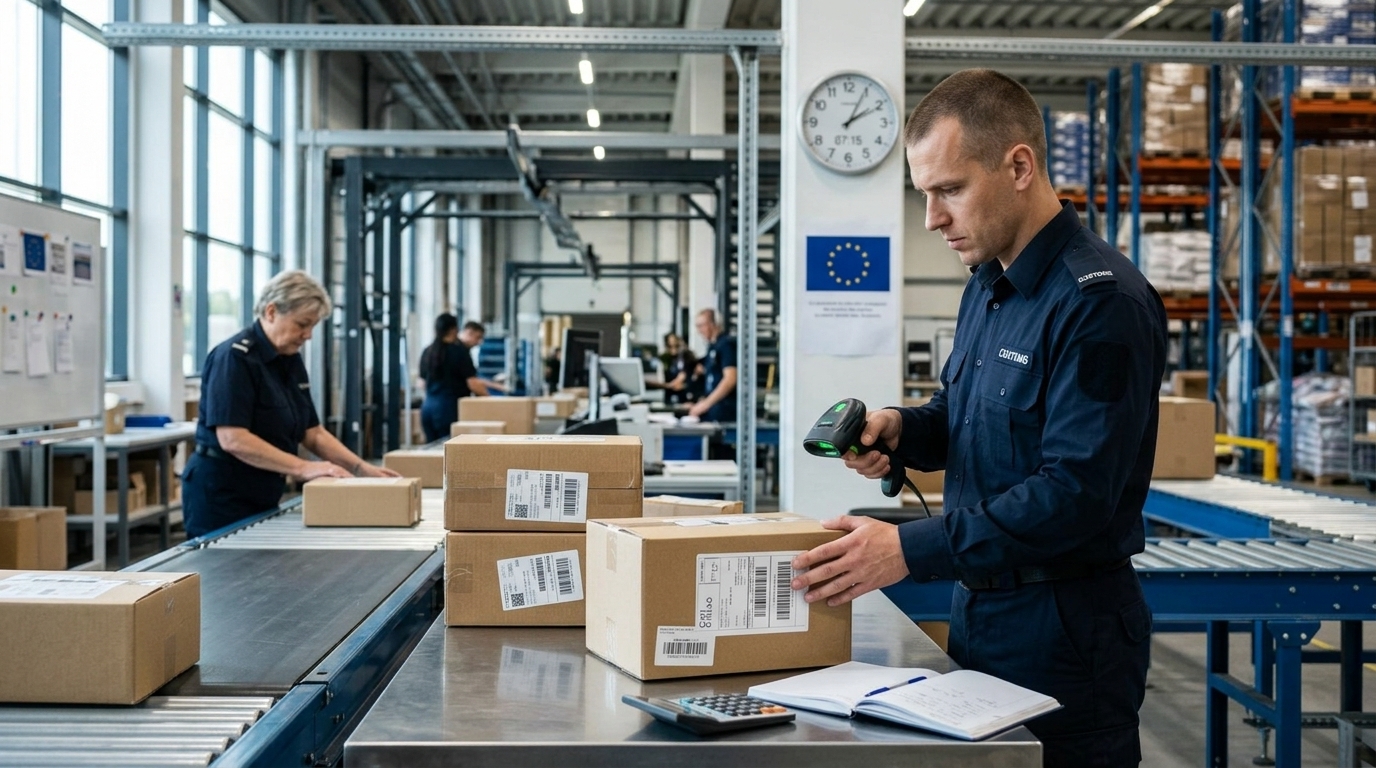
In a move set to fundamentally reshape the shopping habits of millions of Europeans, the European Union is implementing a new customs regime for online purchases from non-EU platforms effective July 1, 2026. The most significant change involves the imposition of a "temporary" duty of 3 euros per item for every product imported from third countries, primarily targeting Chinese giants such as Temu, Shein, and AliExpress.
This decision is not a sudden development but the culmination of a long period of pressure from European trade associations and environmental organizations. Until now, the "de minimis" rule allowed for the duty-free import of parcels valued under 150 euros, a loophole exploited to the fullest by Asian platforms that flooded the European market with millions of small packages daily. The abolition of this threshold and its replacement with a fixed per-item duty marks the beginning of an era of strict protectionism for the European internal market.
The Strategy Behind the 3-Euro Duty
The new regulation aims to address what Brussels calls a "systematic distortion of competition." Chinese platforms, utilizing a direct-to-consumer shipping model from the factory to the customer, managed to bypass traditional intermediaries and the tariff burdens faced by European retailers. The 3-euro duty per item—not per order—hits the heart of this model. If a consumer orders five different low-value items (e.g., phone accessories or household goods), they will be charged an additional 15 euros, often making the purchase economically unviable.
Furthermore, the EU seeks to mitigate the massive environmental footprint caused by the air transport of billions of small parcels. "Fast fashion" and disposable goods that overwhelm European landfills are in the crosshairs of the Green Deal. By increasing costs, Brussels hopes to nudge consumers toward higher quality and more sustainable choices within the Union. This is as much an environmental policy as it is an economic one.
Impact on Consumers and the Local Market
In countries like Greece, where inflation has already squeezed disposable income, this change is expected to provoke significant reactions. For many, Chinese platforms were a lifeline for obtaining basic necessities or clothing at affordable prices. From July 1, the customs clearance process becomes stricter. While many platforms have already integrated into the IOSS (Import One-Stop Shop) system for VAT prepayment, the new duty will require fresh technical adjustments to their payment systems.
Conversely, the European retail sector welcomes the measure. Small and medium-sized enterprises (SMEs), which were unable to compete with prices of 2 or 3 euros for products they had to import with duties and sell with high operational costs, see an opportunity for recovery. "We are not asking for protectionism; we are asking for a level playing field," trade representatives state, noting that unfair competition had driven many local shops to closure. The hope is that this will revitalize local high streets and domestic e-commerce players.
Geopolitical Implications and the Future of E-commerce
This move is not isolated from the broader geopolitical landscape. The EU, following in the footsteps of the United States, is hardening its stance against China's economic dominance. The imposition of tariffs on electric vehicles and now on consumer goods indicates a clear intention to reduce dependence on the Chinese supply chain. Beijing has already expressed its dissatisfaction, citing "discriminatory treatment" that violates World Trade Organization rules.
The remaining question is how the giants themselves will react. There is already a visible trend of Temu and Shein establishing warehouses within the EU (e.g., in Poland or Hungary) so that products are considered "intra-community" when shipped to the final consumer. However, this requires massive investment and alters the DNA of their model, which relied on zero inventory. The battle for the future of global trade has just entered a new, more expensive phase where logistics and regulatory compliance are the new front lines.