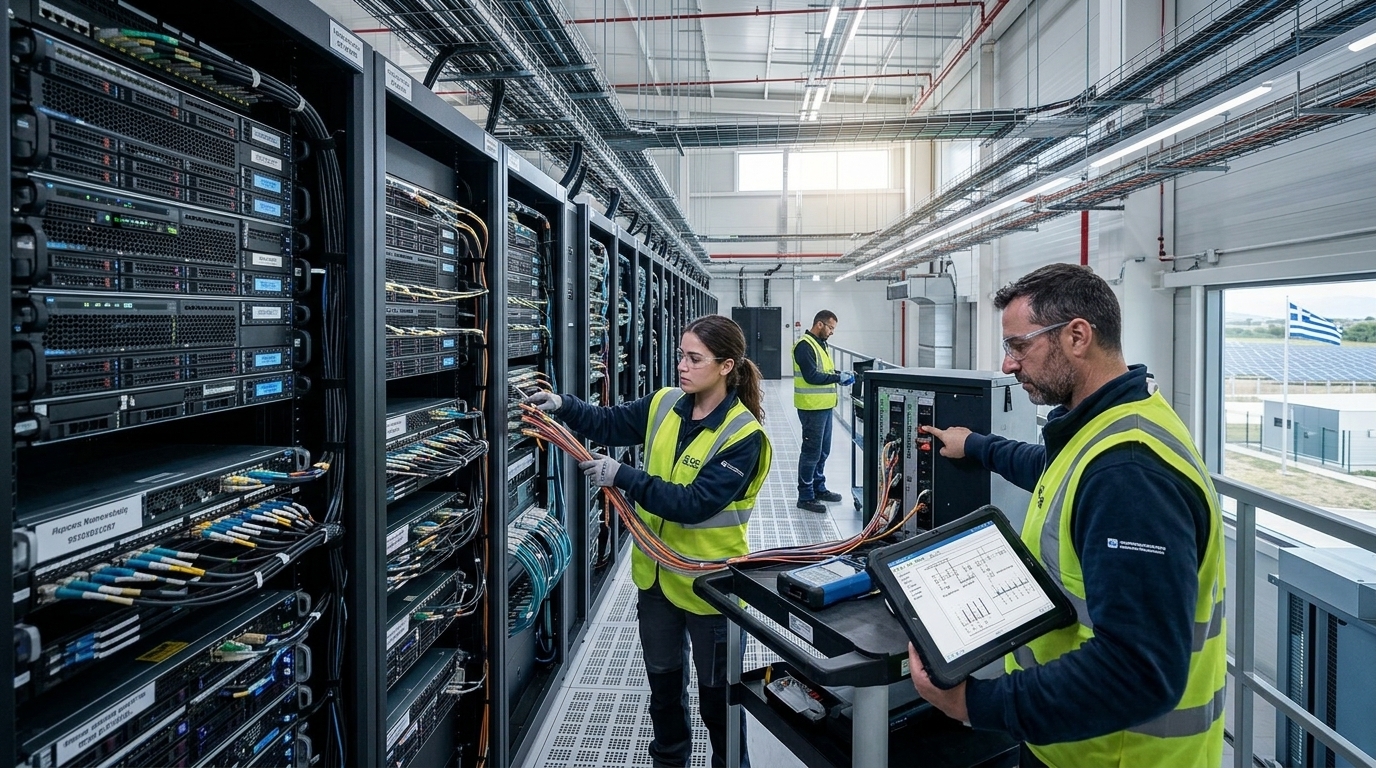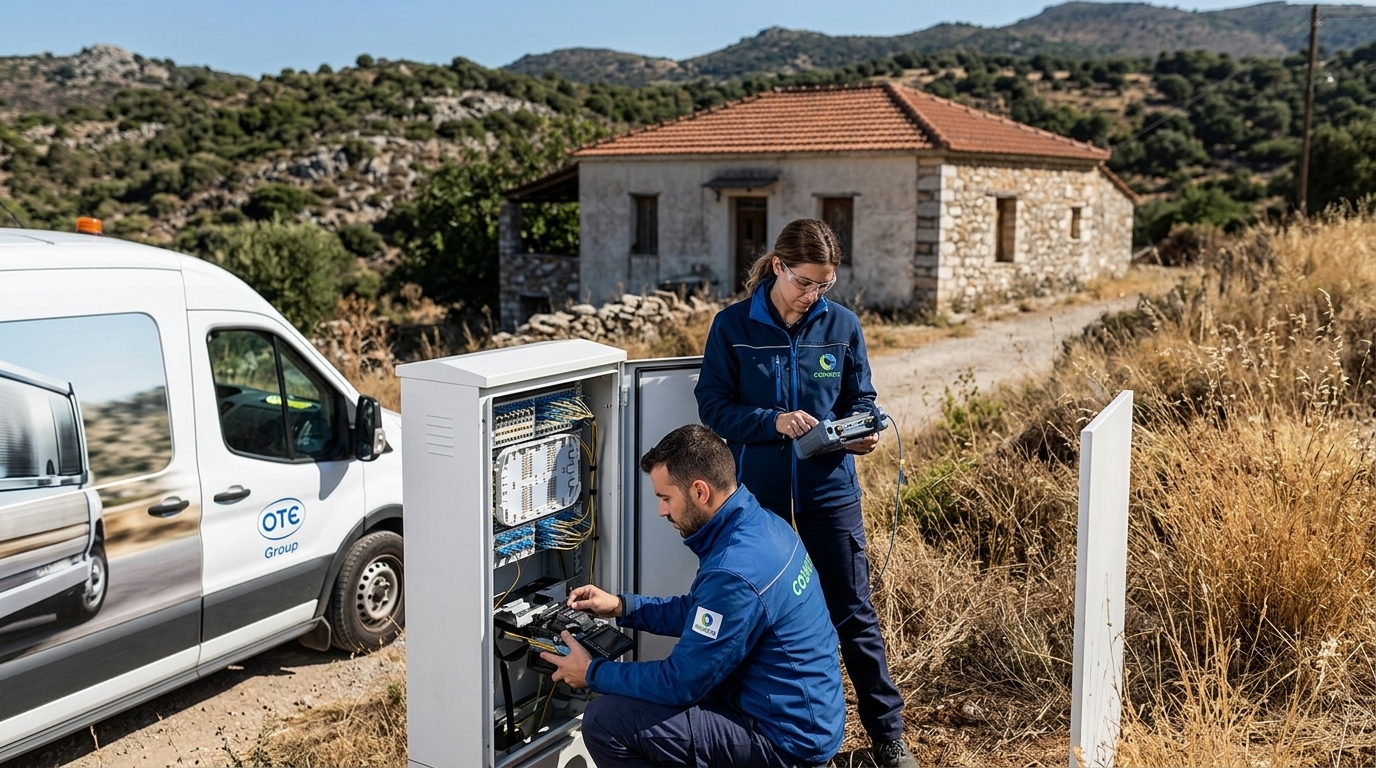
In an era where digital connectivity is considered as essential as electricity and water, strategic investment in Greece's so-called 'white areas' is bearing fruit—not only socially but also economically. OTE Rural South, the subsidiary of the OTE Group tasked with developing broadband infrastructure in remote areas of southern Greece, has presented a picture of robust financial health for the 2025 fiscal year, confirming the viability of Public-Private Partnerships (PPPs) in the telecommunications sector.
The Financial Anatomy of a Success Story
According to recently released data, OTE Rural South managed to increase its turnover while keeping operating expenses under control. The company's profitability remains high, with EBITDA margins reflecting the efficiency of network management. The strong liquidity recorded allows the company not only to service its obligations but also to maintain a significant cash reserve, which acts as a buffer for future investments or infrastructure upgrades.
The Rural Broadband project, divided into three geographical sectors, aimed to bring high-speed internet to settlements that remained in 'digital darkness' due to a lack of commercial interest from providers. OTE Rural South, having undertaken the southern section (including parts of the Peloponnese and the islands), has successfully turned a social necessity into a stable business model. Revenue primarily stems from the wholesale provision of services to other telecommunications providers, who in turn offer retail services to end consumers.
The Strategic Importance of 'White Areas'
'White areas' were for years the major thorn in the side of the country's digital transformation. These are settlements where the cost of network development was disproportionately high compared to expected revenues. State intervention through Information Society S.A. and funding from the NSRF (ESPA) made the project possible. Today, in 2026, we see that these areas are no longer isolated.
- Boosting the local economy through agrotourism and remote work.
- Reducing urban flight, as young people can stay in their hometowns with access to global markets.
- Improving health and education services through telemedicine and e-learning.
"The success of OTE Rural South is not measured solely in euros, but in the ability of a resident in a mountainous village in Laconia to have the same access to information as a resident of central Athens," market sources note.
Challenges and the Future of Infrastructure
Despite financial robustness, the road is not without challenges. Technological obsolescence is the greatest risk in the telecommunications industry. While the VDSL speeds initially offered were sufficient, the demand for Fiber to the Home (FTTH) is growing rapidly. OTE is called upon to balance maintaining existing profitable infrastructure with the need for a gradual upgrade to Ultra-Fast Broadband (UFBB).
Furthermore, competition in the Greek market is intensifying. With PPC (DEI) entering the telecommunications sector and investments from Nova and Vodafone, OTE must ensure that its infrastructure in rural areas remains the preferred choice for the wholesale market. OTE Rural South's strategy seems to be paying off, as network reliability and geographical coverage constitute competitive advantages that are difficult to overturn in the short term.
In conclusion, the case of OTE Rural South serves as a case study for how public investments can mobilize private capital to achieve national goals. The profitability recorded in 2025 is the reward for a long-term strategy that began a decade ago and now forms the backbone of digital Greece in the provinces.