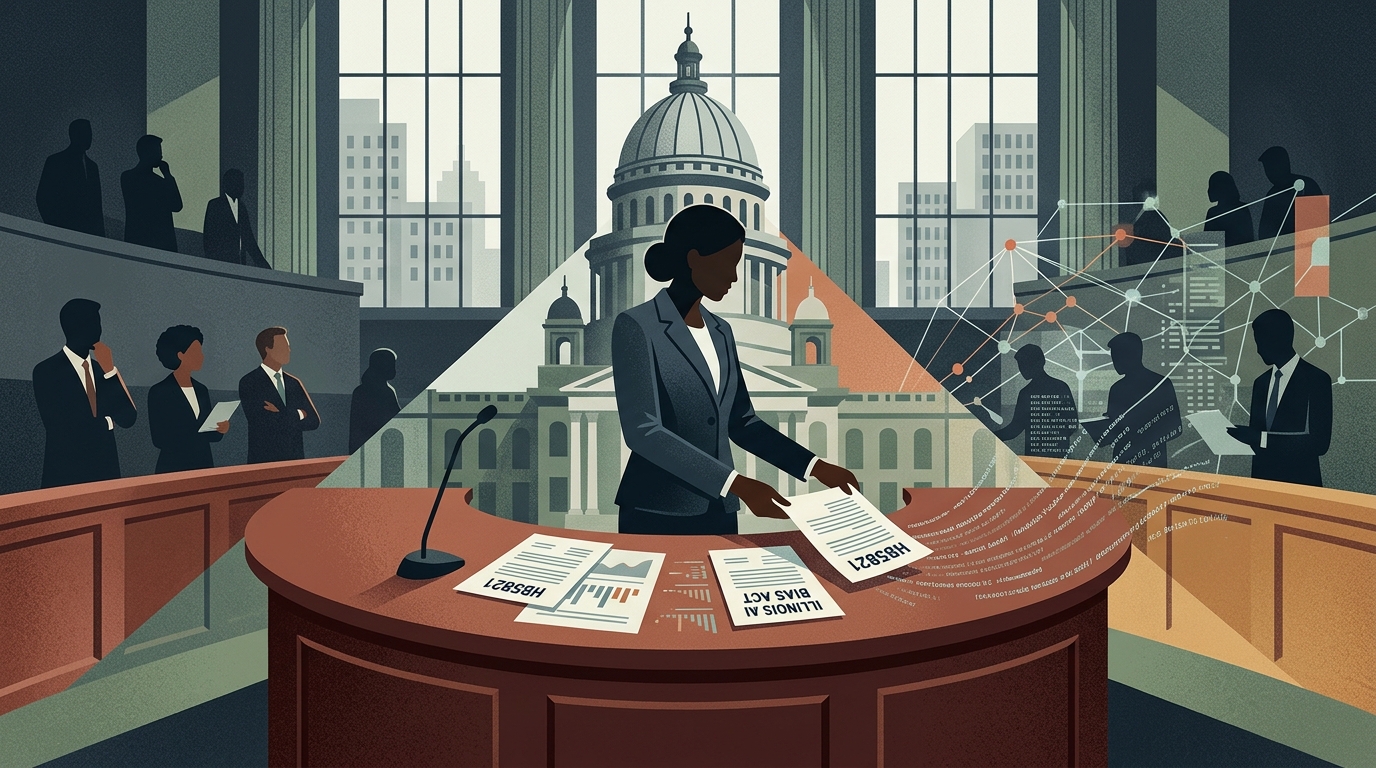
In a move poised to reshape the landscape of digital governance in the United States, Illinois Governor J.B. Pritzker has signed a landmark bill aimed at mitigating the risks associated with Artificial Intelligence (AI). This action is far more than a local legislative measure; it is a clear signal to the tech industry that the era of unchecked algorithmic deployment is coming to a close. Illinois, a state that has historically led the charge in privacy protection through its rigorous Biometric Information Privacy Act (BIPA), is now setting the bar for how democratic societies can shield their citizens from the "invisible" bias of machines.
The Core of the Legislation: Combating Algorithmic Bias
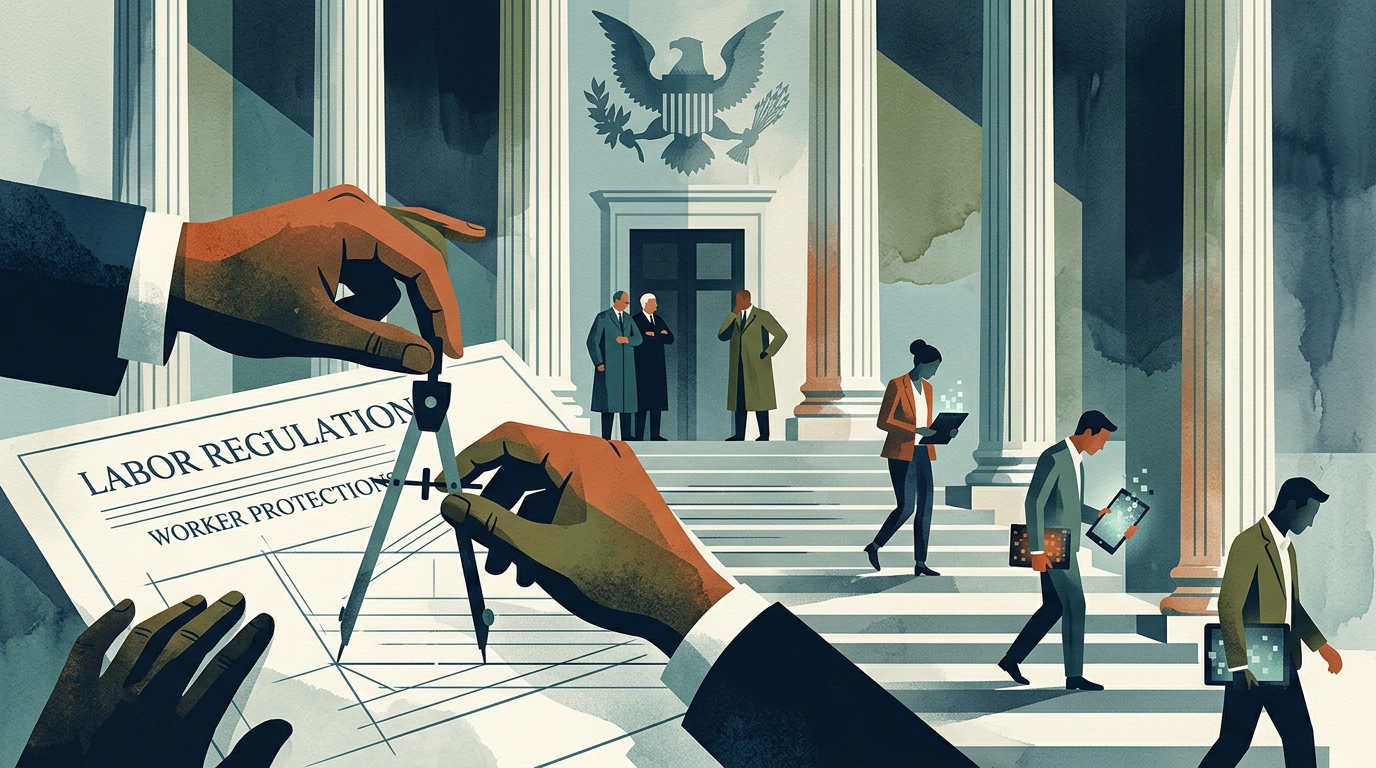
The new legislation focuses on one of the most critical and often overlooked dangers of AI: the embedding of prejudice within decision-making systems. Whether in hiring practices, loan approvals, or housing applications, algorithms have repeatedly been shown to be prone to replicating and even amplifying societal inequalities. The Illinois law now mandates that companies perform regular audits of their systems to ensure they do not discriminate based on race, gender, age, or other protected characteristics.
Furthermore, the bill introduces the concept of "algorithmic transparency." Citizens now have a legal right to know when a decision affecting them has been made or influenced by an AI system. This requirement for disclosure is vital, as the lack of information has historically prevented individuals from challenging unfair or erroneous decisions. Legal analysts note that Illinois is not attempting to stifle innovation but rather to make it responsible and accountable to human standards.
Political and Social Stakes
Pritzker’s signing of this bill comes at a time of intense debate at the federal level in the U.S. With Congress moving slowly to adopt a national AI framework, individual states are taking the lead. Illinois follows in the footsteps of Colorado and California but introduces a more rigorous framework centered on human rights. Proponents of the legislation, including civil rights organizations, have hailed the decision as a victory for social justice over technological opacity.
"We cannot allow code to replace the Constitution. Technology must serve our values, not undermine them," remarked one of the bill's sponsors during the signing ceremony.
Conversely, the tech industry has expressed concerns regarding compliance costs and potential market fragmentation. If every state enacts its own set of rules, companies could face a labyrinth of regulations that might slow down the development of new tools. However, the Illinois administration argues that consumer trust is the indispensable prerequisite for the long-term success and adoption of AI technologies.
A New Era of Accountability
The legislation is not limited to tech giants; it extends its reach into the public sector as well. State agencies utilizing AI tools for social services must also comply with these new standards. This is particularly significant as algorithms used in public administration often have a direct impact on the most vulnerable segments of the population. The provision for an oversight committee to monitor the law’s implementation and suggest adjustments indicates that the state views this as a dynamic and evolving challenge.
- Mandatory user notification regarding the use of AI.
- Requirement for Algorithmic Impact Assessments.
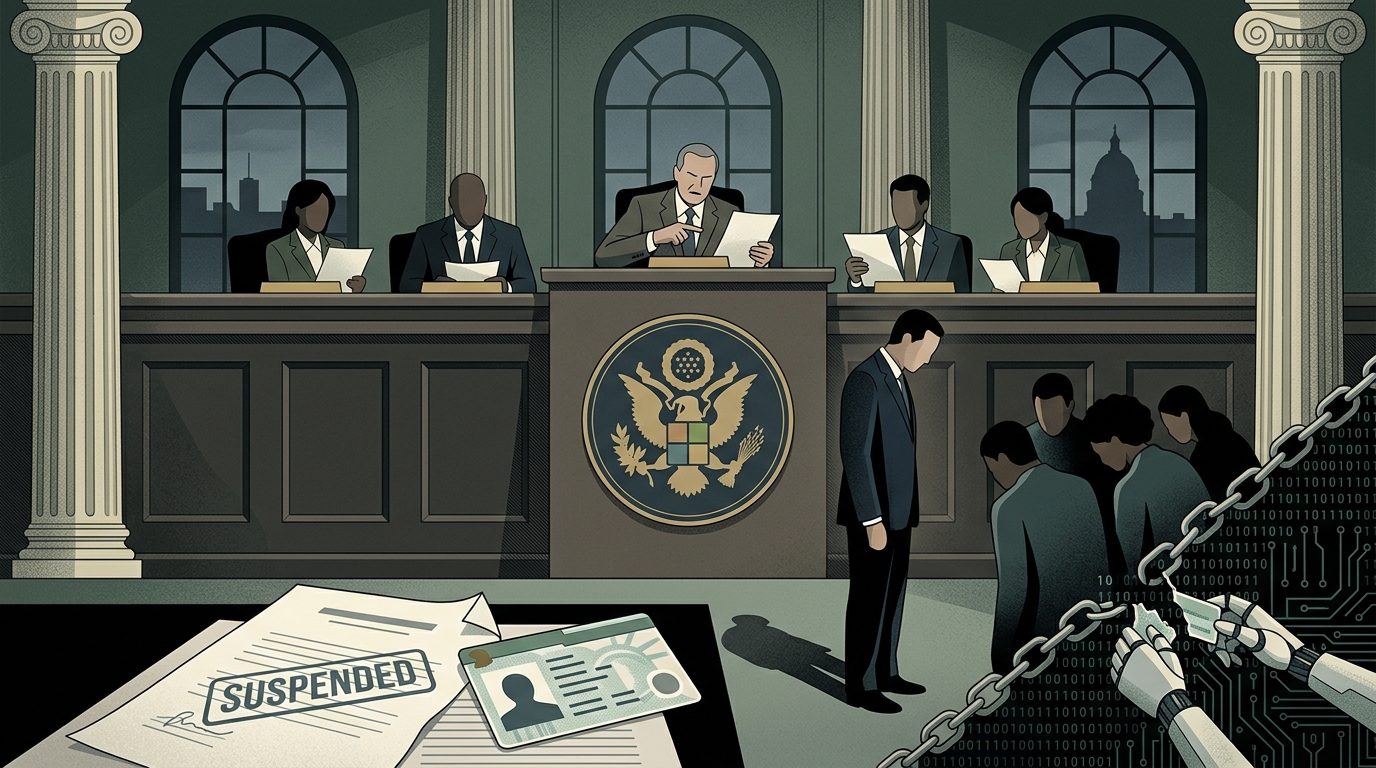
- Strict penalties for cases of proven algorithmic discrimination.
- Protection of employees from arbitrary AI-driven surveillance.
In conclusion, the move by Illinois represents a significant milestone. In a world where AI is permeating every aspect of daily life, the need for an ethical and legal framework is imperative. Governor Pritzker has chosen to position his state on the right side of history, recognizing that progress without justice is hollow. The remaining question is if and when other states—and more importantly, the federal government—will follow this lead to create a unified front for protecting human digital rights.