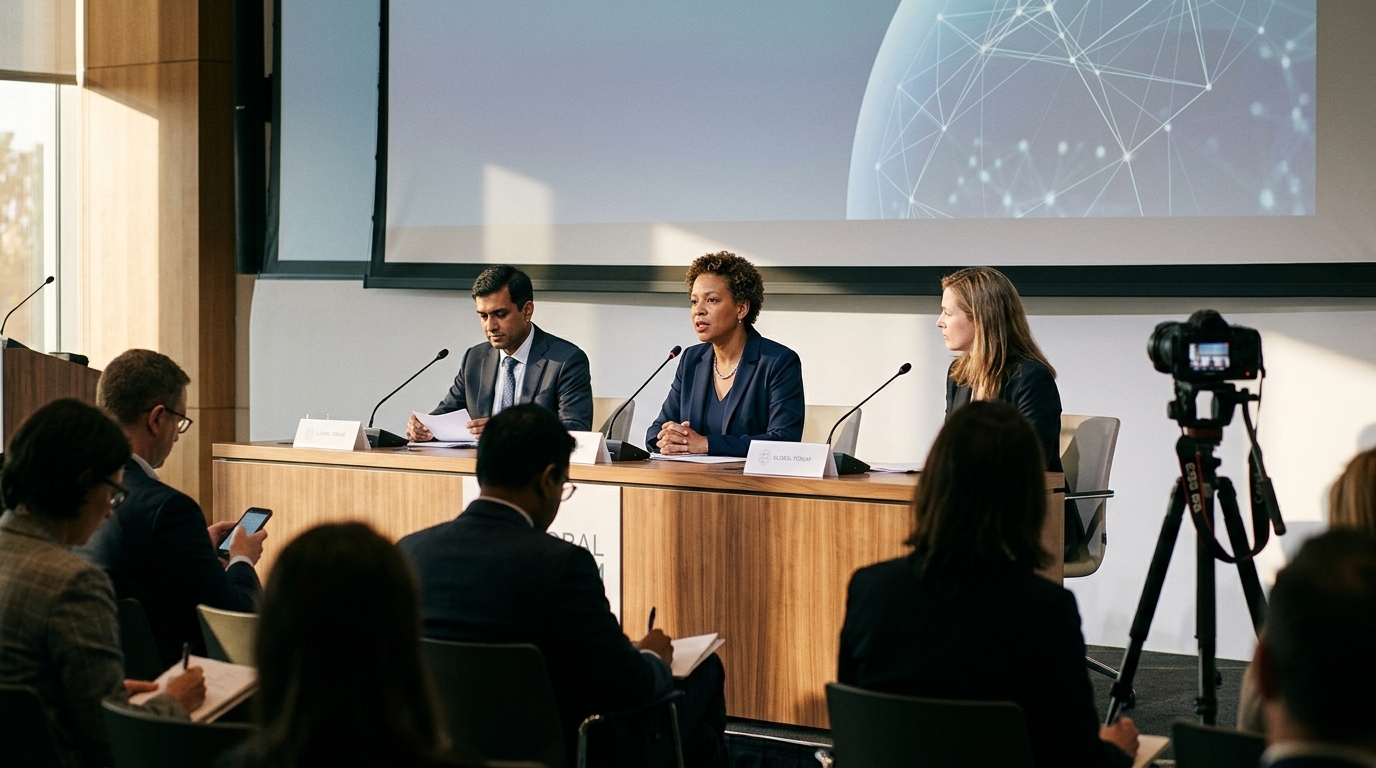
During Singapore IP Week 2026, Kent Walker, President of Global Affairs for Google and Alphabet, delivered a keynote address at the Global Forum on Intellectual Property. His remarks focused on the rapid evolution of AI and the critical necessity of balancing technological advancement with the safeguarding of creators' rights.
Efficiency and Economic Impact
Walker highlighted that current AI models are 300 times more efficient than those from just two years ago. This efficiency is translating into significant adoption, particularly in the Asia-Pacific region. In Singapore, 29% of AI users are classified as "super users" who automate complex daily routines. Citing data from Oxford Economics, Walker noted that AI could contribute up to $6 trillion to global GDP over the next 10 years.
The Evolving IP Landscape
The surge in AI has led to a dramatic increase in patent applications. According to the World Intellectual Property Organization, more patents were published in 2024 and 2025 than in the preceding decade combined. Walker suggested that as generative AI makes it easier to write applications, patent offices may need to use AI tools themselves to analyze and deconstruct these claims.
Copyright and Training
Regarding copyright, Walker argued that the focus should remain on outputs rather than inputs. He characterized AI training as an analytical process of recognizing patterns, similar to how a student learns from books in a library. To address concerns, Google has implemented several measures:
- Technical Safeguards: Using filters to prevent AI models from replicating training data and deploying tools like SynthID for watermarking.
- User Control: Offering opt-out protocols such as Google-Extended and updated Search Console controls for publishers.
- Legislative Support: Endorsing US bills like the NO FAKES Act and the TAKE IT DOWN Act to combat deceptive digital replicas.