The political landscape of California, the world's fifth-largest economy, is reeling from revelations regarding a federal investigation into Governor Gavin Newsom and his wife, Jennifer Siebel Newsom. At the heart of the matter, as reported by the Wall Street Journal, lies the practice of "behested payments"—a legal but highly controversial funding method that allows corporations to donate unlimited sums to charities at the request of a politician.
The Anatomy of "Behested Payments"
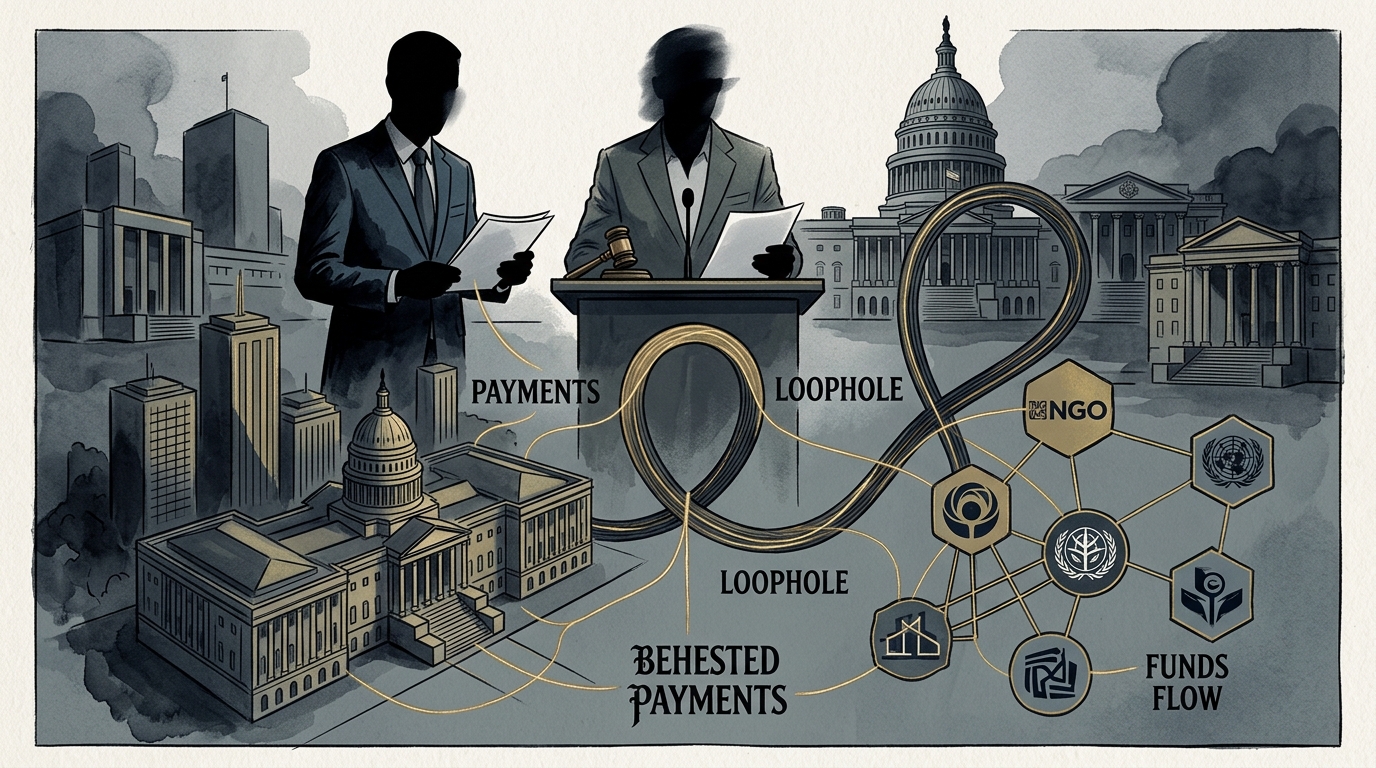
Unlike direct campaign contributions, which are subject to strict limits and oversight, behested payments operate in a legal gray area. In California, an elected official can request that a company or individual financially support a non-profit organization for "religious, charitable, or scientific purposes." While these payments must be disclosed, there is no ceiling on the amount that can be transferred. This creates a loophole through which corporate giants can gain access and influence within the executive branch while bypassing campaign finance restrictions.
The investigation focuses on how companies with direct interests in California government decisions—such as PG&E, Comcast, and Kaiser Permanente—have funneled millions of dollars into organizations linked to the Newsom family. The question federal investigators are seeking to answer is whether these donations constituted a form of "quid pro quo" for favorable legislative treatment or administrative decisions. For instance, PG&E's donations came at a time when the utility was seeking state assistance and regulatory leniency following catastrophic wildfires caused by its equipment.
The Role of Jennifer Siebel Newsom and the NGO Web
Particular scrutiny is being applied to the activities of the First Partner of California. Jennifer Siebel Newsom founded "The Representation Project," a non-profit focused on fighting gender stereotypes through documentary filmmaking. Data shows the organization received significant donations from state-regulated companies at the same time Ms. Newsom was receiving a substantial salary as CEO, which in some years exceeded $150,000.
Furthermore, the "California Partners Project," another organization she co-founded, has reportedly benefited from similar practices. Critics argue that this structure allows the Governor's family to maintain a high-profile lifestyle while building a network of political influence disguised as philanthropy. Newsom's defense, however, maintains that all donations were made for the public good and that the state's transparency rules were followed to the letter. They argue that the First Partner's work is vital for social progress and that the funding is independent of the Governor's official duties.
Political Implications and the Road to 2028
The timing of this investigation is critical. Gavin Newsom has long been considered a frontrunner for the Democratic nomination in the 2028 presidential election. His involvement in a federal probe regarding corruption or undue influence could prove fatal to his national ambitions. Republican opponents have already begun using the case as evidence of a "corrupt elite" governing Sacramento, while even within the Democratic Party, there are whispers of concern regarding the potential damage to the party's brand.
"The issue isn't just whether a law was broken, but whether the spirit of public service has been traded for a sophisticated system of legalized influence peddling," says a veteran political analyst.
As the investigation unfolds, several key areas remain under the microscope:
- The correlation between specific legislative wins for donors and the timing of their "behested" contributions.
- The internal communications between the Governor's office and corporate lobbyists regarding these payments.
- The actual impact and operational transparency of the NGOs receiving the funds.
In an era where public trust in institutions is at an all-time low, the Newsom case highlights the urgent need for a radical overhaul of political finance rules. Even if no criminal charges are filed, the ethical dimension of using charitable organizations as vehicles for political leverage remains a significant concern for the democratic process. California, often touted as a model of progressive governance, must now prove that its rules apply to everyone, regardless of their political stature or national profile.